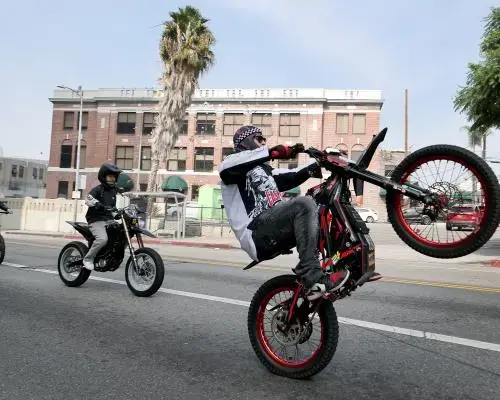
Rising Tide of E‑Bike Stunts
A wave of teenage riders on electric bicycles has erupted across U. S. cities, drawing attention from law‑enforcement and media alike. In recent weeks, videos of youths performing wheelies, racing on sidewalks, and darting through traffic have gone viral, prompting officials to question whether existing rules can keep pace with the trend.
Latest news
 Swedish Voters Choose New Parliament as Left-Wing Coalition Projects to Win Majority
 Trump Announces End of US Tariff on Irish Whisky
 Frances Stonor Saunders, Author of CIA Cultural Espionage Exposé, Dies at 66
 Israel and Lebanon to Hold Security Talks in Rome This October
Experts argue that the surge in inexpensive, high‑speed e‑bikes outpaces current safety standards, creating a gray area for riders and regulators. The Los Angeles Times recently likened the group to a „new generation of Hells Angels,” a label many say fuels sensationalism rather than constructive policy. Researchers point to a lack of uniform classification, inconsistent helmet laws, and insufficient rider education as core issues.
Cities such as Los Angeles, Austin, and Denver report a spike in e‑bike related incidents. Police departments note that many calls involve teenagers riding without helmets, weaving between cars, or using bike lanes for reckless tricks. „We’re seeing a pattern of risky behavior that mirrors traditional scooter problems, but at higher speeds,” said Officer Maya Patel of the LA Police Department. Data from the National Highway Traffic Safety Administration shows a 30 % increase in e‑bike injuries among riders aged 12‑18 over the past two years. Manufacturers have responded by adding speed limiters, yet many models still exceed 25 mph, blurring the line between bicycles and motorized vehicles.
Are Teens Turning E‑Bikes Into a Public Safety Threat?
Critics worry that the combination of youthful exuberance and powerful electric motors creates a volatile mix on crowded streets. Parents report that their children are drawn to the thrill of „going fast” without fully understanding the risks. „My son thought it was just a bike, but the acceleration is like a motorcycle,” said Laura Gomez, a mother from Phoenix. Legislators in several states are drafting stricter licensing requirements, proposing age caps, and mandating mandatory safety courses. However, industry groups caution that over‑regulation could stifle the environmental benefits of e‑bikes, which encourage reduced car use and lower emissions.
The debate is likely to shape future transportation policy. If cities adopt clearer rules and invest in rider education, the perceived menace could subside, allowing e‑bikes to fulfill their promise of sustainable mobility. Conversely, continued lax oversight may lead to more accidents, public backlash, and possible bans on certain high‑speed models. Stakeholders agree that balanced solutions are essential to protect both public safety and the growing demand for electric micro‑mobility.
Frequently Asked Questions
What age groups are most affected by e‑bike safety concerns? Most reported incidents involve riders between 12 and 18 years old, a demographic attracted by the speed and novelty of electric bikes.
Do current laws classify e‑bikes as bicycles or motorcycles? Regulations vary by state; some treat e‑bikes under bicycle statutes, while others apply motor vehicle rules, creating enforcement challenges.
How can parents ensure their teens ride safely? Parents should verify that the e‑bike complies with local speed limits, enforce helmet use, and consider enrolling their children in a certified safety course.