Partisan Divide Hinders Progress
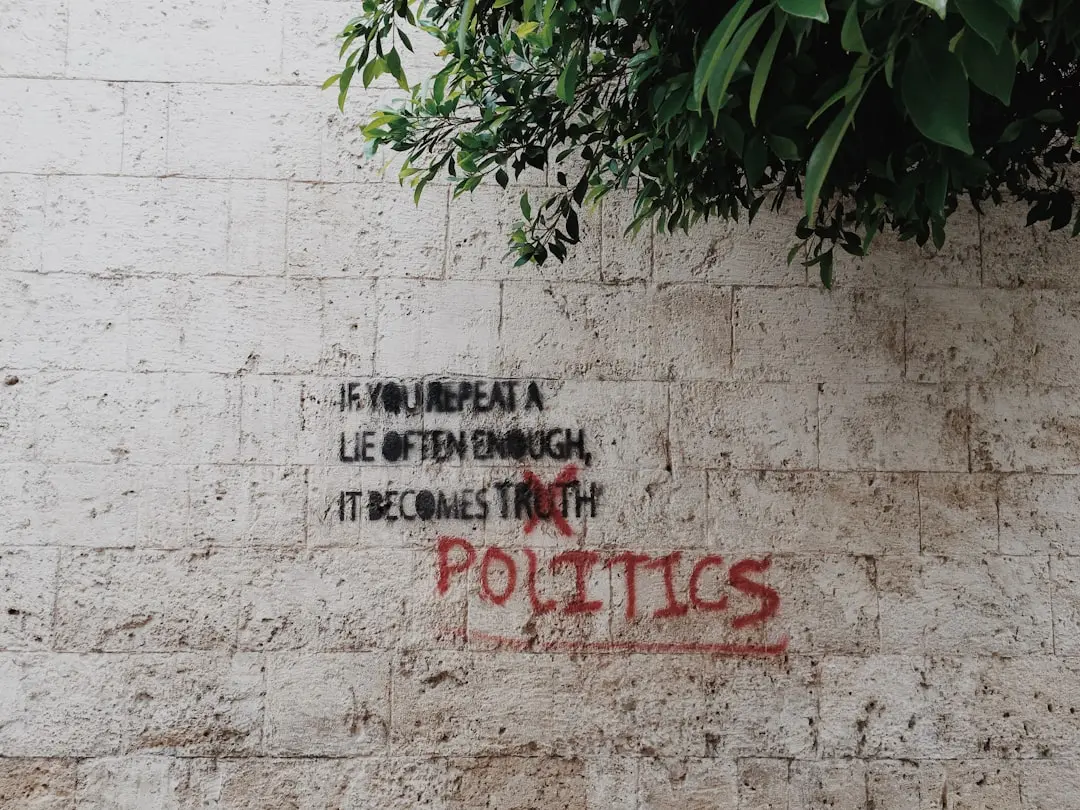
Washington, D. C. – A proposed safety bill aimed at regulating artificial intelligence has stalled in Congress, with President Donald Trump opposing the measure and lawmakers split along party lines. The legislation, introduced earlier this year, seeks to establish standards for AI development and deployment, but bipartisan support appears unlikely.
Latest news
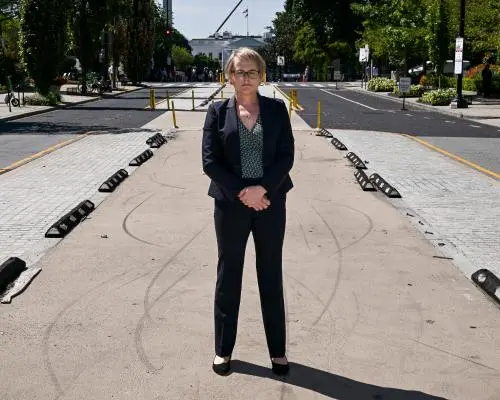 Former CIA Analyst Speaks Out After Being Fired by the Trump Administration
 Women’s Rights Activists Rally in Paris Over Sexual Violence Legislation
 Audit Reveals Critical Flaws in Middle East Medevac Plans
 EU MEP Warns of AI Risks and Calls for Global Treaty Leadership
The bill was drafted in response to growing concerns about AI’s impact on privacy, security, and employment. Supporters argue that clear rules would prevent misuse of autonomous systems and protect consumers. Opponents, however, claim the proposal could stifle innovation and place undue burdens on technology companies. President Trump has publicly criticized the bill, labeling it unnecessary and potentially harmful to American competitiveness.
The legislative roadblock stems from a stark partisan split. Republican senators largely reject the bill, citing fears of overregulation, while a minority of Democrats see it as a necessary safeguard. The president’s opposition further weakens the bill’s prospects, as executive support often signals congressional momentum. Without a unified front, the proposal faces an uncertain future in the Senate and House.
Will the AI Safety Bill Pass?
The question remains whether the bill can overcome its political obstacles. Key hurdles include securing bipartisan sponsorship and addressing concerns about enforcement mechanisms. If the bill fails, the tech industry may continue to operate without federal oversight, potentially increasing risks associated with unregulated AI systems. Conversely, passage could set a precedent for future technology regulation, influencing global standards.
The outcome will shape the U. S. approach to AI governance. A successful bill could provide clearer guidelines for developers and users, while a defeat may prompt states or private entities to step in. The debate highlights the tension between innovation and regulation, a balance that lawmakers will need to navigate carefully.
Frequently Asked Questions
What is the main goal of the AI safety bill? The bill aims to create federal standards for AI development, ensuring systems are safe, transparent, and respect privacy rights.
Why has President Trump opposed the legislation? He argues that the bill could hinder American technological leadership and impose unnecessary restrictions on businesses.
What could happen if the bill does not pass? Without federal regulation, AI companies may continue to operate under a patchwork of state laws and industry guidelines, potentially increasing risks for consumers and workers.