Diplomatic Pressure and Legal Demands
US Ambassador to Israel Mike Huckabee labeled the violent assault on Washington Post photographer Heidi Levine as a despicable act of terror. The attack occurred in the occupied West Bank region. Huckabee demanded immediate legal action against the perpetrators. He called for their arrest and full prosecution. This incident highlights the rising danger facing press workers in the area.
Latest news
 The Kingmakers of Israeli Politics
 Spain's pension system faces growing financial pressure despite not being bankrupt
 Israeli blockade prevents access to vital care for Gaza's amputees
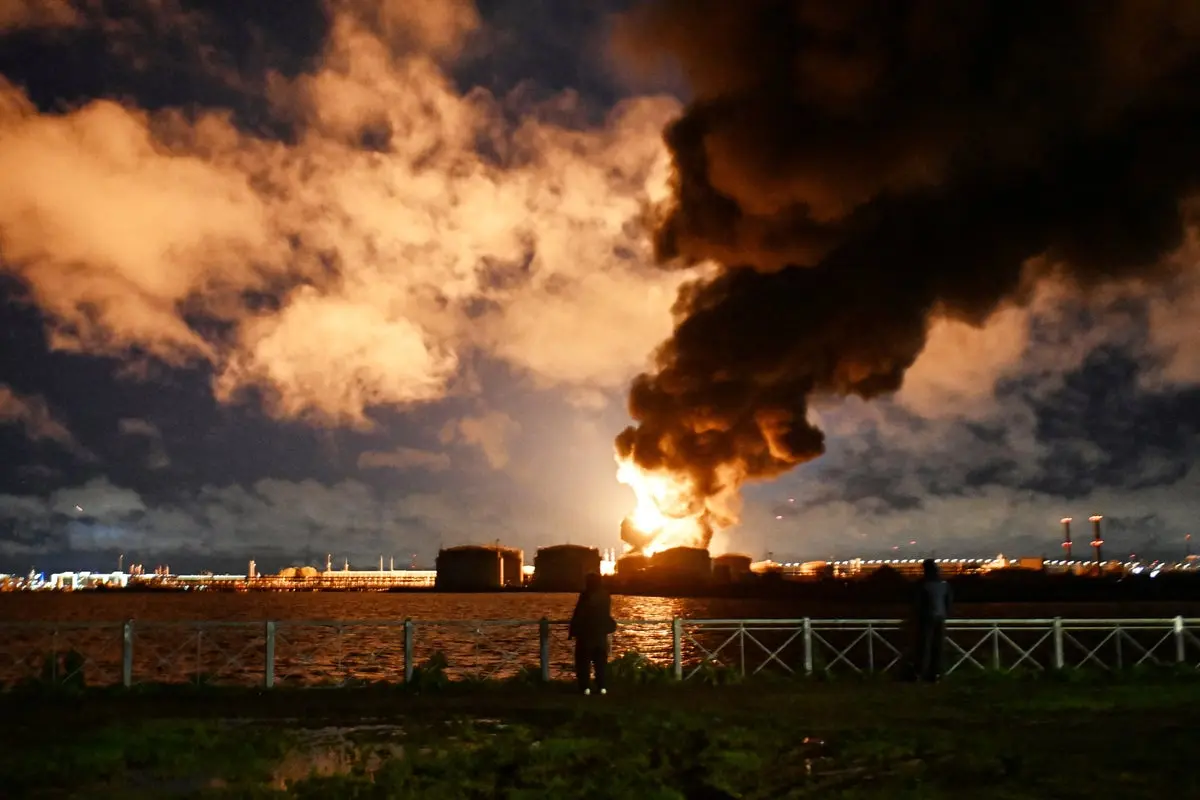 Ukraine Launches Massive Drone Assault on Russia, Incendiary Attacks Ignite Petrochemical Sites
Levine, a 63-year-old award-winning photojournalist, resides in Israel. She was severely beaten by settlers last Friday. The violence required her to undergo surgery. Her injuries were significant enough to draw high-level diplomatic attention. The ambassador’s statement underscores the gravity of the situation. He emphasized that such violence cannot be tolerated. The incident has sparked broader discussions about journalist safety.
Ambassador Huckabee’s reaction was swift and unambiguous. He did not use diplomatic euphemisms. Instead, he directly identified the violence as terrorism. This framing aims to isolate the attackers legally and morally. The call for prosecution suggests a push for accountability. It signals that the US government is monitoring these events closely. The ambassador’s comments reflect a broader concern for rule of law. They also highlight the specific risks journalists face in conflict zones. The diplomatic response seeks to deter future incidents.
Why Does This Incident Matter for Press Freedom?
Levine’s status as an American citizen adds another layer of complexity. Her nationality makes the incident a bilateral issue. The US government has an inherent interest in protecting its citizens. This protection extends to those working in the region. The attack challenges the safety of foreign media personnel. It raises questions about the ability of local authorities to prevent such acts. The severity of her injuries underscores the physical danger involved.
The assault on Levine is not an isolated event. It fits a pattern of violence against reporters. Journalists in the West Bank often face harassment. Physical attacks have become more frequent in recent years. This trend threatens the ability to document events on the ground. Independent media plays a crucial role in conflict reporting. Without safe access, the public receives less information. The incident serves as a stark warning to other press professionals. It highlights the precarious nature of their work.
The diplomatic response aims to shift the narrative. By calling it terrorism, the US elevates the severity. This may influence how other nations view the situation. It could lead to increased scrutiny of settler activities. The focus on legal prosecution is a key demand. It moves the issue from political debate to judicial process. This approach seeks concrete outcomes rather than symbolic gestures.
Frequently Asked Questions
The outlook remains uncertain. While diplomatic pressure is strong, implementation is complex. Legal processes in the region are often slow. Ensuring accountability requires sustained effort. The safety of journalists depends on these efforts. The international community is watching closely. Future incidents may trigger stronger reactions. The incident with Heidi Levine will likely be a reference point. It stands as a test for the commitment to press freedom.
Who is Heidi Levine? Heidi Levine is a 63-year-old American photojournalist for the Washington Post. She is an award-winning journalist who currently lives in Israel.
What did the US ambassador demand? Mike Huckabee called for the arrest and prosecution of those responsible. He described the attack as a despicable act of terror.