
He avoided grand international pronouncements
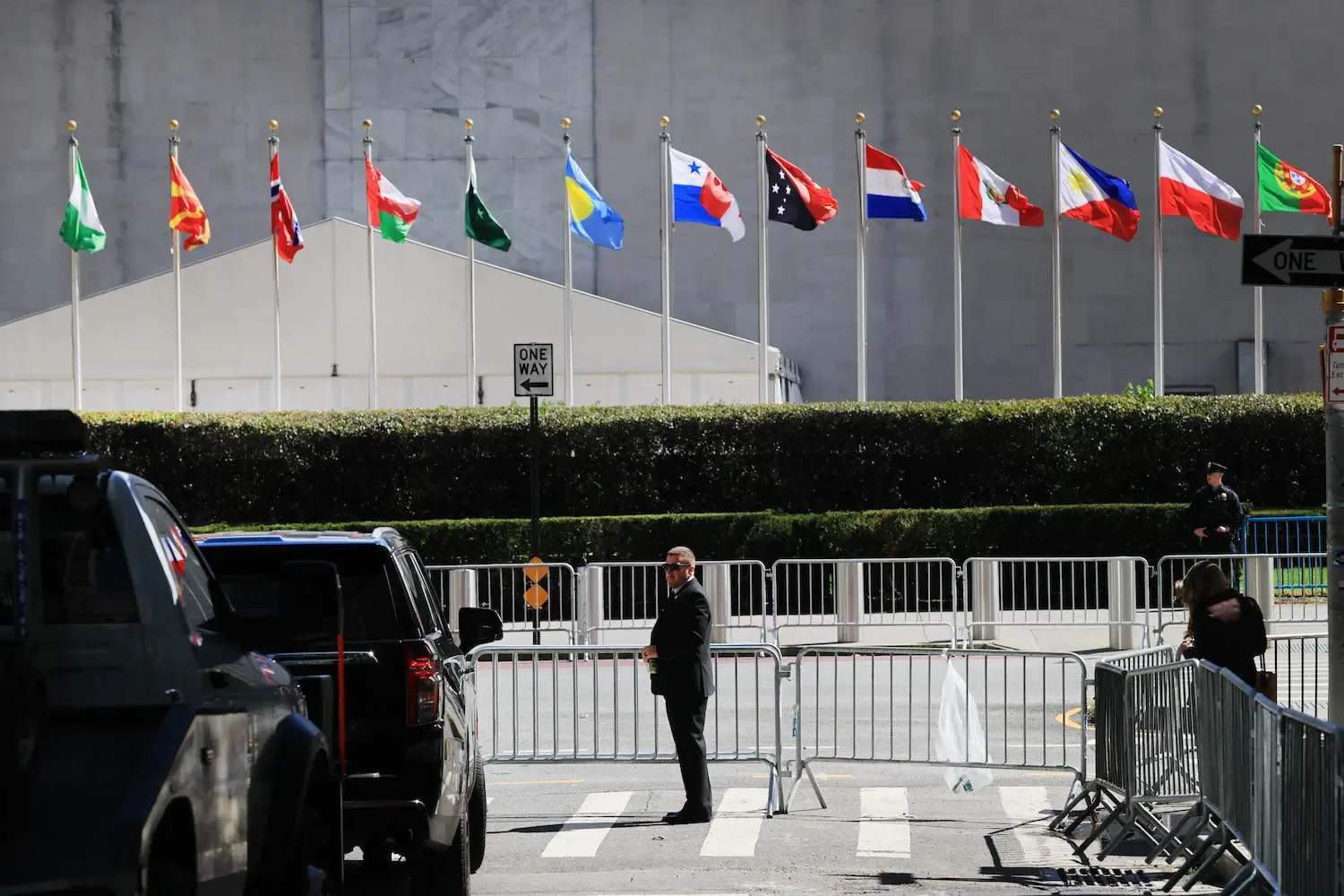
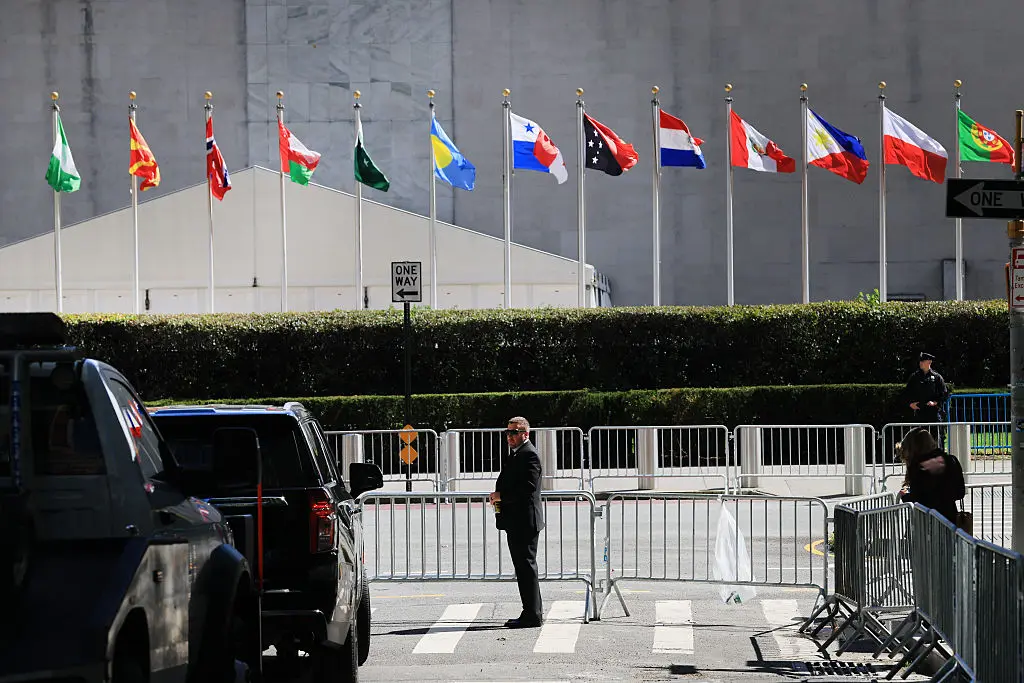
Andy Burnham arrived in New York for the United Nations General Assembly, marking his first major international appearance as Britain’s new leader. His presence surprised senior Whitehall officials who had doubted his attendance until the prime minister confirmed it personally. Unlike his predecessor Keir Starmer, known for frequent overseas travel, Burnham positioned himself as a grounded figure committed to local issues. His decision to attend the UN gathering signals a shift in tone, emphasizing engagement with global forums while maintaining a clear focus on Britain’s internal challenges. Observers noted that Burnham’s approach contrasts sharply with the more cosmopolitan style of previous leaders, reflecting a deliberate effort to reconnect with everyday citizens across the country. A Leader Rooted in Local Concerns Burnham used his platform at the Assembly to highlight priorities such as public service reform, regional inequality, and healthcare access—issues central to his political identity.
Latest news
 Global Diplomacy Prepares for the 2026 UN Leadership Transition
 Donald Trump Proposes Long-Term Security Oversight for Greenland
 Tensions Escalate Between Washington and Tehran During UN General Assembly
 Stock Market Futures Hold Steady Following Strong Monday Rally
He avoided grand international pronouncements, instead framing Britain’s role in multilateral institutions through the lens of domestic improvement. Delegates remarked on his understated demeanor and reluctance to seek the spotlight, traits that have become hallmarks of his early leadership. Sources close to the delegation said Burnham spent much of his time in bilateral talks focused on practical cooperation rather than ceremonial diplomacy. His schedule included meetings with officials from countries facing similar urban deprivation and industrial transition challenges, suggesting a preference for substance over symbolism. How Does This Approach Differ from Past Leadership? Where Keir Starmer cultivated an image of constant global engagement—earning him the nickname „never here Keir”—Burnham has made a point of limiting long-haul travel unless directly tied to tangible outcomes for British communities. His team insists this is not isolationism but a recalibration: engaging internationally only when it serves clear public interest at home.
Analysts suggest this strategy may resonate with voters weary of perceived
Analysts suggest this strategy may resonate with voters weary of perceived elitism in foreign policy, though critics warn it could diminish Britain’s influence in shaping global norms. Burnham’s advisers counter that credibility abroad begins with competence at home, a principle guiding his early tenure. Frequently Asked Questions Why did Andy Burnham choose to attend the UN General Assembly despite his focus on domestic issues? He attended to affirm Britain’s commitment to multilateralism while using the platform to draw attention to internal priorities like inequality and public service reform, aligning international engagement with national goals. How does Burnham’s international style compare to Keir Starmer’s? Burnham avoids frequent travel and high-profile global statements, contrasting with Starmer’s extensive overseas engagements, which earned him a reputation for being rarely present in Britain. What impact might this approach have on Britain’s role in global affairs?
It may strengthen domestic legitimacy and foster partnerships based on shared socioeconomic challenges, though some fear it could reduce the UK’s proactive voice in shaping international policy.