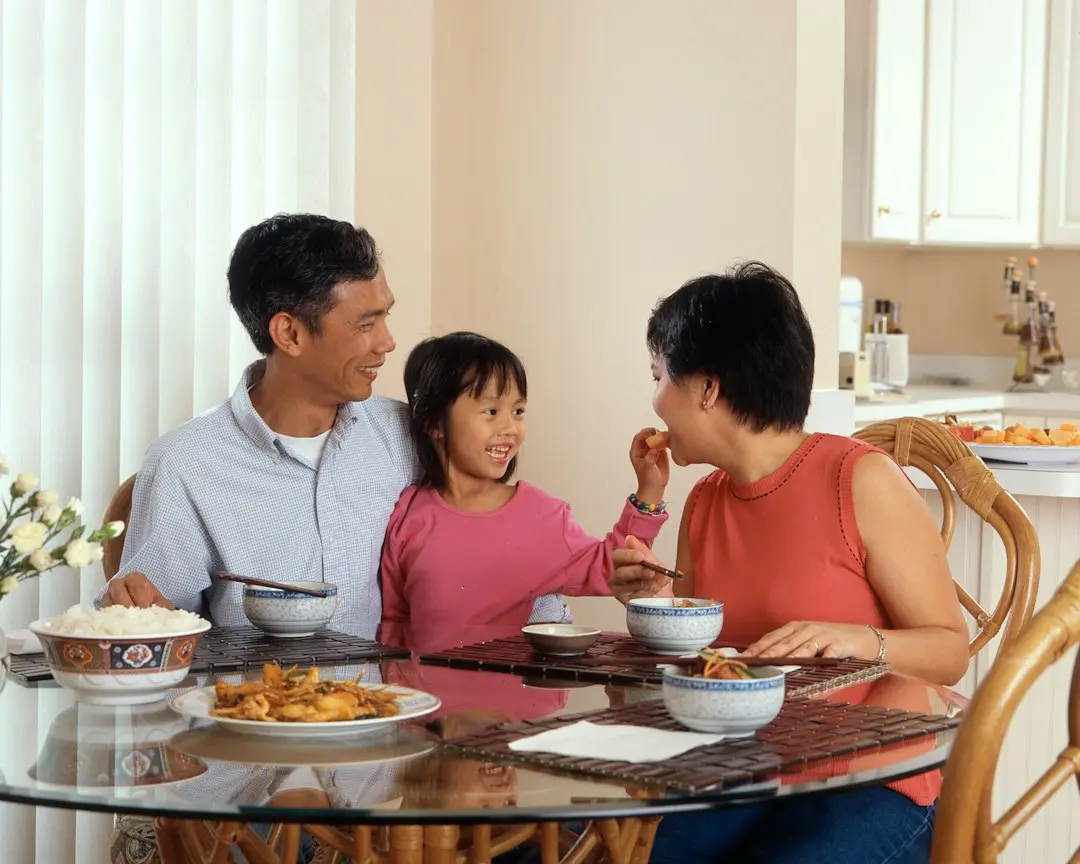
How Government Health Spending Could Shift Consumer Behavior
BEIJING — People in China are allocating a significant portion of their disposable income to healthcare expenses, with rural residents spending 8.7% on medical care, according to the International Monetary Fund. This places China second only to the United States among 20 major economies in healthcare spending relative to income. The IMF highlighted this trend in its recent publication, „Toward a New Economic Growth Model for China,”noting that high medical costs are discouraging consumer spending and encouraging precautionary savings.
Latest news
 US Steel Prices Surge to Four‑Year Peak Amid Trump Tariffs
 Wall Street's AI spending spree faces growing skepticism
 Geothermal Energy Gains Rare Bipartisan Support Amid AI-Driven Power Surge
 AI Sovereignty: Europe’s Bid to Catch Up with U.S. and China
The financial burden of healthcare is influencing household behavior across both urban and rural areas, as families set aside funds to cover potential medical emergencies. This pattern reflects broader concerns about the adequacy of public health coverage and the rising cost of treatment, particularly for chronic conditions and aging populations. The IMF argues that without systemic reforms, out-of-pocket expenses will continue to suppress domestic consumption, which is vital for rebalancing China’s economy toward demand-driven growth.
What Role Does Preventive Care Play in Reducing Long-Term Costs?
Increased public investment in healthcare could reduce the need for individuals to save aggressively for medical costs, thereby freeing up income for other forms of spending. The IMF suggests that expanding access to affordable care and strengthening social safety nets would not only improve health outcomes but also stimulate economic activity by boosting consumer confidence. Such measures could help address the imbalance between savings and consumption that has characterized China’s growth model for years.
Investing in preventive care and early intervention could lower the incidence of expensive treatments later, reducing long-term financial pressure on households. By focusing on wellness programs, regular screenings, and primary care access, the government might mitigate the need for costly hospitalizations. This approach aligns with global best practices and could yield both health and economic dividends over time.
Why are Chinese households spending so much on healthcare? High out-of-pocket costs due to gaps in public insurance coverage drive families to allocate a large share of income to medical expenses, especially in rural areas where access to affordable care remains limited.
Frequently Asked Questions
How does China’s healthcare spending compare to other countries? At 8.7% of disposable income in rural areas, China ranks second only to the United States among 20 major economies in household healthcare expenditure relative to income.
What impact could greater government spending have on the economy? Increased public health investment could reduce precautionary saving, increase disposable income for other uses, and support a shift toward consumption-led growth, which the IMF views as essential for sustainable development.