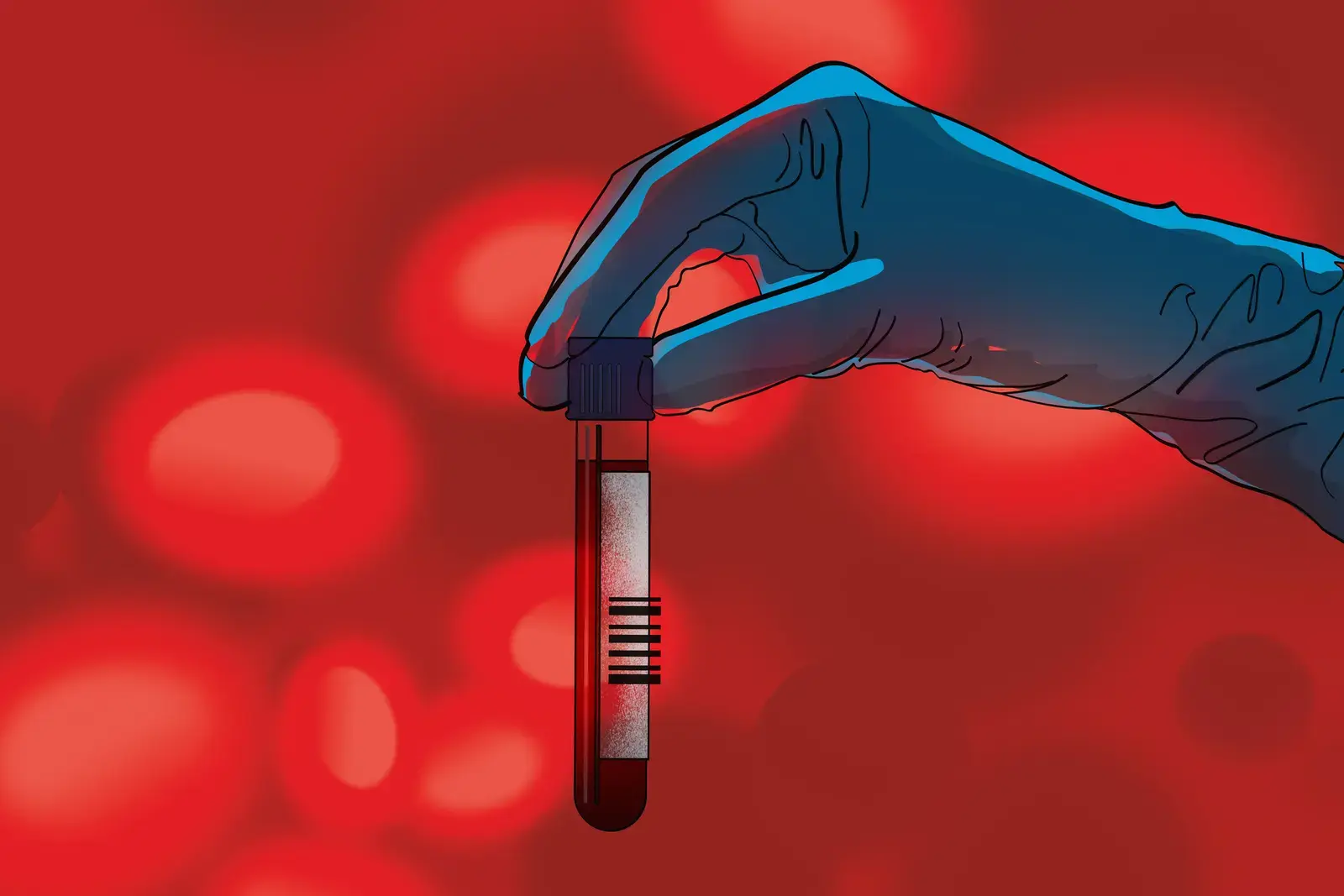
The Fragile Lifeline for Cancer Patients
The American Red Cross has issued an urgent plea for platelet donations as national supplies reach a precarious low. This shortage poses a severe risk to patients across the United States who rely on these blood components for survival. Hospitals are struggling to maintain adequate inventory levels during this critical autumn period.
Latest news
 Space Security Landscape Deteriorates Rapidly Amid New US Deployments
 Wife of US Scholar Detained in China Urges Trump to Address Case During Summit
 Palestinian Man Dies in Israeli Custody After Year of Administrative Detention
 Sweden's Centre-Left Coalition Wins Election as Right-Wing Bloc Narrowly Defeated
Platelets are essential blood cells that help stop bleeding and are vital for patients undergoing complex medical procedures. Unlike whole blood, platelets have a very short shelf life of only five days. This rapid expiration rate requires a constant and consistent stream of new donors to keep medical facilities fully stocked.
Many patients battling leukemia or other aggressive cancers require frequent platelet transfusions to survive intensive chemotherapy. Without a steady supply, these life-saving treatments may be delayed or canceled entirely. Families often face the terrifying prospect of their loved ones being unable to receive the care they desperately need.
Why Is the Supply Chain So Volatile?
The shortage also impacts emergency medicine significantly. Trauma centers rely on immediate access to platelets to stabilize victims of severe car accidents or other catastrophic injuries. When these supplies are unavailable, the window of opportunity to save a life closes rapidly, leaving medical teams with limited options.
The primary challenge stems from the unique biological nature of platelets. Because they cannot be stored for long periods, the healthcare system depends entirely on the generosity of daily donors. If donation rates drop even slightly, the impact is felt almost immediately in hospital wards and trauma units.
Public awareness remains the most effective tool for addressing this deficit. Health officials emphasize that a single donation can provide enough platelets to help a patient recover from surgery or manage a chronic illness. Regular donors are the backbone of the system, yet current numbers are failing to meet the rising demand.
Frequently Asked Questions
If the trend of low donation rates continues, hospitals may be forced to prioritize only the most critical cases. This could lead to widespread delays in elective surgeries and routine cancer treatments. Maintaining a robust supply is not just a logistical goal but a fundamental necessity for the stability of American healthcare.
Why do platelets expire so quickly? Platelets are delicate cells that must be stored at room temperature and constantly agitated to remain viable. Because of these specific requirements, they can only be kept for five days before they are no longer safe for transfusion.
How can individuals help mitigate this shortage? Healthy adults can contact their local Red Cross chapter to schedule a donation appointment. Consistent, repeat donations are especially valuable because they ensure a predictable supply for patients in need.