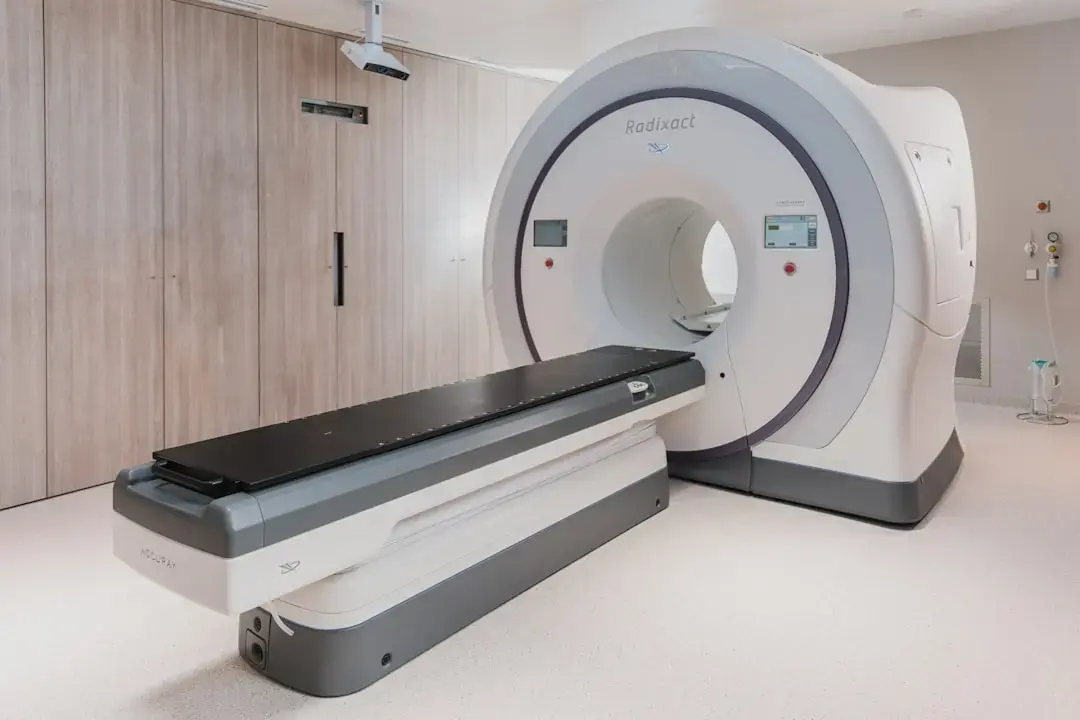
CT Scan Shortage Undermines Diagnosis
Gaza’s hospitals are facing a mounting health emergency as a severe shortage of computed tomography (CT) scanners hampers diagnosis and treatment. The deficit, reported this month, affects civilians and medical staff across the enclave, where routine imaging is now scarce and patients endure delayed care.
Latest news
 Swedish Voters Choose New Parliament as Left-Wing Coalition Projects to Win Majority
 Trump Announces End of US Tariff on Irish Whisky
 Frances Stonor Saunders, Author of CIA Cultural Espionage Exposé, Dies at 66
 Israel and Lebanon to Hold Security Talks in Rome This October
The lack of CT equipment stems from damaged infrastructure, limited imports, and dwindling supplies amid ongoing conflict. Without functional scanners, doctors cannot quickly assess internal injuries, brain trauma, or complex illnesses, forcing reliance on less accurate methods. The shortage exacerbates already strained services, pushing the health system toward collapse.
Medical personnel describe the situation as a „waiting game” that endangers lives. Patients with suspected fractures or internal bleeding must wait for scarce scanner time, often resulting in missed or late diagnoses. Hospitals have resorted to sharing the few available machines, but the demand far outpaces capacity.
Can Gaza’s Hospitals Recover Without CT Scanners?
The scarcity also impacts chronic disease management. Cancer patients, for example, cannot receive timely imaging to monitor tumor progression, delaying treatment plans. Health officials warn that the cumulative effect will increase mortality rates and burden families already coping with conflict‑related hardships.
Experts argue that without a rapid influx of functional CT units, the health crisis will deepen. International aid groups have pledged equipment, yet logistical hurdles and blockades impede delivery. In the interim, clinicians are improvising with portable X‑ray devices, but these tools lack the detail required for critical cases.
Recovery hinges on restoring supply chains and repairing damaged facilities. Until then, the medical community faces a grim outlook, with each day of shortage compounding the risk of preventable deaths and long‑term health consequences for Gaza’s population.
Frequently Asked Questions
Why are CT scanners so vital in Gaza’s hospitals? CT scanners provide rapid, detailed images of internal structures, essential for diagnosing trauma, strokes, and cancers. Their absence forces reliance on slower, less precise methods.
What obstacles prevent the arrival of new CT machines? Blockades, damaged infrastructure, and limited funding hinder the transport and installation of medical equipment, slowing aid efforts.
How are patients coping with the imaging shortage? Many endure prolonged waiting periods, some travel to neighboring regions for scans, while others receive only basic examinations, increasing health risks.