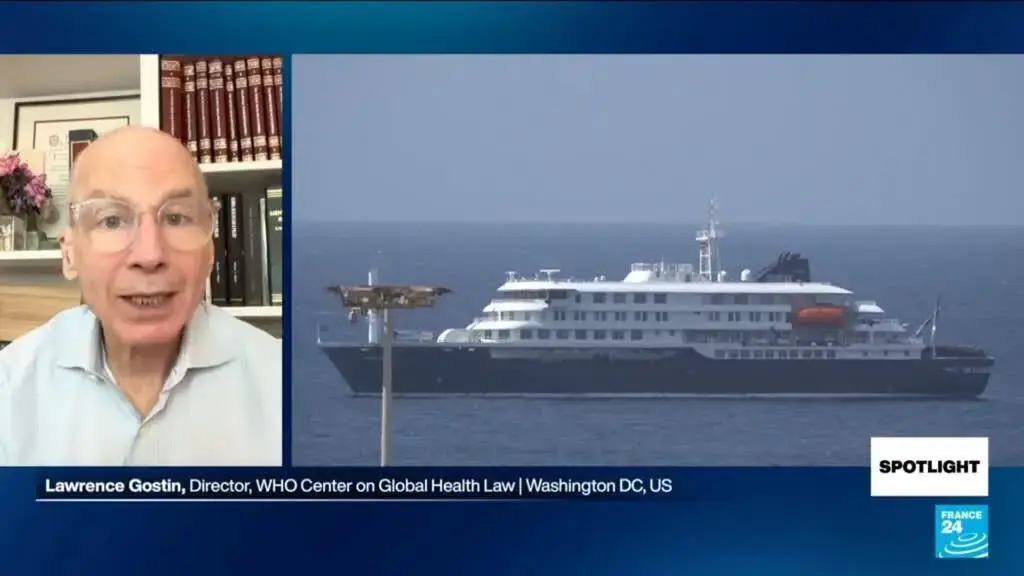
Preventing Future Onboard Outbreaks
World Health Organization official Lawrence Gostin cautioned against repeating past mistakes. He specifically referenced handling outbreaks on cruise ships. Gostin’s comments came amid ongoing global health concerns. He stressed the need for improved international coordination now.
Latest news
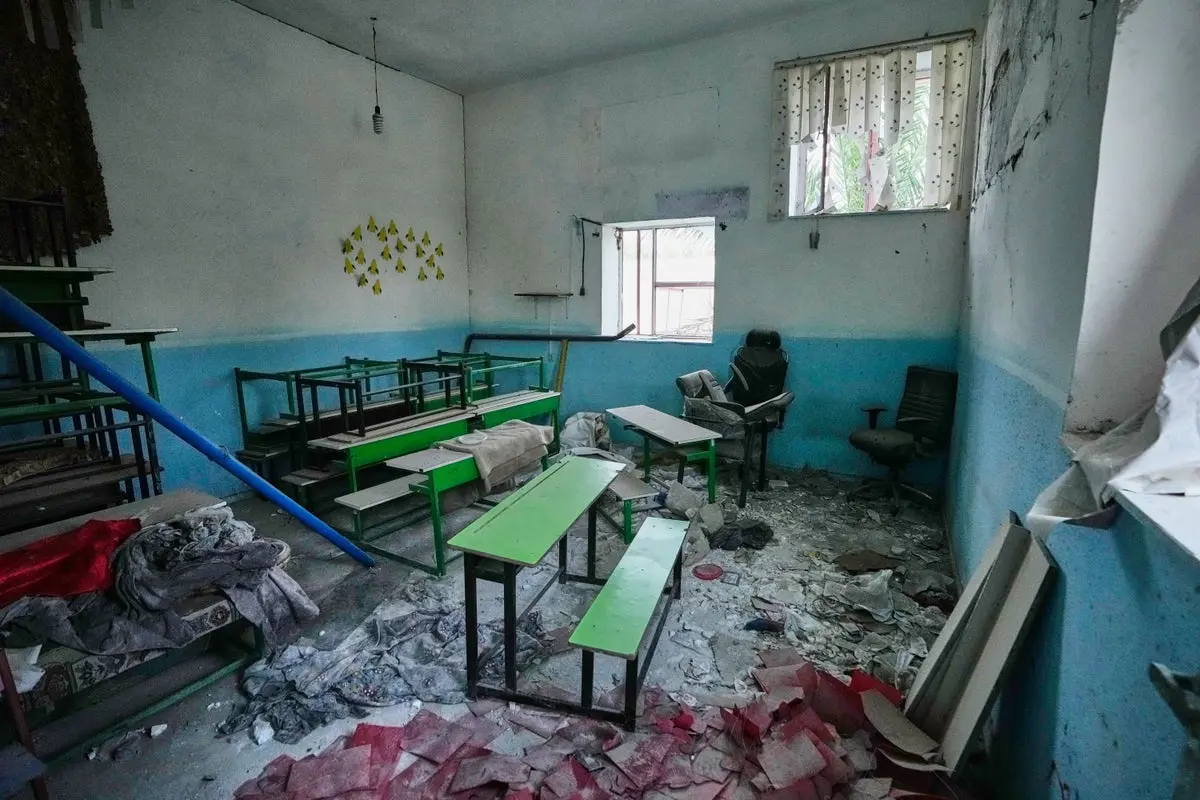 UN Report Accuses US and Iran of Serious Human Rights Violations
 Canada Eyes EU Associate Membership Under Prime Minister Mark Carney
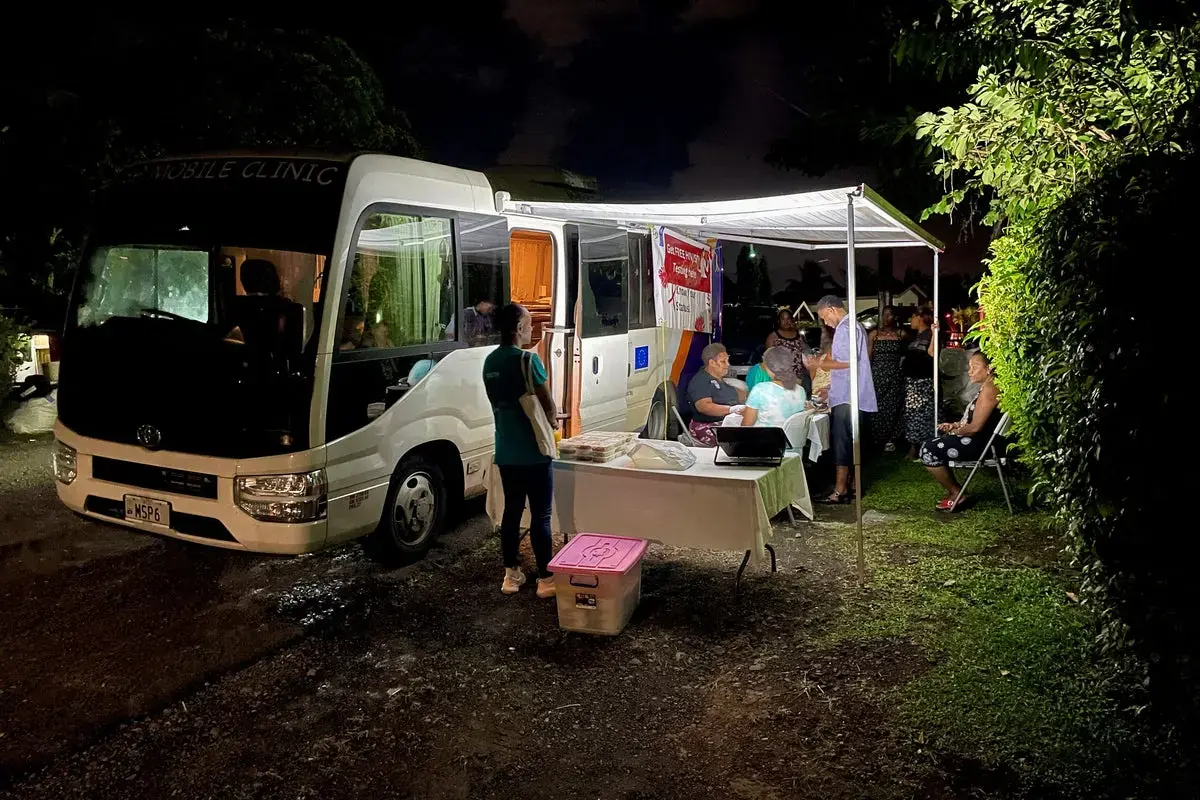 Fiji Declares National Emergency Over Rapid HIV Surge
 Israeli Forces Detain Palestinian Journalist in Ramallah Raid
Gostin highlighted the ethical issues surrounding confining passengers during health crises. He deemed it „unconscionable” to keep individuals trapped on vessels. This occurred frequently during the initial stages of the COVID-19 pandemic. The lack of adequate medical care and isolation protocols created dangerous conditions. He believes similar scenarios could unfold again without proactive measures.
The core issue, Gostin explained, lies in the unique challenges cruise ships present. Close quarters and constant passenger turnover facilitate rapid disease transmission. Existing international health regulations are insufficient to address these risks effectively. Current rules focus on reporting outbreaks after they occur, rather than preventing them. Gostin advocates for a shift towards preventative strategies.
Can Cruise Lines Self-Regulate Effectively?
He emphasized the importance of pre-boarding health screenings. Enhanced sanitation protocols are also crucial. Ships must have robust isolation facilities and medical staff. International collaboration is key to establishing standardized protocols. This would ensure consistent responses across different jurisdictions. Gostin believes a more proactive approach is ethically and practically necessary.
A central question is whether cruise lines can adequately regulate themselves. Gostin expressed skepticism, citing past instances of prioritizing profits over passenger safety. He argues that independent oversight is essential. This oversight should involve international health authorities. They need the power to enforce stricter standards.
„We saw during COVID that cruise ships became Petri dishes,” Gostin stated. „It was unacceptable then, and it would be unacceptable now.” He warned against complacency, emphasizing that new variants and emerging infectious diseases pose ongoing threats. Relying solely on voluntary compliance is insufficient to protect public health.
Frequently Asked Questions
Without stronger regulations and international cooperation, the risk of repeating past errors remains high. Future outbreaks on cruise ships could overwhelm healthcare systems. They could also damage public trust in the travel industry. A proactive, coordinated approach is vital to prevent these consequences and ensure safer travel for everyone.
What specific changes should cruise lines implement? Cruise lines need improved ventilation systems and enhanced cleaning procedures. They should also increase onboard medical capacity and establish dedicated isolation zones. Pre-boarding health screenings are also essential.
Why were cruise ships particularly vulnerable during COVID-19? The close proximity of passengers and crew created ideal conditions for virus spread. Limited medical resources onboard and slow responses from authorities exacerbated the problem. International regulations were inadequate for the situation.