Cease‑Fire Terms and the Disarmament Deal
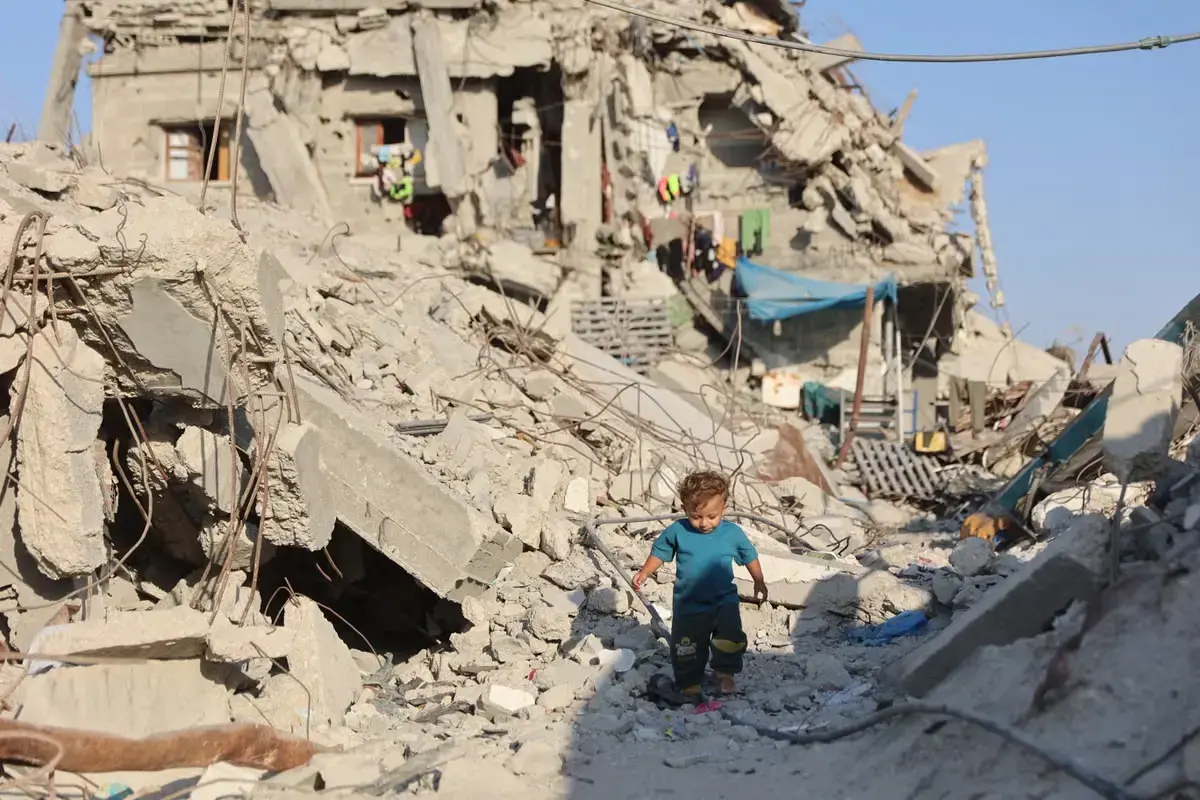
The Israeli military launched strikes across Gaza on Sunday, killing 18 Palestinians. The attacks occurred despite Hamas’ recent acceptance of a disarmament agreement tied to the cease‑fire that began in October. Gaza’s health ministry reports the death toll from ongoing Israeli operations now exceeds 1,230 since the truce started.
Latest news
 Saudi Arabia Declares Mecca Attack Attempt a Red Line as Houthis Deny Involvement
 Surrey Oil Drilling Project Sold After Supreme Court Rejection
 Union leaders urge bold action for Labour leader
 Wildfire Crisis Deepens as Federal Firefighter Shortage Plagues Summer Season
The latest raids targeted residential neighborhoods and infrastructure, raising questions about the cease‑fire’s durability. Hamas announced its willingness to disarm in exchange for the promised halt to Israeli bombardments, yet Israeli officials said the strikes were aimed at preventing the movement of weapons. The discrepancy between diplomatic promises and battlefield actions has intensified scrutiny of both sides’ commitments.
The October cease‑fire was intended to pause hostilities and open channels for humanitarian aid. Under the agreement, Hamas pledged to surrender arms and cease rocket fire, while Israel promised to limit air operations. Health officials in Gaza, however, note that the death toll has risen sharply, with more than 1,230 civilians killed in the past months.
Why Are Hostilities Continuing Despite the Agreement?
International observers stress that the disarmament clause remains fragile. Monitoring groups have warned that any perceived violation could trigger renewed violence. The recent Israeli strikes, which hit densely populated districts, suggest that Israel remains skeptical about Hamas’ compliance, or that it is responding to intelligence indicating continued weapon transfers.
Both parties claim to honor the cease‑fire, yet mistrust fuels ongoing clashes. Hamas argues that Israel’s limited aid deliveries and blockades undermine the truce’s spirit, while Israel insists that Hamas retains covert arms caches that threaten its security. The recent fatalities underscore how quickly the situation can deteriorate when either side doubts the other’s intentions.
The continued loss of civilian lives threatens to erode any progress toward a lasting peace. Analysts warn that without a transparent verification mechanism, the disarmament pledge may remain symbolic. The international community faces pressure to mediate a more robust monitoring framework and to ensure that humanitarian corridors remain open.
Frequently Asked Questions
What triggered the latest Israeli strikes? Israel says the raids targeted sites suspected of storing weapons or facilitating arms smuggling, aiming to prevent future attacks on its territory.
Has Hamas fully complied with the disarmament agreement? Hamas publicly announced its intent to disarm, but independent verification of weapon surrender is limited, leaving doubts about full compliance.
What are the prospects for a renewed cease‑fire? Future negotiations will likely depend on confidence‑building measures, such as third‑party monitoring and guaranteed humanitarian access, to address both security concerns and civilian needs.