Strategic Response to Fuel Crisis
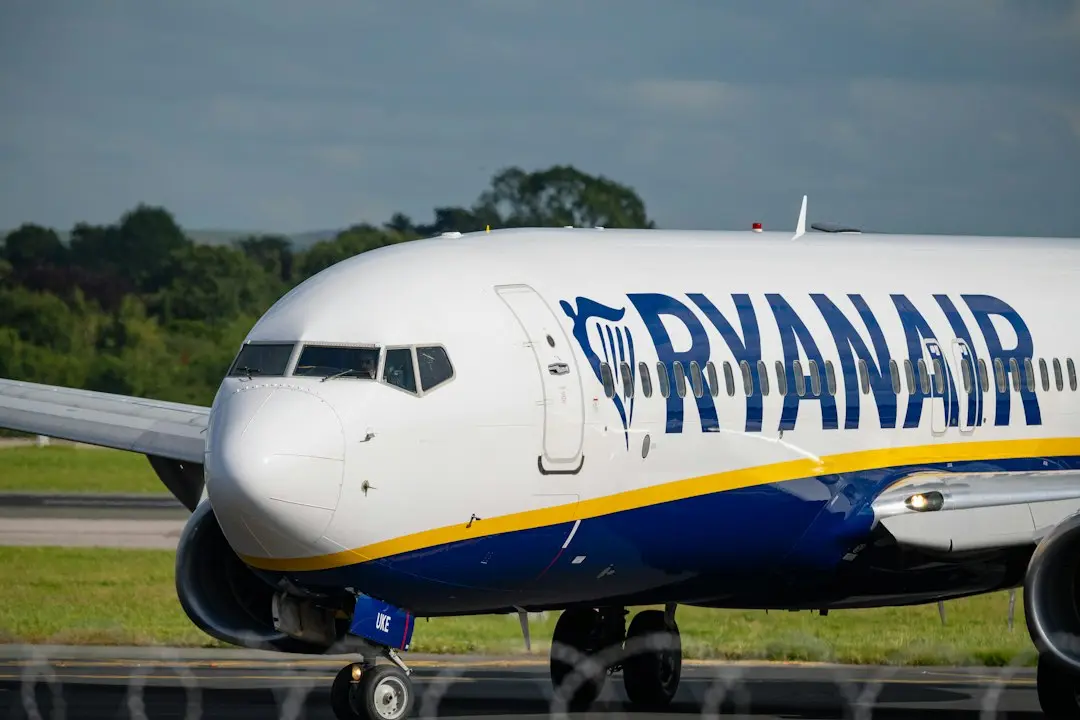
The low-cost carrier plans to negotiate new terms with partner airports. It will also optimize cabin crew levels. Additionally, the airline will integrate artificial intelligence into administrative processes. These steps aim to protect profit margins amid energy price volatility. The conflict in the Middle East has pushed up oil quotes. This has also eroded passenger demand for flight tickets.
Latest news
 GOP Candidates Distance Themselves from Trump in Recent Campaign Advertising
 Maine Senate Race Tests Susan Collins Against Troy Jackson
 Voters Weigh Healthcare Costs at the Polls
 Election Day Analysis: A Final Look at the Political Landscape
Financial Impact and AI Integration
The company’s CFO emphasized the necessity of these measures. They are designed to shield earnings from external shocks. The AI initiative targets repetitive tasks. This allows human resources to shift to higher-value activities. The financial reports showed a 15% decline in net profit. This decline was compared to the previous period.
Market Reaction and Service Quality
Market analysts reacted positively to the announcement. They view Ryanair’s financial discipline as a sign of serious risk management. However, some observers warn about potential service quality impacts. Reducing cabin crew could affect the passenger experience. This is critical in a competitive market where customer loyalty depends on service quality.
Dynamic Pricing Strategy
To counter fuel price pressure, Ryanair will constantly monitor oil quotes. The airline will dynamically adjust ticket prices. This flexibility strategy was tested in previous months. The company applied price increases during peak periods. This approach helps manage the $2 billion cost increase.
Competitive Positioning
The cost-cutting initiative is a direct response to the regional conflict. It addresses the $2 billion fuel cost rise. By combining operational optimization with AI technology, Ryanair positions itself to maintain its competitive edge. This strategy aims to sustain performance despite macroeconomic uncertainty.