Strategic Economic Relief Measures
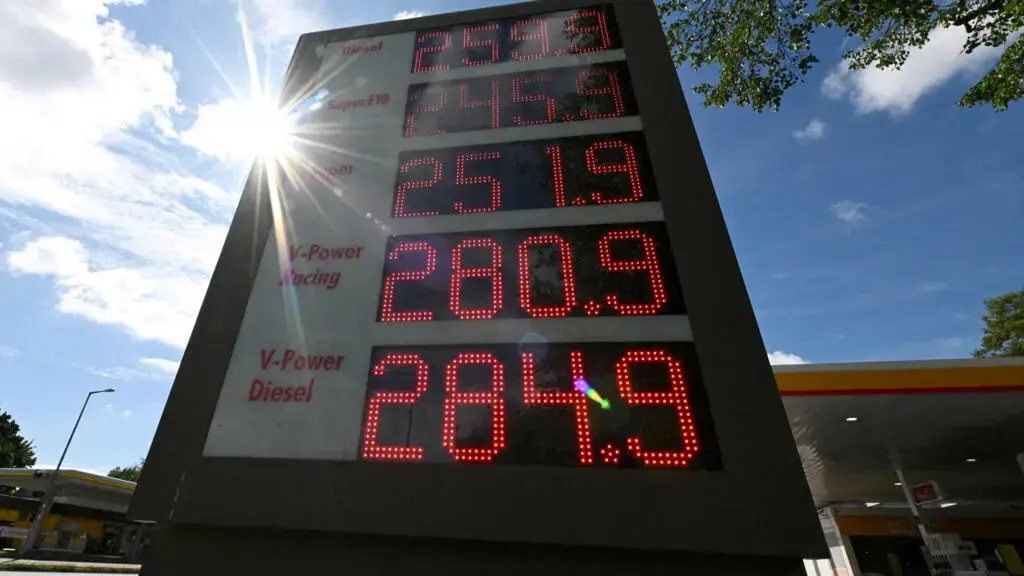
Starting this October, the German government will implement a significant tax reduction on gasoline and diesel. Officials confirmed on Friday that fuel prices will drop by approximately 17 cents per liter. This policy shift arrives as the nation prepares for critical state elections in Berlin and Mecklenburg-Western Pomerania.
Latest news
 Former Syrian General Arrested Over Civil War Operations
 Turkiye pledges military support to Riyadh as Houthi threats rise
 Escalating Tensions in the West Bank Lead to Arrests and Property Damage
 Turkish Official Warns Israel Against Territorial Ambitions
The government aims to provide immediate financial relief to motorists facing high inflation. By lowering the energy tax, authorities hope to stabilize household budgets and mitigate the impact of rising global oil costs. This intervention serves as a strategic move to address public frustration regarding expensive transportation expenses.
The decision to lower fuel levies is expected to benefit both private vehicle owners and the logistics sector. High energy prices have placed immense pressure on the German economy throughout the year. Policymakers are attempting to balance fiscal responsibility with the urgent need to support citizens struggling with daily commuting costs.
Will This Policy Shift Influence Election Outcomes?
This tax cut represents a direct response to the broader energy crisis currently affecting much of Europe. While the reduction is temporary, it signals the government's willingness to intervene in the market to protect consumers. Experts suggest this move could influence voter sentiment in the upcoming regional contests.
The timing of this announcement is particularly notable given the political landscape. Opposition figures, including Friedrich Merz, have been vocal about the government's handling of economic management. The coalition government hopes that easing fuel burdens will demonstrate responsiveness to the electorate's primary concerns during this sensitive period.
Frequently Asked Questions
The long-term success of this policy remains uncertain as global oil markets continue to fluctuate. If prices remain elevated, the government may face pressure to extend these tax cuts beyond the initial period. For now, drivers can expect a noticeable decrease at the pump starting next month.
How much will fuel prices drop? Drivers will see a reduction of approximately 17 cents per liter for both gasoline and diesel starting in October.
Why is the government cutting these taxes now? The move is designed to alleviate financial pressure on households and businesses ahead of key state elections in Berlin and Mecklenburg-Western Pomerania.