
Tracking the Statistical Edge
As Americans head to the polls today, political forecaster Nate Silver is providing a final assessment of the national electoral climate. Voters across the country are casting their ballots in a high-stakes contest that has dominated the headlines for months. This special coverage aims to break down the final polling data and key trends influencing the outcome in critical battleground states.
Latest news
 From Amnesty Advocates to Border Enforcers
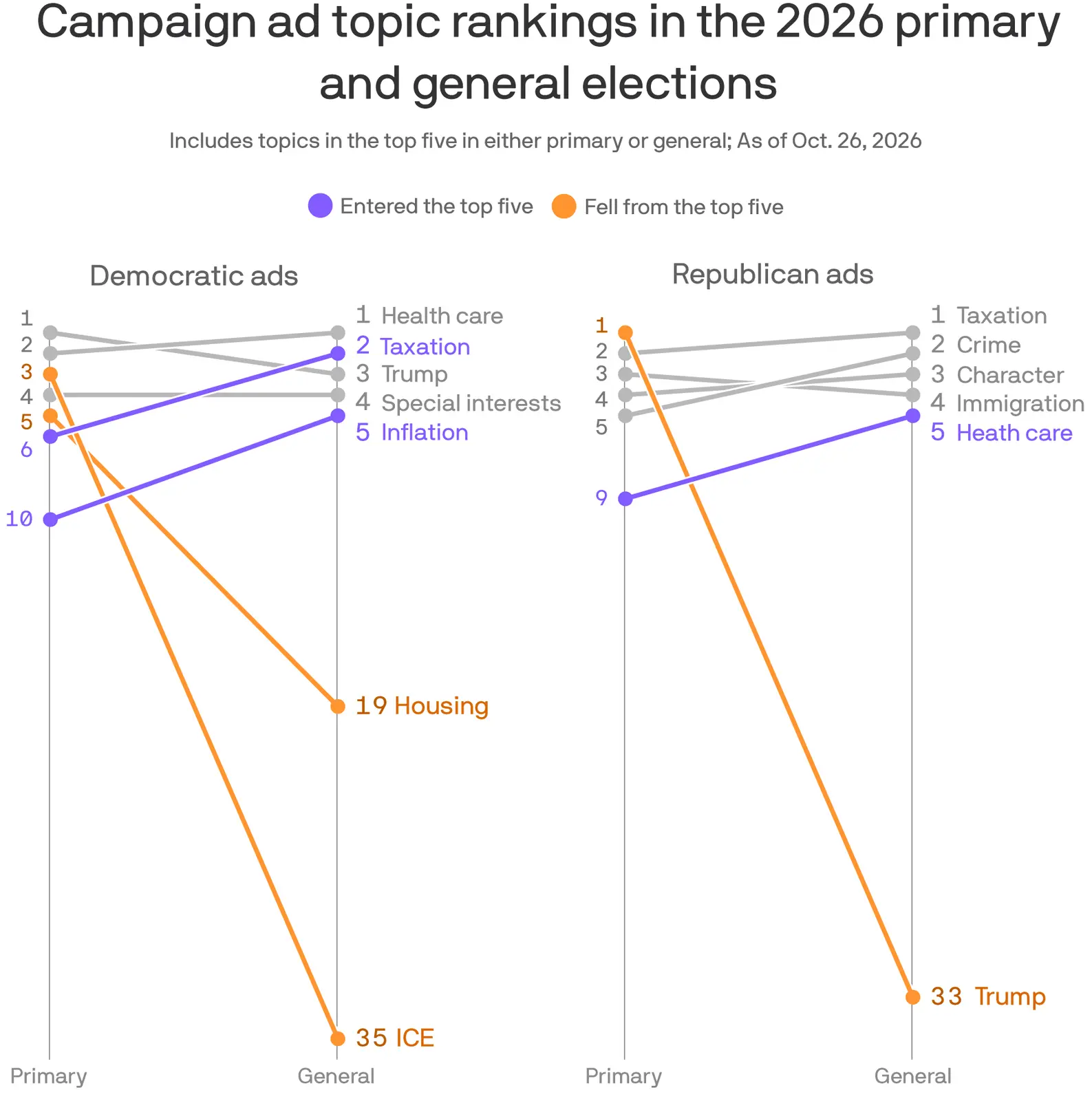 GOP Candidates Distance Themselves from Trump in Recent Campaign Advertising
 Maine Senate Race Tests Susan Collins Against Troy Jackson
 Voters Weigh Healthcare Costs at the Polls
The current political environment remains exceptionally tight, with both major parties fighting for every remaining vote. Analysts are closely monitoring turnout numbers in urban and suburban districts, which often serve as bellwethers for the broader results. Silver emphasizes that even minor shifts in voter behavior could determine the eventual winner in several narrow races.
Silver’s models have consistently highlighted the volatility of this election cycle. He points to the difficulty of capturing voter sentiment in an era of rapid information exchange and shifting demographics. While polling averages provide a baseline, the actual results depend heavily on how different voter blocs engage with the process on the ground.
Will the Final Projections Hold Up?
The focus remains on the Blue Wallstates and the Sun Belt, where campaign resources have been poured in record amounts. These regions represent the most likely path to victory for both candidates. By analyzing historical voting patterns alongside current participation rates, experts can better understand the potential margins of error.
The reliability of modern polling techniques continues to be a central topic of debate among political scientists. Many argue that the challenges of reaching representative samples make it harder to predict outcomes with total certainty. Despite these hurdles, data-driven forecasting remains the primary tool for understanding the likely direction of the electorate.
Frequently Asked Questions
The ultimate impact of these election results will resonate far beyond the immediate political sphere. Decisions made at the ballot box today will influence national policy, international relations, and economic strategy for the next four years. As the counting begins, the nation waits to see if the statistical predictions align with the reality of the vote.
What is the primary factor influencing the current election outcome? The outcome is largely driven by turnout in a few key swing states where the margins are razor-thin. Voter enthusiasm and the effectiveness of grassroots mobilization efforts are playing a decisive role.
Why is it difficult to predict the winner using only polls? Polls are snapshots of public opinion that struggle to account for late-deciding voters and varying turnout levels. Statistical models must adjust for these uncertainties, which can lead to unpredictable results in close races.