# The Influence of National Operatives in Local Politics
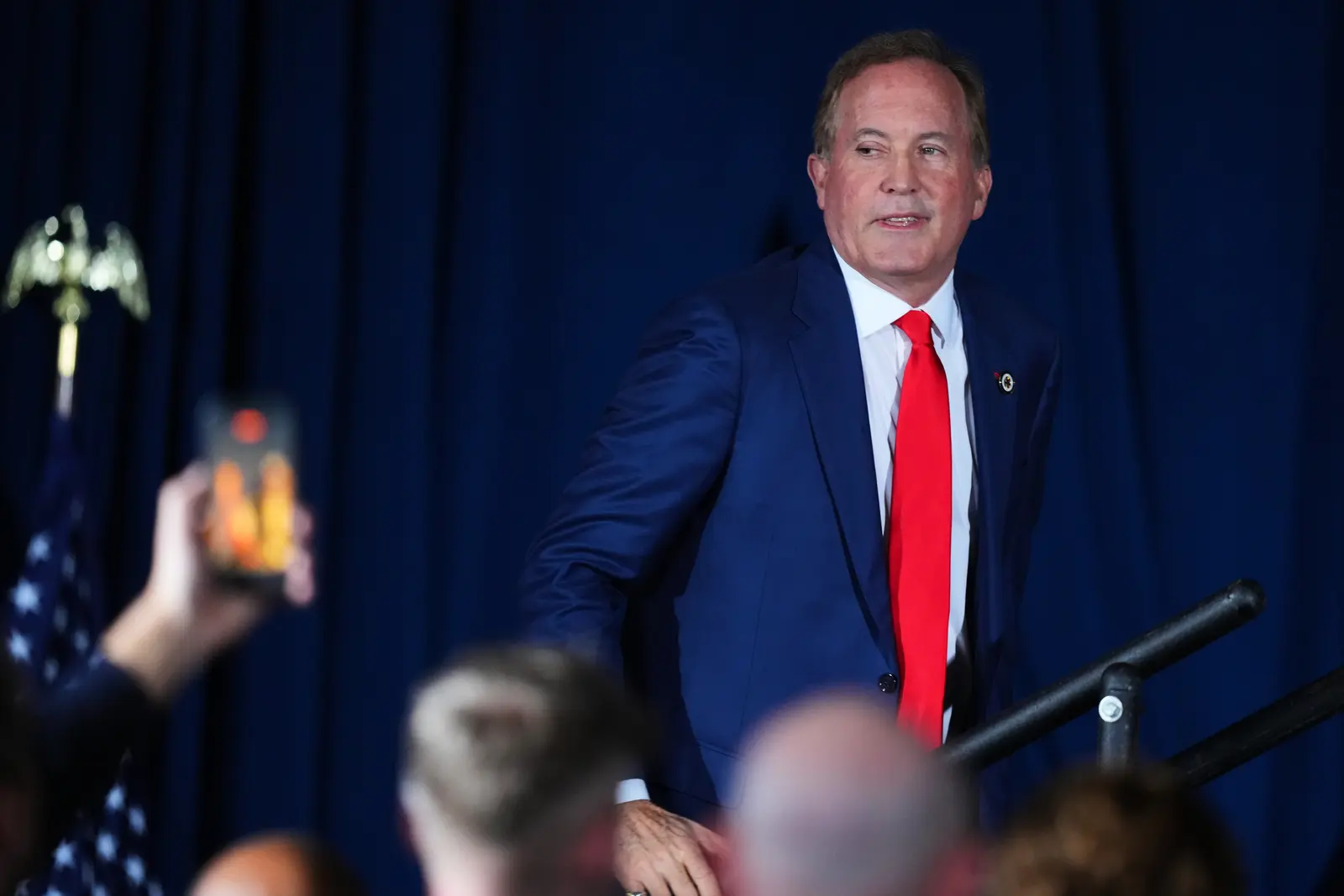
Ken Paxton, the Republican candidate for the U. S. Senate in Texas, has publicly stated that his campaign is largely directed from Washington, D. C. The Texas attorney general, who has been in the spotlight for his controversial tenure, is less than a month away from the end of his campaign cycle. In a recent interview, Paxton admitted that he feels a lack of control over the messaging and priorities of his campaign, attributing this to external influence from the nation's capital.
Latest news
 Unmarked graves holding multiple bodies discovered across Australian states
 Mark Thompson to Stay at CNN After Paramount Skydance Takeover
 Suspected Plague Case Claims Life of Siberian Researcher
 SpaceXAI Rebrands as SpaceXSI, Following Trump‑Style Corporate Shuffle
Paxton’s remarks come amid a growing debate over the role of national political operatives in state-level races. He described his experience as unprecedented, saying, „I’ve never been in a race where I felt less control over the campaign and, like, what issues are going to matter because it’s all coming — you know — from D. C.” The statement suggests that Paxton believes his campaign’s strategy and messaging are being shaped by national Republican operatives rather than local voters or his own team.
# How Does Washington Shape Paxton’s Campaign? – What Are the Implications?
The Texas Senate race has attracted significant attention from national party leaders who are eager to secure a seat in a state that has historically leaned Republican. Paxton’s claim points to a broader trend of national political influence in state contests. Analysts note that Washington-based teams often bring substantial resources, strategic guidance, and media expertise to local campaigns. However, this can clash with local dynamics, as candidates may feel their own voices are diluted. Paxton’s comments hint at a tension between his desire to represent Texas voters and the pressure from national operatives to align with broader party messaging.
The specifics of Washington’s involvement remain unclear, but Paxton’s statement implies a top‑down approach. He suggests that key decisions about issues, messaging, and strategy are being imposed rather than developed locally. This raises questions about campaign autonomy and voter representation. If Paxton’s campaign is indeed being steered from D. C., it could affect how voters perceive his authenticity and responsiveness to Texas concerns. The potential disconnect may also influence fundraising, volunteer coordination, and media outreach, as national teams often prioritize high‑profile narratives over grassroots engagement.
# Will Paxton Regain Control Before the Election? – A Question for the Future
Paxton’s future in the race hinges on whether he can reassert control over his campaign strategy. He has indicated a desire to reconnect with Texas voters and address local issues directly. Whether he can do so before the election remains uncertain. If he succeeds, it could signal a shift toward more locally driven campaigns in Texas. If not, the perception of his campaign as a Washington‑run operation could undermine his credibility among voters who value state‑level independence.
The outcome of this race will have significant implications for Texas politics and the national Republican Party. A victory for Paxton could consolidate Republican dominance in the Senate, while a loss might signal growing skepticism about national influence in state elections. The broader debate over campaign autonomy and local representation will likely continue to shape future electoral contests across the country.
What prompted Ken Paxton to speak about Washington’s influence? Paxton revealed his concerns during an interview, expressing frustration over a perceived lack of control over campaign messaging and priorities, which he attributes to national operatives.
The outcome of this race will have
How might Washington’s involvement affect Paxton’s chances in the election? If voters perceive his campaign as controlled from D. C., it could erode trust and reduce local support, potentially harming his electoral prospects in a state that values independent representation.
Can Paxton regain control of his campaign before the election? It is uncertain; Paxton has expressed a desire to re‑engage with local voters, but whether he can shift strategy in time remains to be seen.