Who's Lagging Behind?
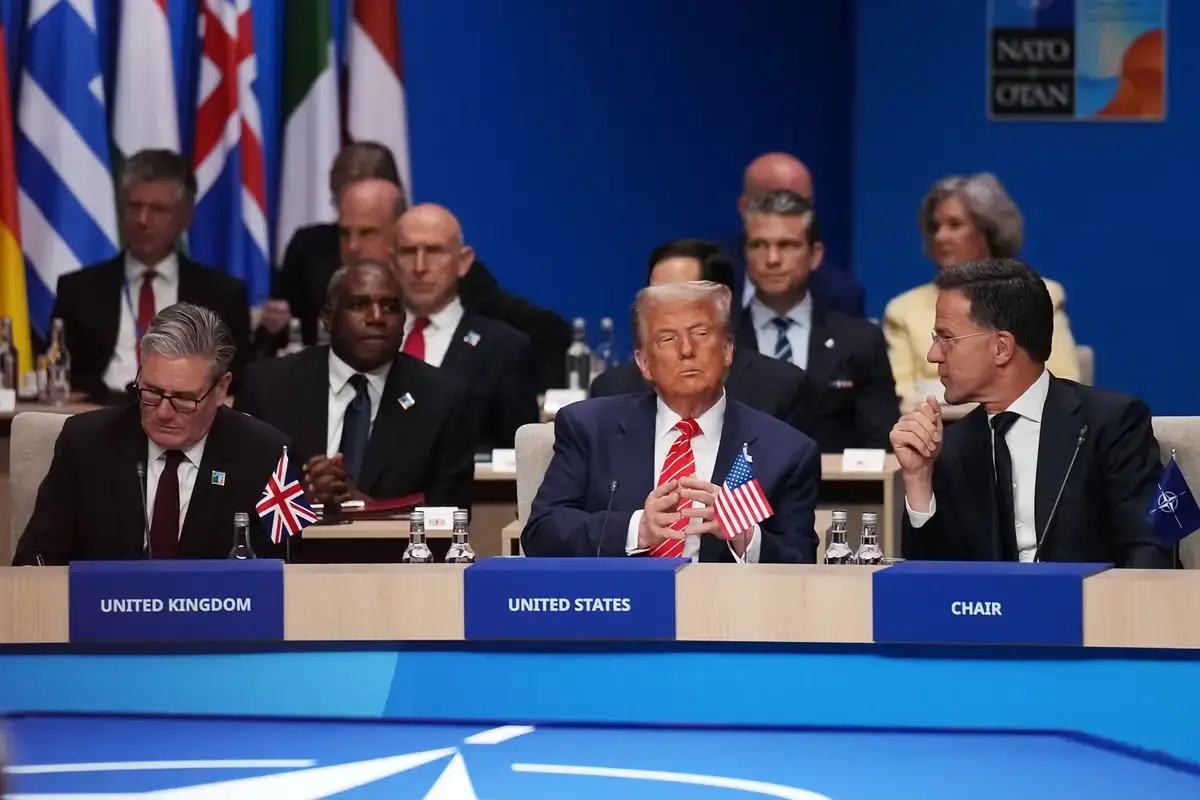
Nato allies are under pressure to increase their defence spending. The US is not the biggest contributor as a percentage of GDP. Nato's target is for members to spend at least 2% of their GDP on defence. Many countries are still below this target.
Latest news
 Swedish Voters Choose New Parliament as Left-Wing Coalition Projects to Win Majority
 Trump Announces End of US Tariff on Irish Whisky
 Frances Stonor Saunders, Author of CIA Cultural Espionage Exposé, Dies at 66
 Israel and Lebanon to Hold Security Talks in Rome This October
The US has been criticised for its large defence budget, but it is not the highest as a percentage of GDP. Countries like Estonia and Greece are among the top spenders. The call for increased spending comes as Nato faces security challenges.
Can Nato Meet its Defence Goals?
Many Nato members, including major European economies, are still not meeting the 2% target. Germany, Italy, and Spain are among those that need to increase their defence spending. The US has been urging its allies to ramp up their defence budgets.
Nato's Secretary-General has welcomed efforts by some countries to increase their defence spending. However, more needs to be done to meet the alliance's defence needs. The UK is one of the few countries that has consistently met the 2% target.
Nato's defence spending target is seen as crucial to the alliance's ability to respond to security threats. If members do not meet their targets, Nato's effectiveness could be compromised. The alliance is working to address its defence needs.
Frequently Asked Questions
The consequences of not meeting the defence spending target could be significant. Nato's ability to respond to security threats would be weakened. The outlook for Nato's defence capabilities remains uncertain.
What is Nato's defence spending target? Which Nato members are the top defence spenders? Estonia and Greece are among the top defence spenders as a percentage of GDP. What happens if Nato members don't meet their defence spending targets?