Why Environmentalists Are Alarmed
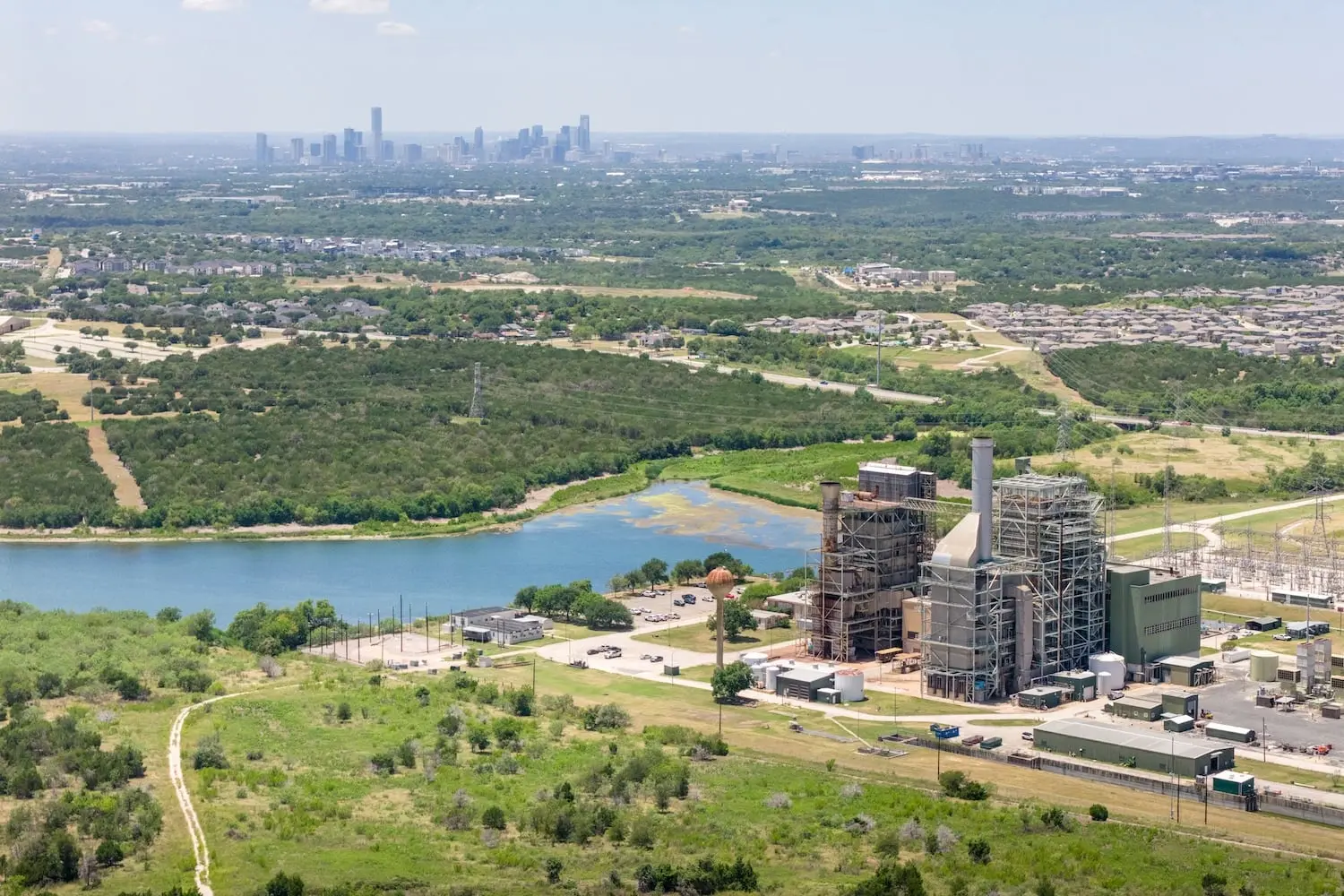
The United States Senate recently passed a comprehensive permitting framework aimed at accelerating the construction of new power plants and infrastructure. The decision, which has sparked intense debate, was met with opposition from many environmental groups who argue that the plan undermines climate goals.
Latest news
 Escalating Crackdown Targets LGBTQ+ Individuals Across Senegal
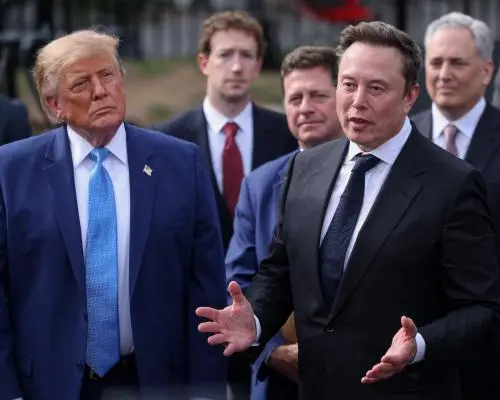 Elon Musk Hints at Washington Role in Starlink Limits
 Embryo Gene Editing Advances in Precision Amid Safety and Ethics Debate
 EU Summit Opens With Kaja Kallas’s Key Speech
The new framework, adopted on Tuesday, seeks to streamline approvals for fossil fuel and renewable projects alike. It introduces a single, expedited review process for facilities that meet certain safety and environmental standards, and it establishes a clear timeline for completion. The move is intended to address long‑standing bottlenecks that have delayed energy projects for years.
# Is the Senate’s Plan Compatible with the Paris Agreement?
Critics point out that the permitting package favors large, capital‑intensive projects that emit significant greenhouse gases. They argue that the accelerated timelines could lead to increased pollution and a higher carbon footprint. Some groups contend that the policy fails to enforce stringent emissions limits and does not adequately protect vulnerable communities from environmental injustice.
Supporters, however, claim that the streamlined process is essential to meet the nation’s growing energy demands while keeping costs low. They argue that the policy includes provisions for renewable projects, such as wind and solar farms, which can help diversify the energy mix and reduce dependence on fossil fuels.
# How Will the Policy Affect Energy Prices?
The Paris Agreement requires countries to limit global warming to well below 2 °C, with efforts to stay below 1.5 °C. Critics say the permitting framework does not align with these targets because it prioritizes quick construction over long‑term emissions reductions. Proponents counter that by enabling rapid deployment of clean energy infrastructure, the policy could accelerate the transition to a low‑carbon economy.
The expedited permitting process is expected to lower the cost of new power plants by reducing administrative delays. Lower construction costs could translate into cheaper electricity for consumers and businesses. However, opponents warn that cheaper fossil fuel projects might lock in high emissions for decades, ultimately raising climate‑related costs.
What Happens Next?
The Senate’s decision is just the first step. States will need to adopt the new rules, and the federal government will oversee implementation. Environmental groups are preparing legal challenges, while industry leaders are calling for further incentives to support clean energy. The outcome of this policy will shape the United States’ energy landscape for years to come, influencing everything from job creation to climate resilience.
What is the main goal of the Senate’s permitting framework? The framework aims to speed up the approval process for new energy projects, reducing bureaucratic delays and encouraging investment in both fossil fuel and renewable infrastructure.
Frequently Asked Questions
How does the policy address environmental concerns? It includes safety and environmental standards that projects must meet, but critics argue these requirements are not stringent enough to prevent significant emissions or protect vulnerable communities.
Will the policy affect the United States’ climate goals? Supporters believe it will help meet climate targets by enabling faster deployment of clean energy, while opponents fear it may lock in high‑emission projects that hinder long‑term climate commitments.