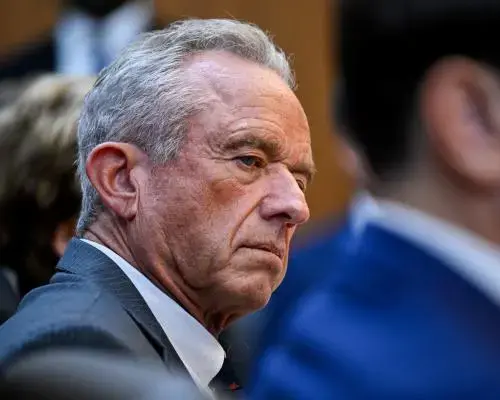
A Sudden Rise in Measles Cases
On Sunday, Robert F. Kennedy Jr., the United States health secretary and longtime critic of vaccines, called on American families to protect their children with the measles shot. The appeal comes as the nation records infection levels unseen in the past 35 years, prompting public‑health officials to sound the alarm.
Latest news
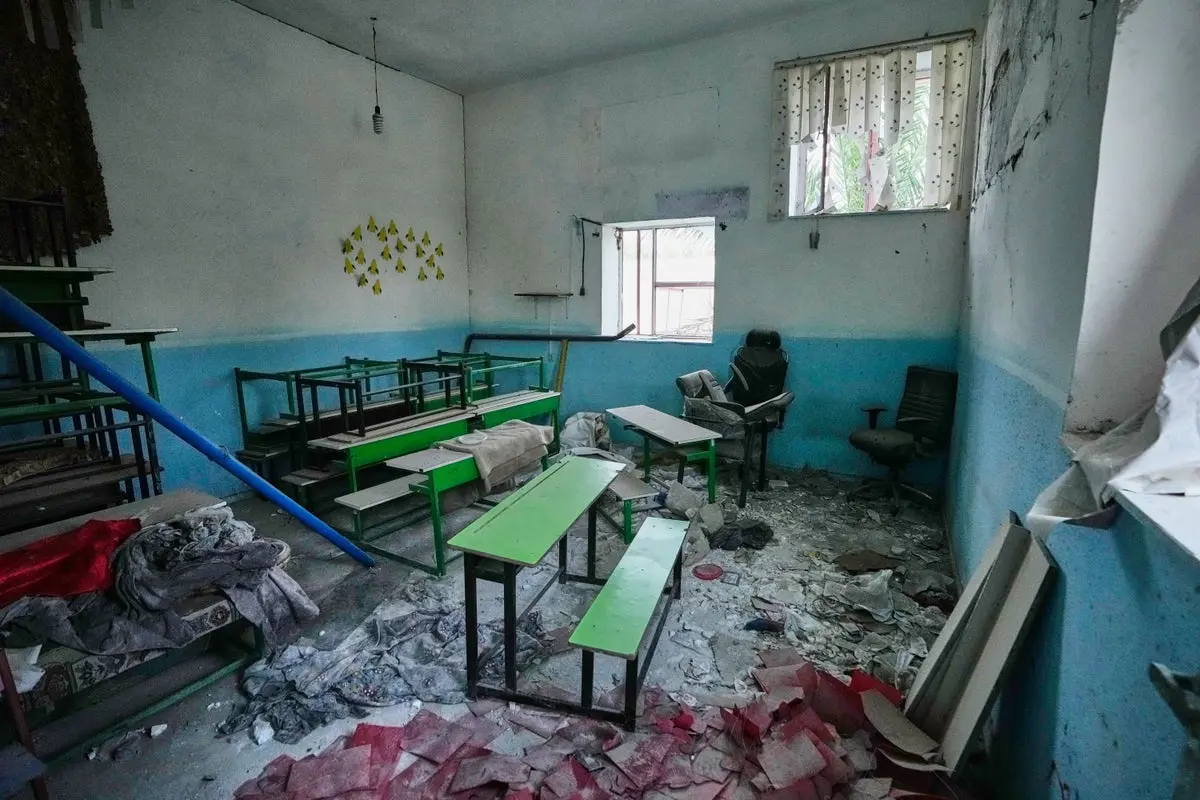 UN Report Accuses US and Iran of Serious Human Rights Violations
 Canada Eyes EU Associate Membership Under Prime Minister Mark Carney
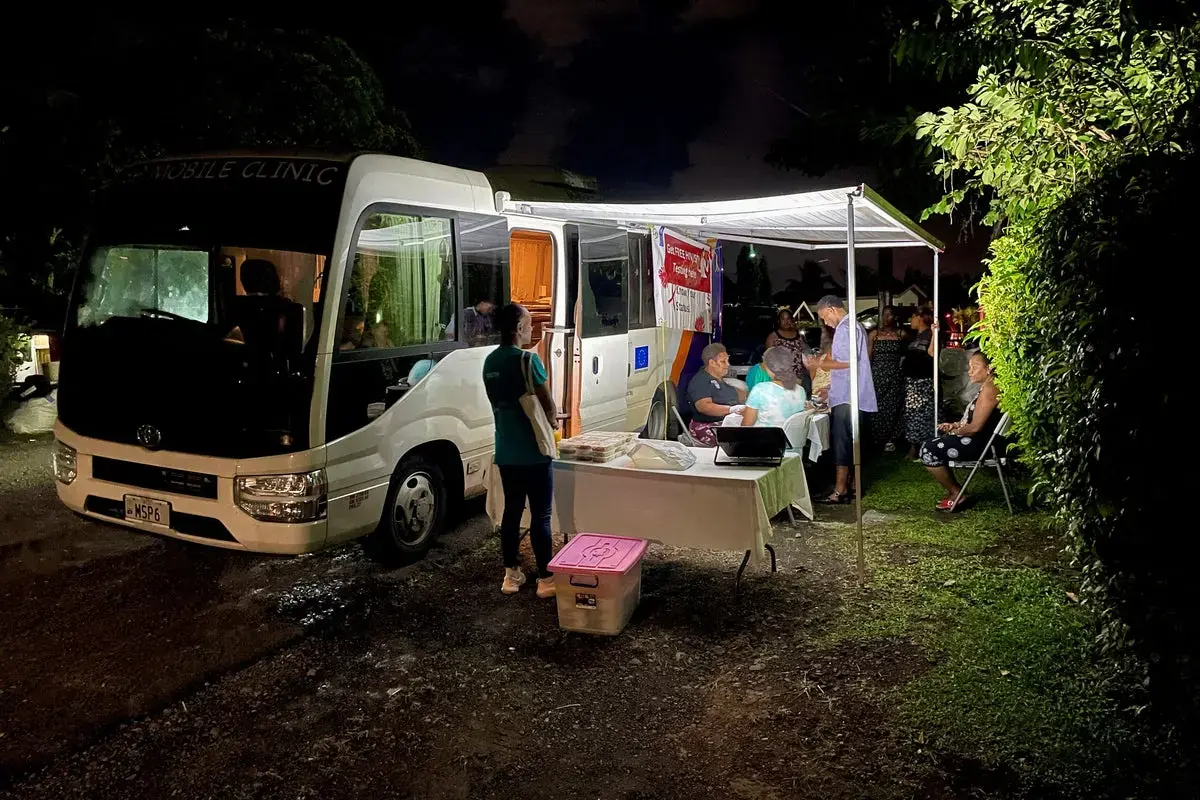 Fiji Declares National Emergency Over Rapid HIV Surge
 Israeli Forces Detain Palestinian Journalist in Ramallah Raid
Kennedy’s statement follows a rapid climb in reported measles cases across several states, driven by declining immunization rates and pockets of misinformation. Health experts attribute the spike to reduced vaccine coverage, especially in communities that have embraced anti‑vaccine rhetoric. By urging vaccination, Kennedy appears to pivot from his previous stance, hoping to curb the outbreak before hospitals become overwhelmed.
The Centers for Disease Control and Prevention confirmed more than 1,200 measles cases in the first quarter of 2024, a figure that dwarfs the annual average of the early 1990s. Outbreaks have been traced to schools and childcare centers where vaccination compliance fell below 80 percent. „We are witnessing a resurgence that could have been prevented,” said Dr. Elena Morales, an epidemiologist at the CDC. She warned that each unvaccinated child raises the risk for vulnerable populations, including infants too young for the vaccine and immunocompromised individuals.
Why Is a Vaccine Skeptic Urging Immunization Now?
Kennedy’s call to action includes a direct appeal: „If you care about your child’s health, get them the measles vaccine today.” He emphasized that the vaccine is safe, widely used, and has a long record of preventing severe disease. The health secretary’s shift has drawn both praise and skepticism, as some wonder whether his previous anti‑vaccine messaging will undermine the current effort.
Kennedy’s reversal may stem from the stark reality of the outbreak’s impact on families he once represented. In a recent interview, he acknowledged that personal stories of children suffering from measles complications have changed his perspective. „Seeing families struggle with preventable illness made me rethink my position,” he said. Critics argue that his newfound support could be a strategic move to regain credibility, while supporters view it as a genuine change of heart prompted by public‑health data.
The health secretary also highlighted the economic toll of measles, noting that each outbreak can cost municipalities thousands in medical expenses and lost productivity. By promoting vaccination, Kennedy hopes to alleviate both the human and financial burdens that accompany the disease’s spread.
The measles surge underscores the fragile balance between personal belief and community health. If vaccination rates rise in response to Kennedy’s appeal, the nation could see a rapid decline in cases, averting further strain on healthcare resources. Conversely, lingering distrust may prolong the outbreak, leaving vulnerable groups at risk. Public health officials remain vigilant, urging parents to consult trusted medical sources and act promptly.
Frequently Asked Questions
What age groups are recommended to receive the measles vaccine? The measles, mumps, and rubella (MMR) vaccine is advised for children starting at 12 months, with a second dose between ages 4 and 6. Adults lacking proof of immunity should also be vaccinated.
How effective is the measles vaccine in preventing infection? A single dose provides about 93 % protection, while two doses raise efficacy to roughly 97 %, creating strong herd immunity when coverage is high.
Are there any serious side effects associated with the measles vaccine? Severe reactions are extremely rare. Most recipients experience mild symptoms such as soreness at the injection site or a low‑grade fever, which resolve within a day or two.