Rhythmic Movement as a Therapeutic Tool
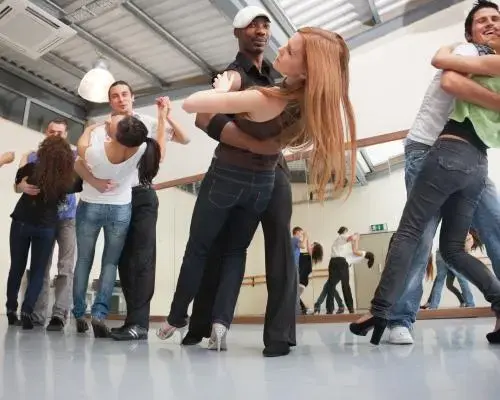
A recent study conducted by researchers at the University of Oxford indicates that salsa dancing can serve as a powerful tool for improving mental health. The randomized controlled trial focused on young adults, revealing that regular participation in these dance sessions effectively decreased symptoms of depression and alleviated social anxiety.
Latest news
 Swedish Voters Choose New Parliament as Left-Wing Coalition Projects to Win Majority
 Trump Announces End of US Tariff on Irish Whisky
 Frances Stonor Saunders, Author of CIA Cultural Espionage Exposé, Dies at 66
 Israel and Lebanon to Hold Security Talks in Rome This October
Salsa, a vibrant fusion of Caribbean, African, and Spanish rhythms, is enjoyed by millions globally. While the dance is widely recognized for enhancing physical fitness, such as improving cardiovascular health, posture, and muscle tone, its psychological benefits have remained less explored. This new research provides compelling evidence that the rhythmic movement and social engagement inherent in salsa offer significant cognitive and emotional advantages.
The study highlights how the combination of physical activity and social interaction creates a unique environment for mental relief. By participating in structured dance classes, individuals are encouraged to step outside their comfort zones in a supportive atmosphere. This process helps to build confidence and reduces the isolation often associated with social anxiety.
Can Social Dancing Replace Traditional Therapy?
The researchers observed that the structured nature of salsa steps, combined with the upbeat musical tempo, helps participants focus on the present moment. This mindfulness-based aspect of dancing acts as a distraction from daily stressors. Consequently, those who engaged in the program reported a noticeable improvement in their overall mood and a reduction in depressive symptoms.
While the findings are promising, researchers suggest viewing salsa as a complementary practice rather than a replacement for clinical treatment. The social nature of the dance allows participants to form connections, which is a vital component of mental health recovery. By fostering a sense of community, the dance floor becomes a space for both physical exercise and emotional healing.
Frequently Asked Questions
Looking ahead, the team hopes to expand this research to determine if these benefits persist over longer periods. If the results hold, salsa classes could eventually be integrated into wellness programs aimed at supporting youth mental health. This approach offers an accessible, non-pharmacological way to help young people navigate the complexities of modern social life.
What were the primary mental health benefits observed in the study? Participants experienced a measurable reduction in depressive symptoms and lower levels of social anxiety. The study suggests that the combination of movement and social interaction plays a key role in these improvements.
Is salsa dancing suitable for everyone regardless of their fitness level? Salsa is highly adaptable and can be enjoyed by people of various physical abilities. The study focused on the mental health outcomes, suggesting that the social and rhythmic elements are accessible to most young adults.