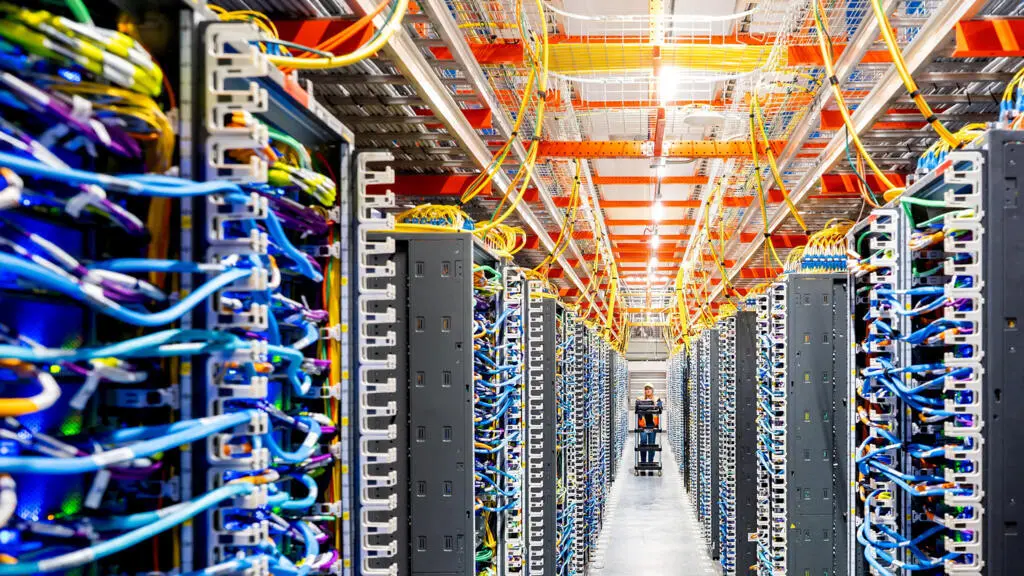
Grid Strain and Local Backlash
The rapid expansion of artificial intelligence infrastructure has unexpectedly reshaped the political landscape ahead of the United States midterm elections. Candidates across both major parties are now grappling with the tangible effects of massive data center construction. This technological boom has moved beyond abstract tech debates to become a concrete local concern for voters. Communities are feeling the strain of new energy demands and land use changes. The issue has forced politicians to address practical infrastructure needs rather than just digital policy.
Latest news
 Swedish Voters Choose New Parliament as Left-Wing Coalition Projects to Win Majority
 Trump Announces End of US Tariff on Irish Whisky
 Frances Stonor Saunders, Author of CIA Cultural Espionage Exposé, Dies at 66
 Israel and Lebanon to Hold Security Talks in Rome This October
The surge in demand for computing power is driving a wave of construction projects nationwide. These facilities require significant electricity and water resources to operate efficiently. Local utilities are struggling to keep pace with the sudden increase in load. Many regions face aging grid infrastructure that cannot easily accommodate such heavy industrial consumption. Consequently, power bills for residential customers are rising in areas near large facilities. This economic pressure has created friction between tech developers and local residents who bear the cost.
The physical footprint of these centers is expanding into rural and suburban areas previously untouched by heavy industry. Developers seek locations with available land and reliable power sources. However, local governments often lack the regulatory frameworks to manage such rapid growth. Zoning disputes have emerged as a primary point of contention in many districts. Residents worry about noise, traffic, and potential environmental impacts. Politicians find themselves mediating between the promise of economic investment and the immediate inconvenience to constituents.
Can Local Governments Keep Pace?
Election campaigns are adapting their messaging to reflect these ground-level concerns. Candidates are no longer just discussing the future of AI but its present-day impact on daily life. They are proposing specific solutions for grid upgrades and tax incentives. Some are advocating for stricter environmental reviews before approval. Others emphasize the job creation and tax revenue benefits of hosting such facilities. The debate has shifted from ideological positions to logistical realities. Voters are asking who pays for the necessary infrastructure upgrades.
The speed of development outpaces traditional planning cycles. City councils report receiving more applications for data centers than they can process. This backlog creates uncertainty for both developers and communities. Experts suggest that state-level coordination could help streamline the approval process. However, local autonomy remains a key principle in American governance. The tension between national technological goals and local control is intensifying.
Frequently Asked Questions
The coming elections will likely determine which approach gains political traction. If candidates fail to address these concerns, voter turnout may increase in affected districts. The outcome could influence future federal funding for grid modernization. Ultimately, the success of the AI boom depends on how well society manages its physical infrastructure. The political response will set the stage for the next decade of technological growth.
Why are data centers affecting local power bills? Data centers consume vast amounts of electricity, straining local grids. This increased demand leads to higher operational costs for utilities. Those costs are often passed on to residential customers in the same area.
How are candidates responding to this issue? Politicians are proposing targeted solutions like grid upgrades and tax incentives. They are also calling for better environmental reviews. The focus has shifted from general tech policy to specific infrastructure management.