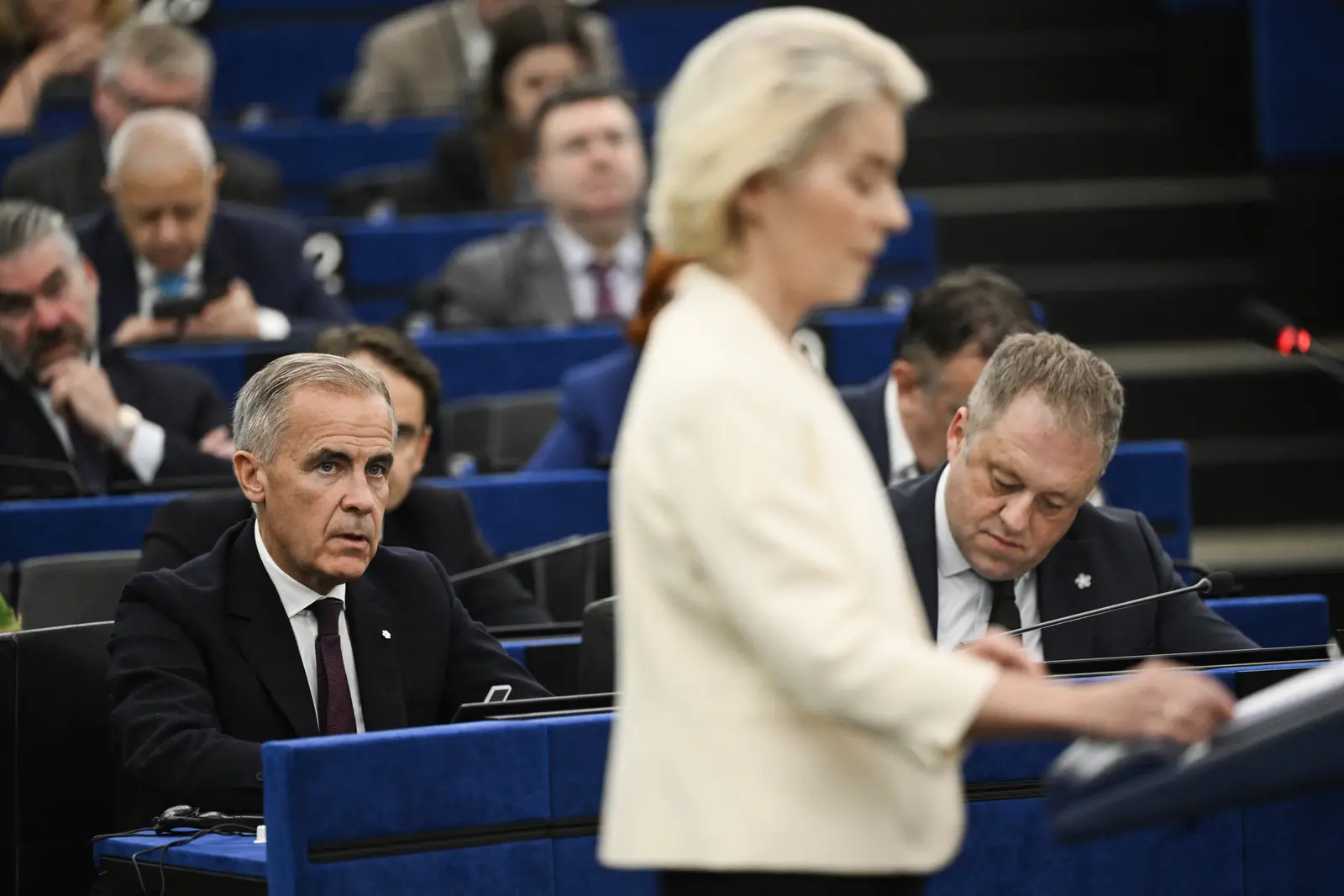
Urgent Calls for Regulatory Action
Prominent artificial intelligence researcher Yoshua Bengio has issued a stark warning. He states that society is approaching a critical inflection point. This moment resembles the sudden onset of the global pandemic. Governments must act immediately to protect the public. The warning highlights the urgent need for regulatory intervention. Inaction could lead to severe societal consequences.
Latest news
 IMF Cuts Australia Growth Forecast Amid Rate Hike Warnings
 Nicaraguan Exile Journalist Luis Galeano Detained by U.S. ICE in Florida
 Congress Passes Bill Granting Trump Expanded Sanctions Authority
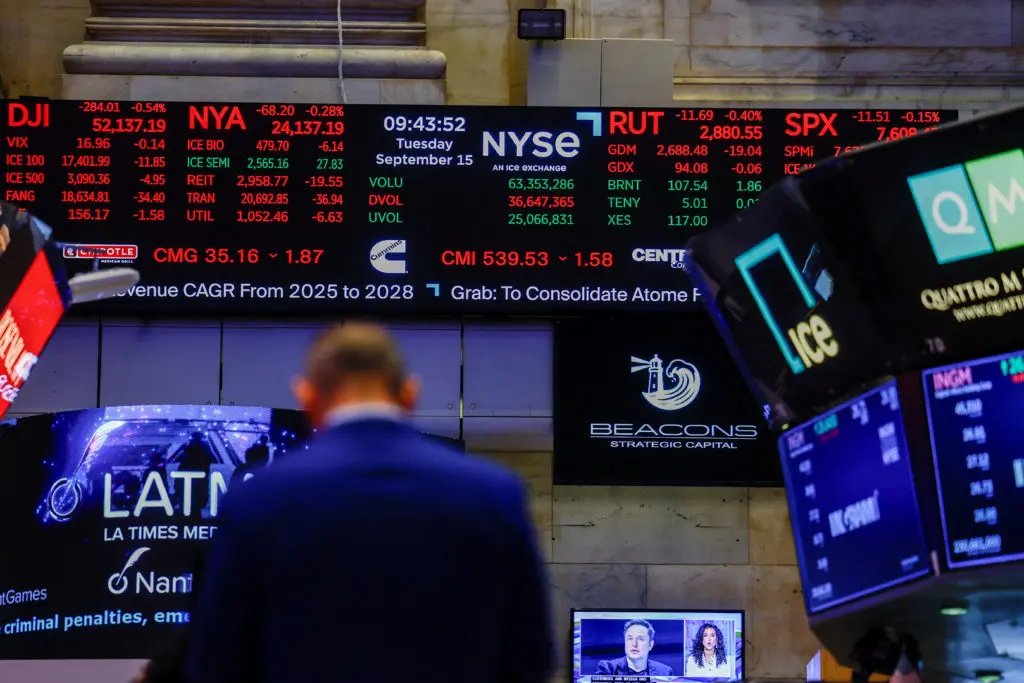 U.S. Stocks Slide After Fed Hike, With More Increases Likely Ahead
Bengio is widely recognized as one of the founding figures in modern AI. His concerns focus on the rapid acceleration of technological capabilities. He argues that current safety measures are insufficient. The pace of development outstrips existing legal frameworks. This gap creates significant risks for national security and individual privacy. His comments add weight to growing calls for stricter oversight.
The warning arrives amidst a contentious political landscape. In the United States, Vice President JD Vance has dismissed recent calls for regulation. He argues that heavy-handed rules will stifle innovation. Vance believes the industry should self-police to maintain its competitive edge. This stance contrasts sharply with Bengio’s urgent plea for government involvement. The debate highlights a deep divide among policymakers.
Can Governments Keep Pace with Innovation?
In Australia, specific legislative proposals are under review. Lawmakers are considering allowing AI systems to scrape local content. This move aims to fuel domestic model training. Critics argue it lacks adequate consent mechanisms. Supporters claim it is essential for economic growth. The international nature of AI development complicates these local decisions. Data flows across borders with little oversight.
The core challenge lies in the speed of technological change. Legislative processes are often slow and bureaucratic. AI models evolve in months, not years. This mismatch leaves regulators reacting rather than anticipating. Bengio suggests that waiting for catastrophic failures is not an option. Proactive measures are necessary to mitigate potential harms.
Federal health officials have also raised concerns. They note the impact of AI on elder care systems. Automated monitoring tools may reduce human interaction. This shift raises ethical questions about dignity and safety. The sector faces resource constraints that AI aims to solve. However, the implementation speed outpaces safety protocols.
The outcome of this regulatory battle remains uncertain. Nations may adopt divergent approaches to AI governance. This could fragment the global digital market. Companies may face conflicting compliance requirements. Standardization efforts are currently lacking. The coming months will test the resolve of key leaders.
Frequently Asked Questions
Why is Yoshua Bengio warning about an inflection point? He believes the technology is reaching a stage where risks outweigh current controls. Without immediate government action, public safety could be compromised significantly.
What is JD Vance’s position on AI regulation? Vance opposes strict new regulations. He argues that excessive rules will hinder American technological leadership and innovation.
How might AI scraping laws affect Australian content? Proposed rules would allow algorithms to collect local data for training. This raises privacy concerns but aims to boost the local AI industry.