Why AI Voices Could Undermine Voter Trust
Senate Majority Leader Chuck Schumer, based in New York, has called on the Federal Communications Commission to refuse a petition from the conservative lobbying group Club for Growth. The petition would permit political campaigns to use AI‑generated voices that mimic opponents for robocalls scheduled ahead of the November midterm elections. Schumer warned that allowing such calls could distort voter information and undermine election integrity.
Latest news
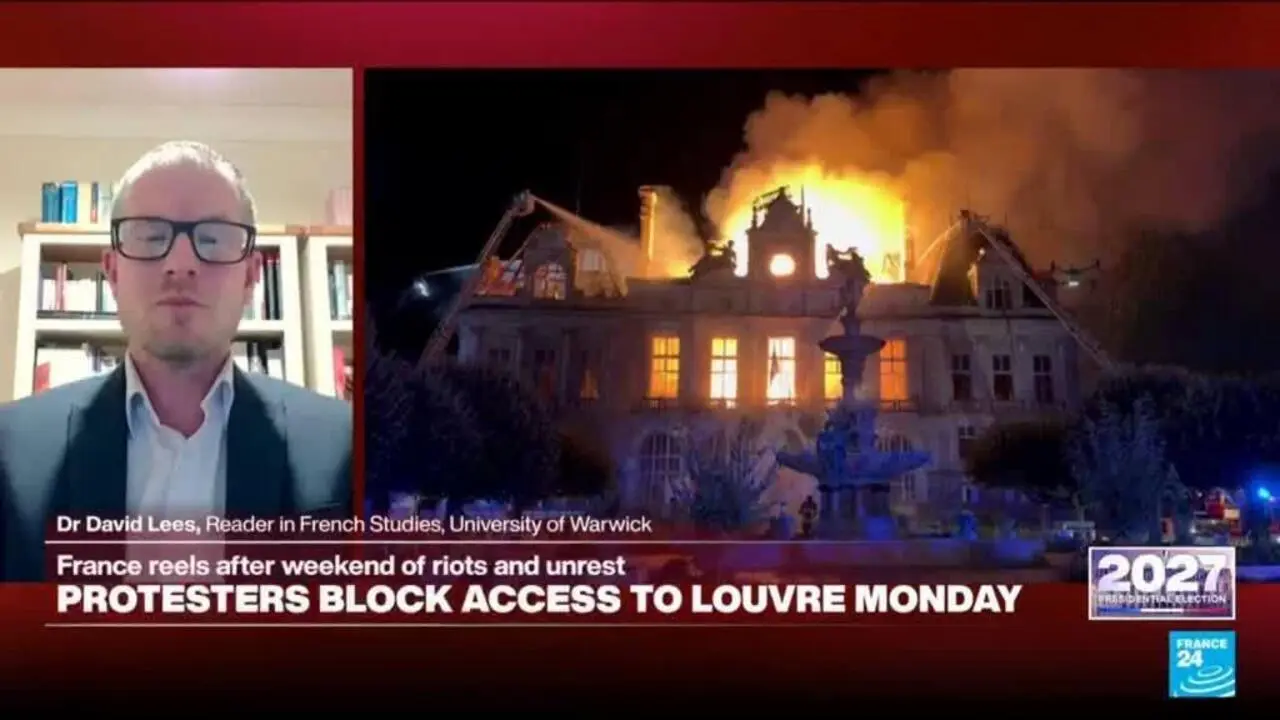
 France Imposes Curfews After Weekend Unrest
 US Extends Residency Protections for Ukrainian and Sudanese Nationals
 Barber Praised After Intervening in Attack on Politician
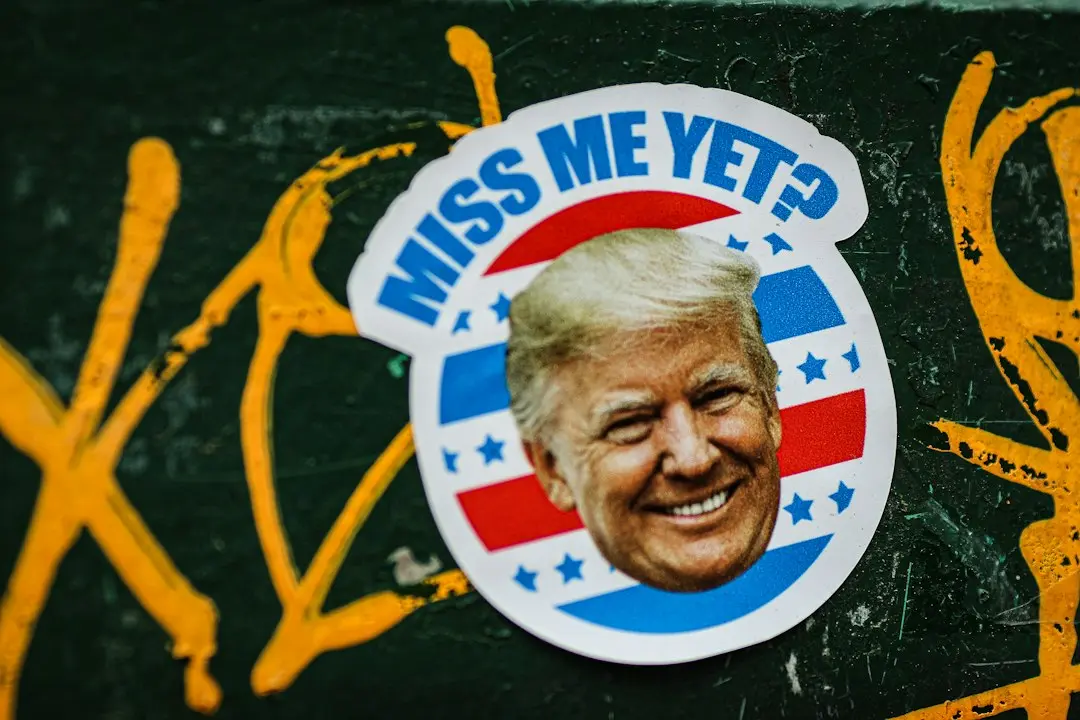 Trump and Vance Link French Civil Unrest to Immigration Policies
The request from Club for Growth seeks to amend the FCC’s rules on political robocalls. If approved, candidates could deploy synthetic audio that sounds like a rival, potentially spreading misinformation or influencing voter perception without clear disclosure. Schumer argued that the technology is too new for adequate safeguards and that the FCC should err on the side of caution. He emphasized that the midterm elections are a critical moment for democratic engagement, and any tool that could confuse or mislead voters must be tightly regulated.
Can the FCC Balance Innovation and Protection?
The core of the debate centers on transparency and accountability. Current regulations require political robocalls to identify the caller and the organization behind the message. AI‑generated voices could bypass these safeguards by sounding like a known public figure or opponent, making it difficult for listeners to discern the true source. This raises concerns about the potential for deceptive or manipulative messaging that could sway undecided voters.
Schumer cited examples of past election interference and the rapid advancement of voice‑cloning technology. He noted that even a short, persuasive clip could shape opinions before voters have access to reliable information. The FCC’s refusal would maintain the current framework, ensuring that all political robocalls remain clearly attributed and that voters can make informed choices.
The question remains whether the FCC can accommodate technological progress while safeguarding democratic processes. Critics of the petition argue that AI could be used for positive outreach, such as reminding voters of polling locations. Supporters claim that banning the technology stifles innovation and limits campaign communication options.
Frequently Asked Questions
In response, the FCC has stated that it will evaluate the petition’s implications carefully. They must weigh the potential benefits of AI for voter engagement against the risks of deception and misinformation. The agency’s decision will set a precedent for how emerging communication tools are regulated in the political arena.
The outcome will influence not only the upcoming midterms but also future elections. A ruling that permits AI robocalls could open the door to more sophisticated political messaging, while a rejection would reinforce existing transparency standards. As the technology evolves, the FCC’s stance will be closely monitored by both political parties and technology advocates.