The Roots of the Unrest
Thousands in Albania’s capital marched outside government buildings, demanding Prime Minister Edi Rama’s resignation. The unrest, which began on Wednesday evening, escalated into clashes that left several ministries damaged and one office set on fire.
Latest news
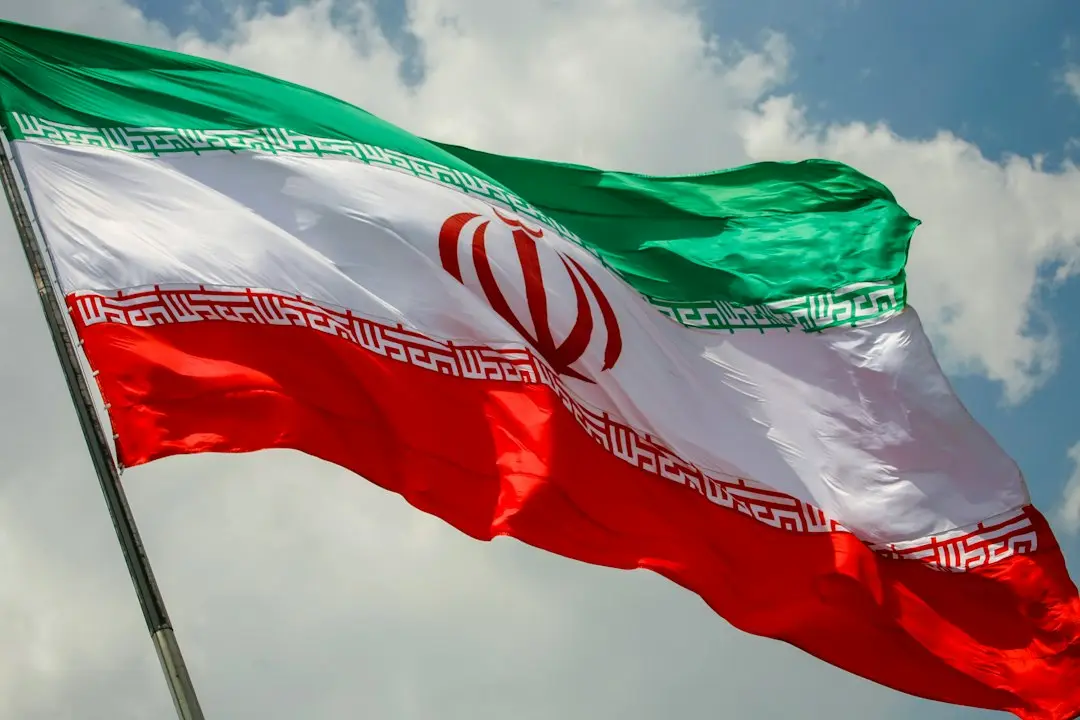 Iran Must Prepare for War Despite Ongoing Talks with US, Says Parliament Speaker
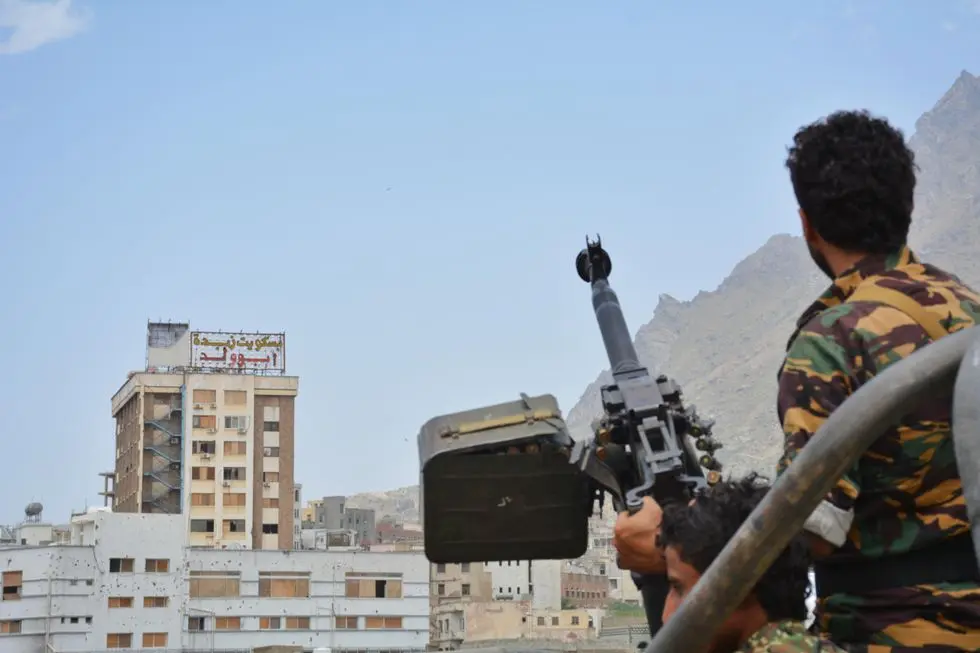 Saudi Arabia Reverses Course, Escalates Yemen Conflict After Houthi Gains
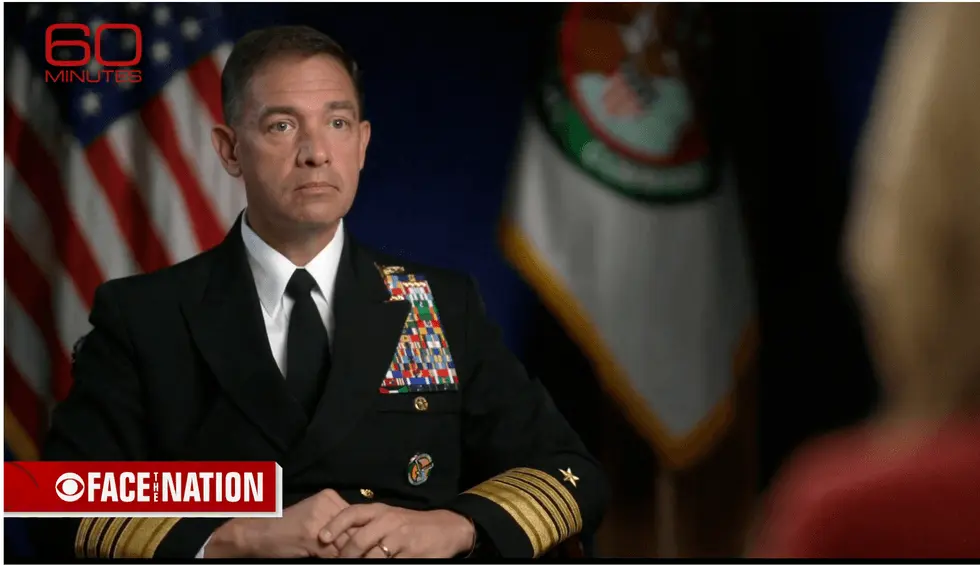 Defense Secretary Announces Major Cut to Senior Military Ranks
 MP Calls for End to Ban on Palestine Action Group Following Book Sales Dispute
The demonstrations erupted on Tuesday night and continued into Wednesday, drawing an estimated 10,000 participants. Protesters chanted slogans calling for Rama’s resignation and for reforms in the education system. The violence began when demonstrators confronted police officers guarding the Ministry of Finance. A melee broke out, and the building was set ablaze by a group of protesters.
How the Violence Escalated
The protests stem from growing frustration over alleged corruption, stagnant economic growth, and a perceived lack of transparency in government operations. Critics argue that the ruling party has failed to address rising unemployment and public debt. The call for Rama’s resignation reflects a broader sentiment that the current administration is out of touch with ordinary citizens.
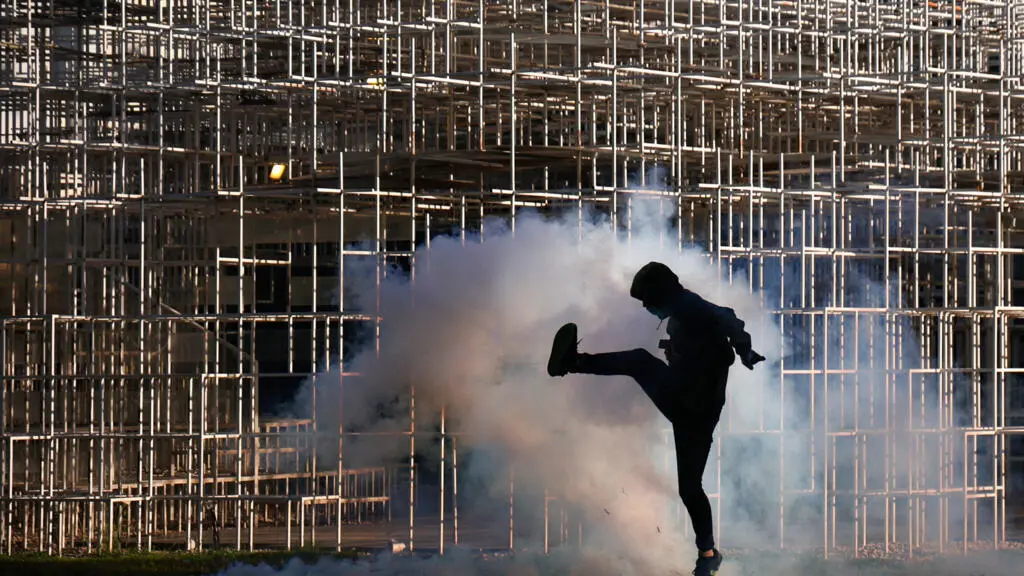
During the clashes, police deployed tear gas and rubber‑bullet rounds to disperse crowds. Several protestors were injured, and a handful of police officers sustained minor injuries. The Ministry of Finance, a key symbol of state power, suffered significant damage, with windows shattered and fire damage to the lobby.
What Happens Next?
Witnesses report that the situation deteriorated when a group of demonstrators attempted to break through police lines. The confrontation intensified as some protestors threw stones and set fire to a government vehicle parked outside the ministry. Security forces responded with a heavy presence, but the crowd’s momentum made containment difficult.
Prime Minister Rama has yet to issue a formal statement. However, opposition leaders have seized the moment to call for a national dialogue and a re‑evaluation of the current political agenda. The protests have also drawn attention to the need for reforms in the education sector, which many participants cited as a critical issue.
The Albanian government faces mounting pressure to respond. Opposition parties are demanding a cabinet reshuffle and the resignation of key ministers. International observers caution that continued unrest could destabilise the region and undermine investor confidence.
Frequently Asked Questions
The unrest has already disrupted government operations, with several ministries temporarily closed. The next days will likely see intensified negotiations between the ruling party and opposition groups, as well as a possible deployment of additional security forces to prevent further escalation.
Q: Has the government taken any immediate action? A: The prime minister has called for a national dialogue, but no formal resignation or cabinet changes have been announced yet.