Escalating Tensions
Bolivian police violently dispersed large demonstrations in La Paz during May and June. Hundreds of protesters were arrested. Many more sustained injuries. This marked a significant escalation in the ongoing conflict between the government and its citizens.
Latest news
 Swedish Voters Choose New Parliament as Left-Wing Coalition Projects to Win Majority
 Trump Announces End of US Tariff on Irish Whisky
 Frances Stonor Saunders, Author of CIA Cultural Espionage Exposé, Dies at 66
 Israel and Lebanon to Hold Security Talks in Rome This October
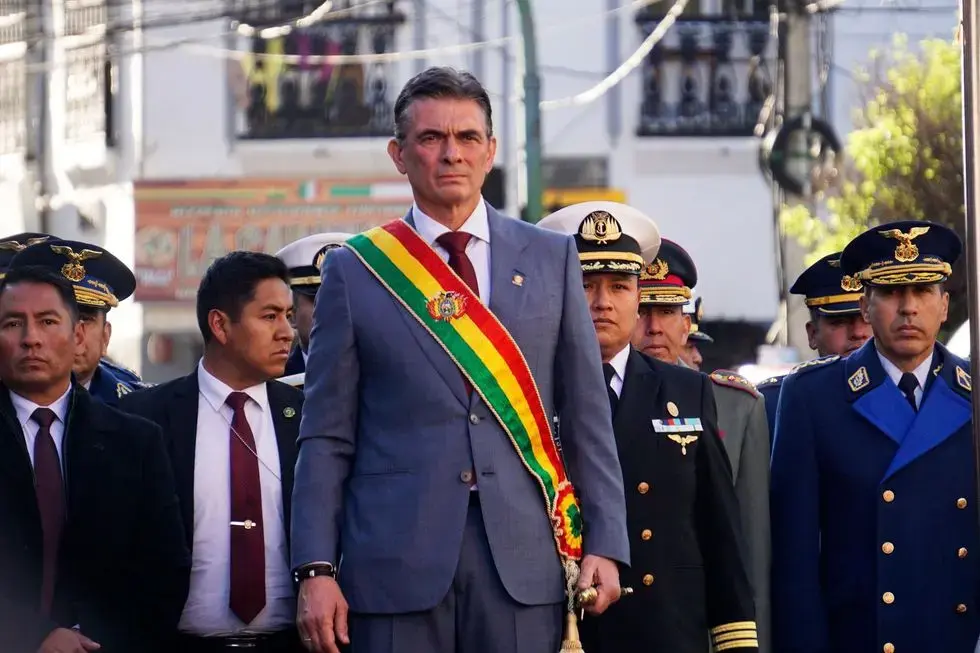
The crackdown followed over 50 days of continuous protests. Demonstrators demanded the resignation of President Rodrigo Paz. His administration took office late last year. The government's response has become increasingly forceful.
The confrontations in the capital city have been particularly intense. Police used tear gas and rubber bullets against the crowds. Eyewitnesses reported scenes of chaos and widespread panic. The sheer number of arrests highlights the severity of the government's response.
What is Fueling the Public Outcry?
Many of those detained reported harsh treatment. Human rights groups have expressed serious concerns. They are calling for an independent investigation into police conduct. The government, however, defends its actions as necessary to maintain order.
The protests stem from deep dissatisfaction with President Paz's government. Specific grievances include economic policies and alleged corruption. Citizens feel their voices are not being heard. The demand for the president's resignation has grown louder with each passing week.
The government maintains that the protests are politically motivated. They accuse opposition groups of inciting unrest. This narrative further divides the nation. The cycle of protest and repression shows no signs of abating.
Frequently Asked Questions
The situation remains highly volatile. Further clashes are anticipated. The long-term stability of Bolivia is now in question. A resolution seems distant as both sides dig in.
What sparked the recent wave of protests? The protests began over two months ago, driven by public dissatisfaction with President Rodrigo Paz's government. Citizens are demanding his resignation due to various grievances, including economic concerns and allegations of corruption.
How has the government responded to the demonstrations? The Bolivian police have responded with force, violently dispersing protests in La Paz. This has led to hundreds of arrests and numerous injuries among the demonstrators, drawing criticism from human rights organizations.