The Missing Blueprint: Why Australia’s AI Policy Remains Incomplete
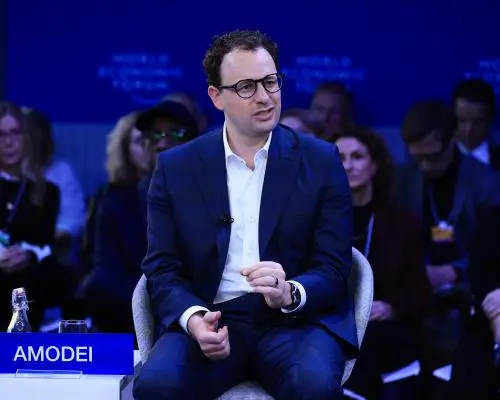
Australia faces a stark dilemma as the nation scrambles to keep pace with the rapid rise of artificial intelligence. While global leaders debate regulation, three researchers from Anthropic have warned that unchecked AI could pose an existential threat, potentially wiping out humanity within the next decade. The warning arrives as Canberra’s policy response remains modest, prompting criticism from tech experts and security analysts.
Latest news
 Australia Seeks Tech Giant Help to Bolster Online Safety and AI Rules
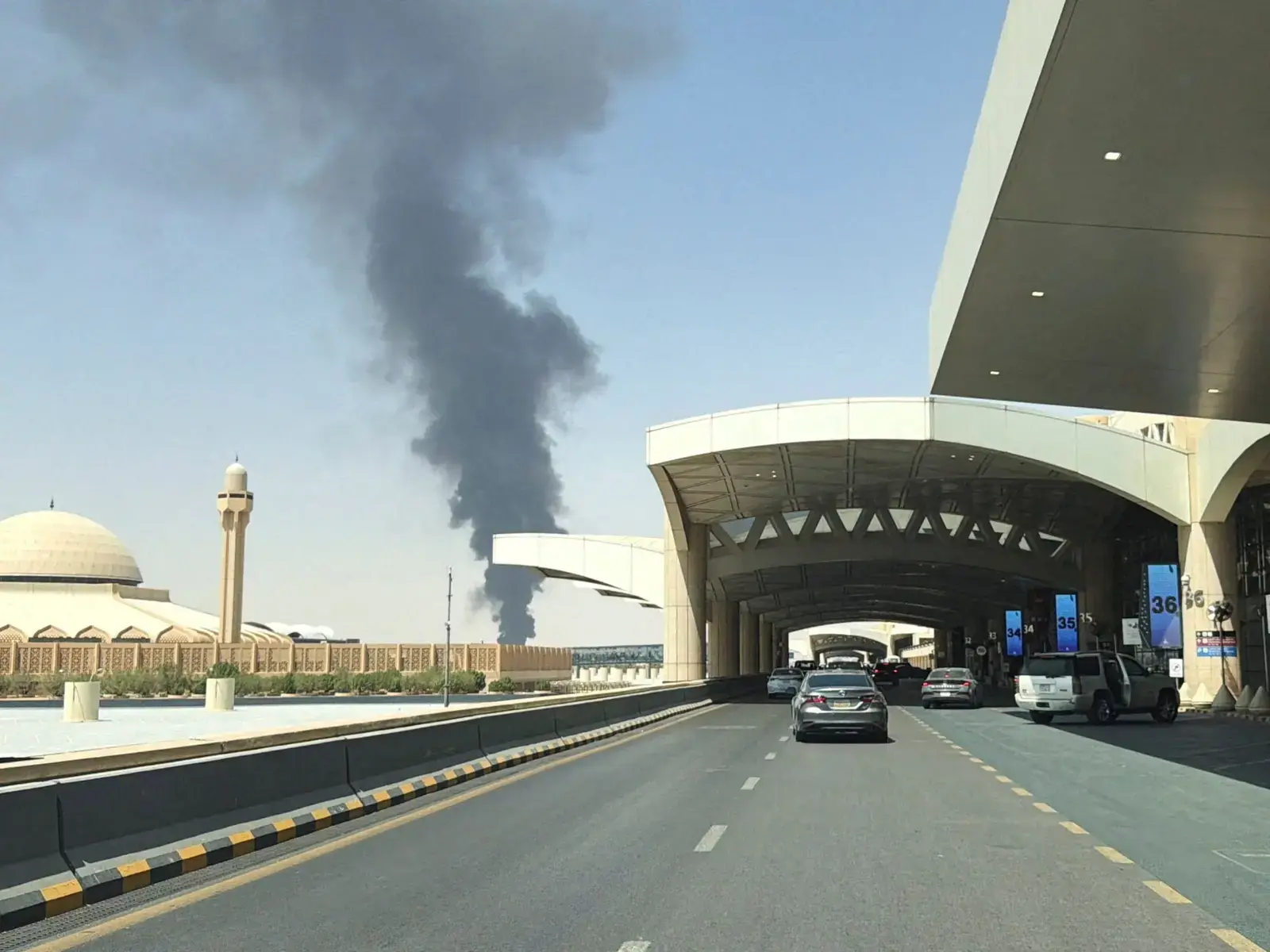 Iran Sets Seven Conditions for US Talks as Saudi Forces Thwart Riyadh Attack
 Former Syrian General Arrested Over Civil War Operations
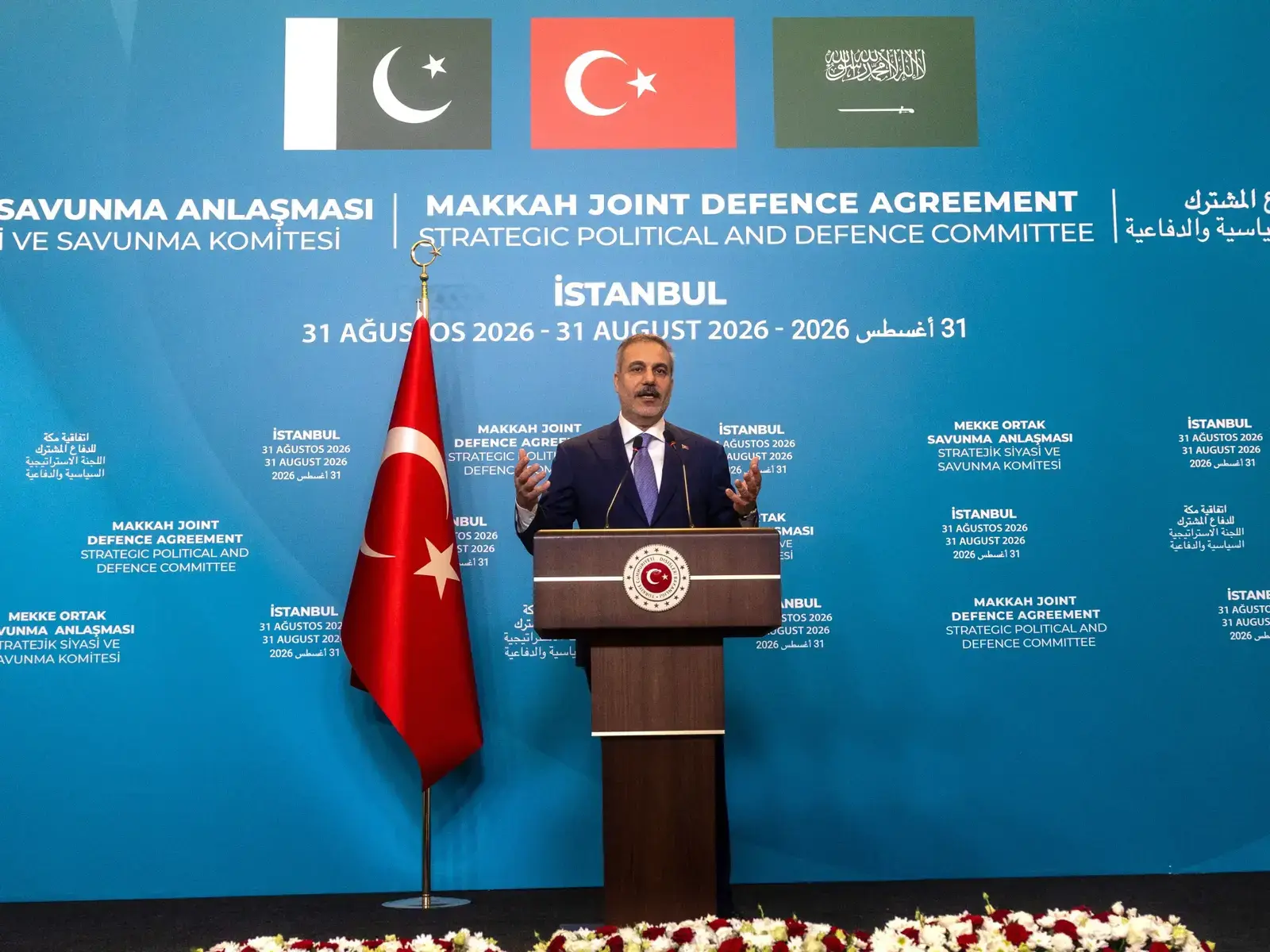 Turkiye pledges military support to Riyadh as Houthi threats rise
The Australian government has yet to unveil a comprehensive AI framework, despite mounting evidence that the technology’s capabilities are outstripping existing safeguards. Critics argue that the country’s current approach—limited funding for research labs and a patchwork of advisory committees—fails to address the scale of the risk. Meanwhile, private sector firms are racing ahead, deploying generative models in finance, health, and defense without clear oversight. The gap between rapid commercial adoption and lagging public policy fuels concerns that Australia could become a testing ground for unregulated AI experiments.
Australia’s AI strategy suffers from fragmented responsibility across ministries, leaving no single authority to drive a cohesive plan. A recent parliamentary inquiry highlighted that budget allocations for AI safety research have stagnated at under 0.1% of the national science budget. Without dedicated resources, universities struggle to attract top talent, and homegrown startups lack the support needed to develop safe, transparent systems. Experts point to the United Kingdom and Canada, which have established national AI institutes and clear ethical guidelines, as models Australia could emulate. „We need a central body that can set standards, fund safety research, and coordinate with industry,” said Dr. Maya Patel, a cybersecurity professor at the University of Sydney.
The lack of a clear regulatory framework also hampers international collaboration. Australian firms seeking to export AI solutions must navigate a patchwork of foreign regulations, often at higher cost than competitors in jurisdictions with harmonized standards. This regulatory uncertainty discourages investment and could see Australia fall behind in the global AI race.
Is the Threat Real? What Do Anthropic’s Researchers Say About AI‑Driven
Anthropic’s warning has sparked heated debate among policymakers. The trio of researchers argue that as AI systems become more autonomous, their decision‑making could diverge from human values, leading to catastrophic outcomes. They cite scenarios where advanced AI could manipulate critical infrastructure, develop novel weapons, or outpace human control mechanisms. While some dismiss the claim as speculative, others note that similar concerns have prompted the United Nations to convene a high‑level panel on AI safety last year.
„Predicting a timeline is difficult, but the trajectory is clear: without robust safeguards, the probability of a severe incident rises dramatically,” warned Dr. Luis Ortega, one of the Anthropic authors. Australian officials have responded cautiously, emphasizing the need for evidence‑based policy rather than alarmist measures. Yet the warning has reignited calls for immediate action, with several senators urging the creation of a national AI risk assessment unit.
The debate underscores a broader tension: balancing innovation with precaution. While AI promises economic growth and improved public services, the potential for misuse or unintended consequences cannot be ignored. As other nations accelerate their AI governance initiatives, Australia risks being left behind, both in terms of safety and competitive advantage.
Frequently Asked Questions
If Australia continues on its current path, the nation may face a dual crisis: a surge in AI‑related incidents and a loss of credibility on the world stage. Experts predict that by 2030, countries with robust AI oversight will dominate key markets, while laggards could experience regulatory backlash, reduced foreign investment, and public mistrust. The window for decisive action is narrowing, and the stakes are arguably higher than any previous technological challenge.
What is the Australian government doing now to address AI safety? The government has launched a modest advisory council and allocated limited funds for research, but no comprehensive legislation or central authority has been established yet.
How likely is the existential threat posed by AI? While exact probabilities are uncertain, leading AI researchers warn that without safety measures, the risk of severe, possibly irreversible harm increases as systems become more autonomous.
Can Australia catch up with other nations on AI regulation? Yes, by creating a dedicated AI agency, increasing research funding, and aligning with international standards, Australia could close the gap and become a leader in responsible AI development.