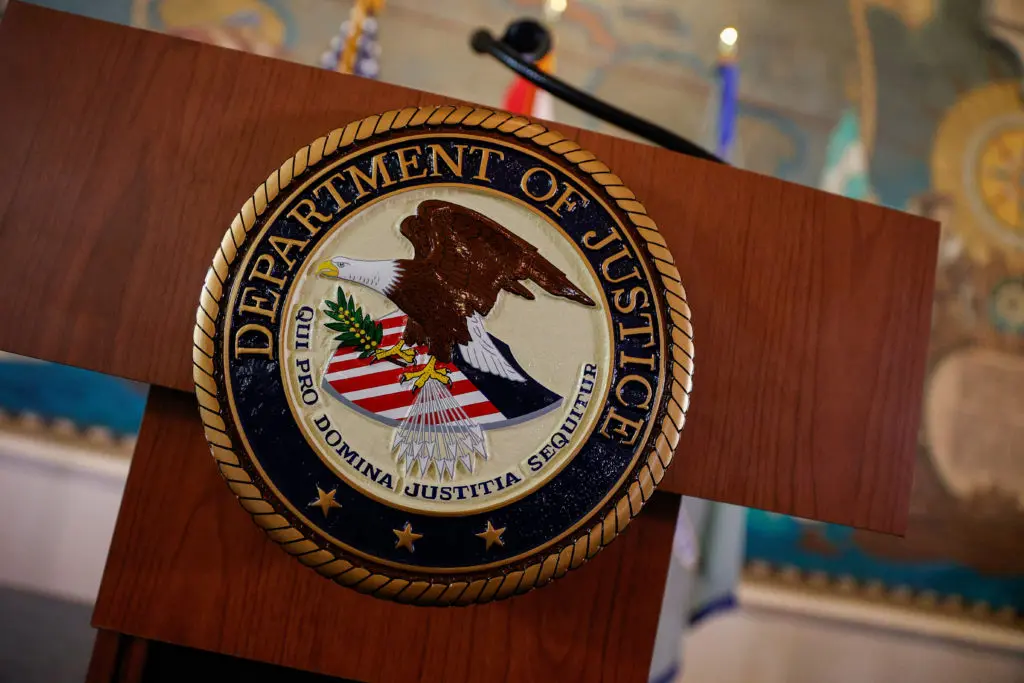
Targeted Probes and Their Political Ripple
The Justice Department’s top prosecutor, U. S. Attorney Caroline Blanche, has sparked alarm among legal scholars just five weeks before the midterm elections. Critics argue her recent public statements and selective investigations undermine the department’s long‑standing independence, raising concerns about the fairness of upcoming contests.
Latest news
 US Officials Question Bail Decisions Following Security Breach at RAF Fairford
 Eighty-Seven-Year-Old Evicted Tenant Set to Return Home
 Argentina Threatens Legal Action Over Falklands Oil Drilling
 Rights Advocates Condemn Alleged Vietnamese Abductions
Blanche, appointed by the current administration, has intensified scrutiny of several opposition‑aligned state election boards while downplaying similar inquiries into allies of the ruling party. Her office released a memo last week urging „vigilant enforcement” of voting‑law violations, a move seen by many as a direct foray into partisan politics. Legal experts point to a pattern of timing and target selection that deviates from the DOJ’s historically impartial stance, suggesting the agency is being weaponized to influence electoral outcomes.
Since June, Blanche’s team has opened investigations into three swing‑state election officials accused of mishandling absentee ballots. The probes have led to subpoenas, public hearings, and a surge in media coverage that favors the incumbent party’s narrative of fraud. Meanwhile, comparable allegations against officials in red‑leaning states have received little attention, prompting accusations of double standards. „The DOJ is supposed to be the bulwark against partisan abuse, not a participant in it,” said Professor Elena Morales of Georgetown Law. She added that the timing—so close to the November vote—could sway public perception and voter confidence.
Is the Justice Department Becoming a Political Tool?
Data from the Federal Election Commission shows a 27 % rise in complaints filed against election officials in the states under investigation, compared with a 5 % rise nationwide. Blanche’s office cited these numbers as justification for its aggressive stance, but opponents argue the statistics are being cherry‑picked to create a narrative of widespread misconduct.
The question on many minds is whether Blanche’s actions represent a strategic shift or an isolated lapse in judgment. Former DOJ officials warn that once the department’s impartiality is questioned, restoring trust will be difficult. „We risk eroding the very foundation of our legal system if the DOJ is seen as an arm of the party in power,” noted former Deputy Attorney General Mark Leland. Critics also highlight that the Attorney General has yet to issue a clear directive reaffirming the department’s nonpartisan mission, leaving Blanche’s approach unchecked.
The fallout could be significant. Voter confidence may dip in key battlegrounds, potentially depressing turnout. Congressional oversight committees have signaled intent to hold hearings on the matter, and several bipartisan senators have called for an independent review of the DOJ’s recent actions.
Frequently Asked Questions
What authority does the U. S. Attorney have to launch investigations? A U. S. Attorney can initiate probes into alleged federal crimes within their district, but they must follow established protocols and avoid political bias.
Can the DOJ’s actions be challenged in court? Yes, parties can file motions to dismiss or seek injunctions if they believe investigations are politically motivated or lack legal basis.
What steps could restore confidence in the DOJ’s independence? Possible measures include a public reaffirmation of nonpartisanship by the Attorney General, oversight hearings, and an independent review of recent investigations.