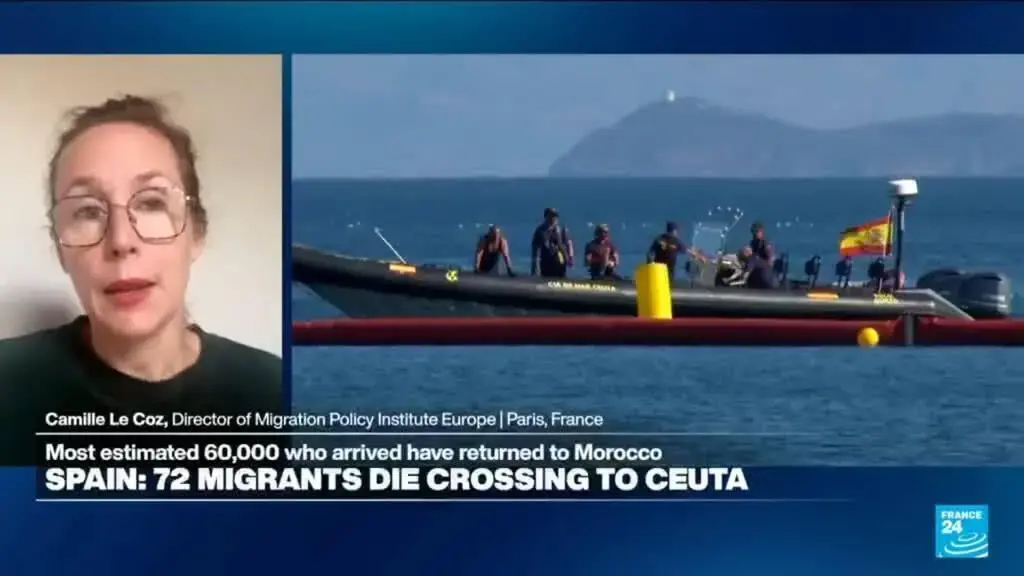
Orchestrating the Narrative of Invasion
The recent surge of migrants attempting to cross into Ceuta has ignited a fierce debate across European political circles. Analysts argue that the crisis is being weaponized to craft a narrative of a continent under siege. This strategy aims to shift public perception regarding border security and migration management policies.
Latest news
 Anthropic Announces $31 Billion Data Centre Deal in Western Queensland
 Veteran Journalist Hugh Riminton Announces Retirement After Nearly Five Decades
 How the 1980s Permanently Shaped America
 Victorian Police Gain Random Stop-and-Search Powers Under New Jacks Law
Observers suggest that the imagery coming from the Spanish enclave is being carefully curated for political gain. By framing the arrival of individuals as an existential threat, certain factions aim to consolidate voter support. This tactic transforms a humanitarian challenge into a calculated performance designed to influence domestic and continental agendas.
Experts in migration policy note that the scale of the crisis is often exaggerated to suit specific political ends. The focus remains on creating a sense of urgency and vulnerability among the European public. This approach diverts attention away from long-term structural solutions for migration.
Is the Crisis Being Used to Manipulate Public Opinion?
Instead of addressing the root causes of displacement, the discourse centers on defensive measures and physical barriers. Critics warn that this portrayal fosters fear rather than constructive policy dialogue. The goal appears to be the normalization of restrictive border practices under the guise of national security.
The manipulation of these events has profound implications for how Europe manages its external borders. By casting migrants as tools in a geopolitical game, the humanity of those involved is frequently ignored. This rhetoric complicates diplomatic relations between neighboring nations and deepens internal divisions within the European Union.
Frequently Asked Questions
The long-term consequences of this political theater could be severe for democratic discourse. If migration continues to be presented as an attack, the space for balanced and compassionate policy-making will likely shrink. Future stability depends on moving past these performative narratives toward sustainable, evidence-based cooperation.
What is the primary criticism regarding the Ceuta migrant crisis? Critics argue that the crisis is being exploited as political theater to portray Europe as being under attack. This framing is seen as a deliberate attempt to manipulate public opinion and push restrictive agendas.
How does this political framing affect migration policy? By focusing on the narrative of an invasion, policymakers often prioritize defensive measures over long-term solutions. This approach limits the ability to address the root causes of migration and creates a polarized environment for debate.