The Trump Factor in Regional Politics
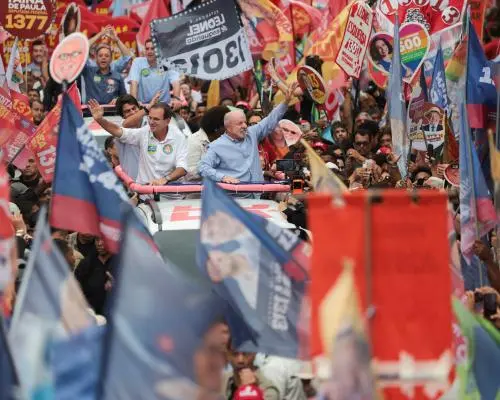
Brazil heads to the polls this Sunday in a high-stakes presidential race that serves as a litmus test for the region's conservative movement. Leftist candidate Luiz Inácio Lula da Silva faces off against the son of a prominent far-right former president, highlighting a deep ideological divide currently gripping Latin American politics.
Latest news
 Housing Crisis Threatens Spanish Government Stability
 Spaniards Demand Urgent Action Amid Mounting Housing Crisis
 Andy Burnham Wins Praise From Labour Voters Following Emotional Address
 One Nation launches Victorian election campaign with controversial policy pledges
This election occurs as Donald Trump actively promotes a coalition of right-wing leaders across the continent. Following his September address to the United Nations, the former president claimed a string of electoral successes for his ideological allies. He boasted that candidates he endorsed had secured victory in seven consecutive regional presidential contests.
Trump’s influence has become a central theme for conservative campaigns throughout the hemisphere. By framing these national elections as part of a broader ideological shift, his supporters aim to consolidate power. The results in Brazil will determine if this wave of right-wing electoral victories can maintain its momentum or if voters are shifting back toward traditional left-leaning platforms.
Will the Right-Wing Winning Streak End?
The contest is not merely a local affair but a symbolic battle for the future of South American governance. Supporters of the conservative movement view the Brazilian election as a vital defensive line. Meanwhile, critics argue that the influence of external political figures distorts domestic policy debates and polarizes the electorate further.
The outcome remains highly uncertain as both camps mobilize their respective bases. If the leftist candidate succeeds, it would represent a significant setback for the regional right-wing bloc. A victory for the conservative challenger, however, would validate the strategy of aligning with international populist movements and solidify their control over key South American nations.
Frequently Asked Questions
The results will likely dictate the diplomatic trajectory of the region for the coming years. As the polls open, the international community is watching closely to see if the recent trend of conservative dominance holds steady or faces a definitive rejection from the Brazilian public.
What is the significance of the Brazilian election for the region? It serves as a critical indicator of whether the recent trend of right-wing electoral victories in Latin America will continue or be reversed. The outcome will influence the political alignment of the continent's largest economy.
How has Donald Trump influenced these elections? Trump has actively endorsed right-wing candidates across Latin America and framed their successes as part of a unified regional movement. His public support has become a key point of contention in local political discourse.