How Can Sovereign Nations Protect Their Electoral Processes from External
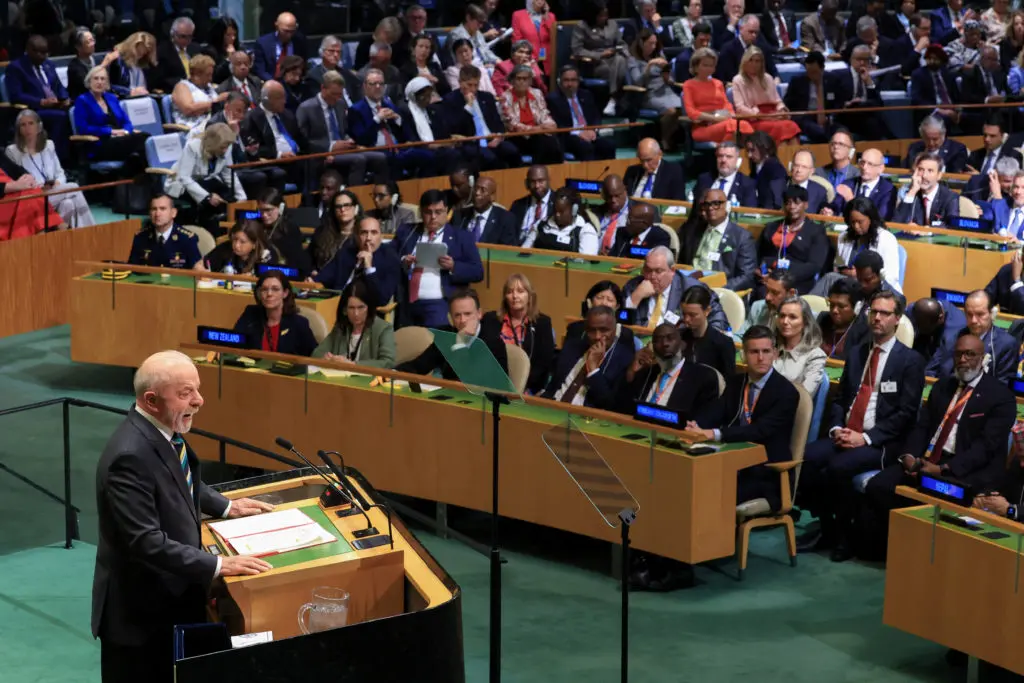
Brazilian President Luiz Inácio Lula da Silva warned on Tuesday that foreign powers must not interfere in the electoral processes of sovereign nations, emphasizing that such actions undermine democracy and national self-determination. Speaking during a press briefing in Brasília, Lula urged world leaders to take responsibility for addressing ongoing global conflicts, criticizing the international community’s failure to prevent wars and humanitarian crises. His remarks came amid rising concerns about external influence in elections across Latin America and beyond, as well as escalating tensions in regions like Ukraine and Gaza.
Latest news
 President Trump Declares Force the Path to Peace at UN Assembly
 China’s Clean Energy Exports Surge Amid Iran Conflict, Boosting Xi’s Leverage in U.S. Talks
 Carney Commits $100 Million to Palestinian Aid at
 Family Claims Neglect Led to Death of Costa Rican Detainee in ICE Custody
Lula stressed that no country should accept external pressure or manipulation during elections, whether through disinformation campaigns, financial support to favored candidates, or cyber operations. He pointed to historical examples where foreign intervention led to instability and called for stronger regional cooperation to safeguard democratic institutions. The Brazilian leader also criticized the United Nations and other global bodies for failing to act decisively in preventing conflicts, arguing that their inaction has allowed violence to persist and civilians to suffer. He urged leaders to move beyond rhetoric and commit to concrete diplomatic efforts aimed at de-escalation and peacebuilding.
What Responsibility Do Global Leaders Have in Preventing Wars?
Lula advocated for regional agreements among South American countries to share intelligence on disinformation tactics and cyber threats targeting elections. He proposed creating a joint monitoring mechanism under regional blocs like Mercosur to detect and counter foreign interference in real time. The president also emphasized the importance of media literacy programs and transparent campaign financing laws as essential defenses. He noted that Brazil has already strengthened its electoral justice system to investigate and sanction illegal foreign funding, setting an example for others to follow.
Lula questioned why powerful nations continue to prioritize military alliances over preventive diplomacy, arguing that early intervention could have avoided many current crises. He called for reforming the UN Security Council to make it more representative and effective, suggesting that permanent members should not hold veto power when mass atrocities are occurring. The Brazilian president urged wealthy countries to increase funding for conflict prevention and humanitarian aid, insisting that peace is not achieved through arms sales but through dialogue and justice. He warned that ignoring root causes like inequality and oppression only fuels future violence.
What specific actions did Lula propose to stop foreign election interference? Lula suggested creating a regional intelligence-sharing mechanism among South American nations to detect disinformation and cyber threats, along with strengthening national laws on campaign finance and media transparency.
Frequently Asked Questions
Why does Lula believe the international community has failed to prevent wars? He argues that global institutions like the UN have not acted decisively due to political divisions and veto powers, allowing conflicts to escalate without sufficient preventive or peacekeeping measures.
How does Lula connect election integrity to global peace? Lula sees democratic legitimacy as foundational to stable governance, asserting that externally influenced elections lead to illegitimate governments that are more likely to provoke or fail to resolve conflicts.