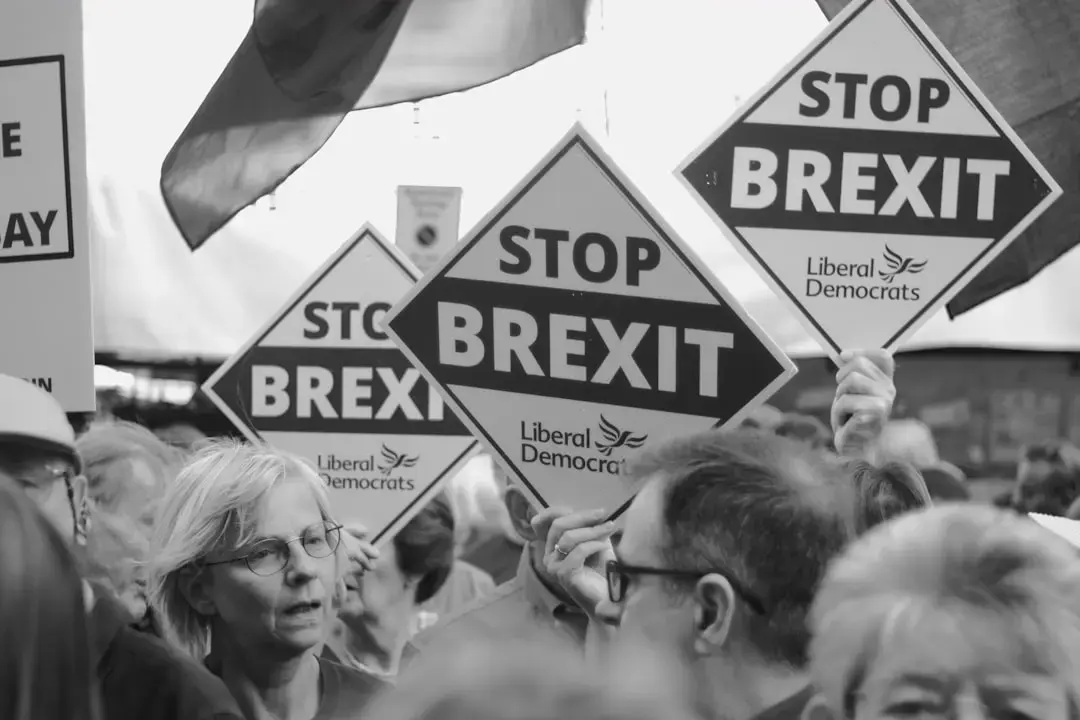
A Shift in Economic Power
It's been a decade since the United Kingdom voted to leave the European Union, a decision that was meant to take back controlof immigration and free up more money for the country. On June 23, 2016, the UK's future was forever changed, and the consequences of this decision are still being felt today.
Latest news
 Ukraine Strikes Persist While Russian Polling Stations Open for Election
 Macron Calls French Party Leaders Together as Energy Costs Surge Amid Iran and Ukraine Conflicts
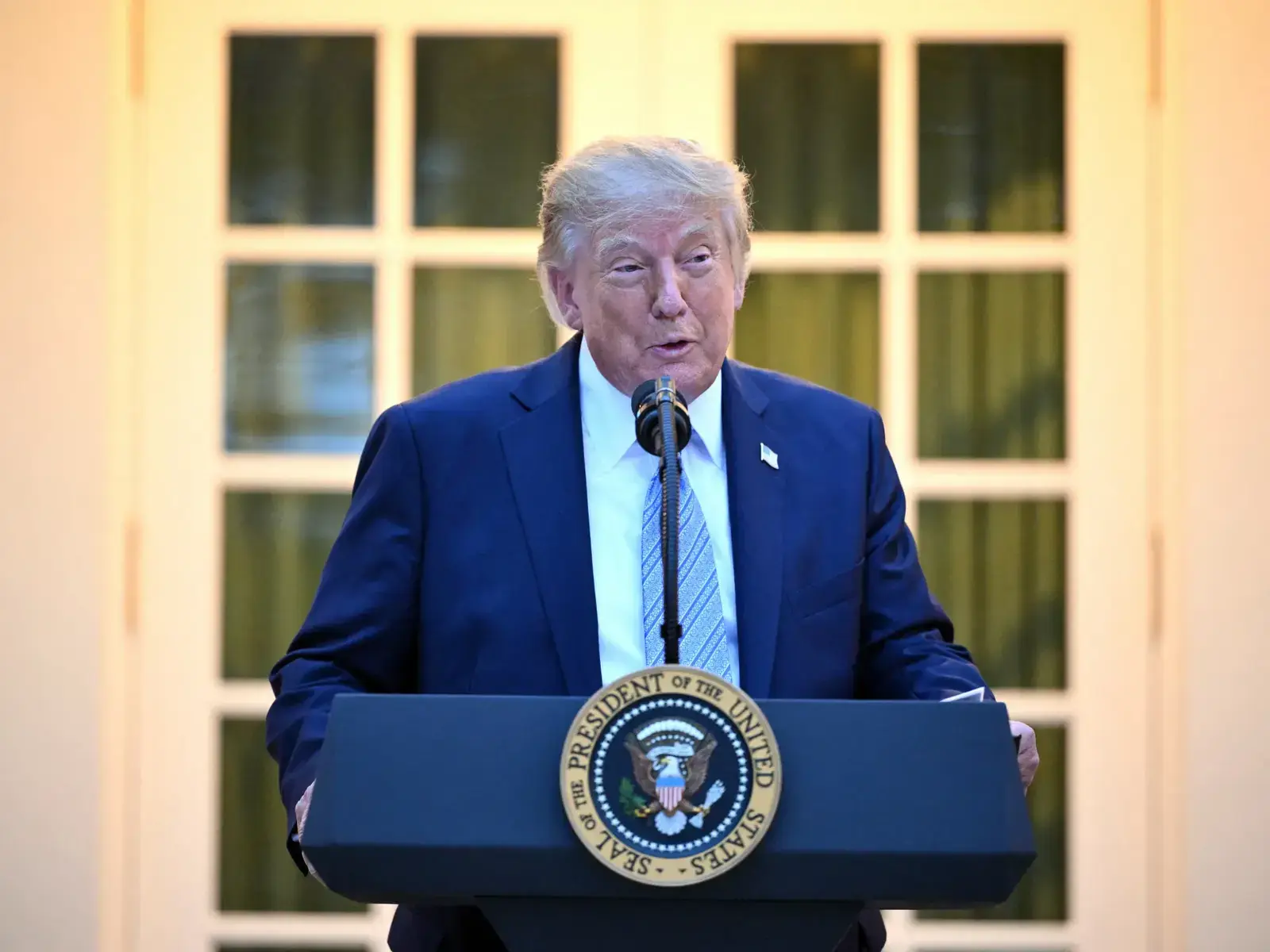 US Voters Oppose War on Iran, 71% Say Trump Administration Lacks Strategy
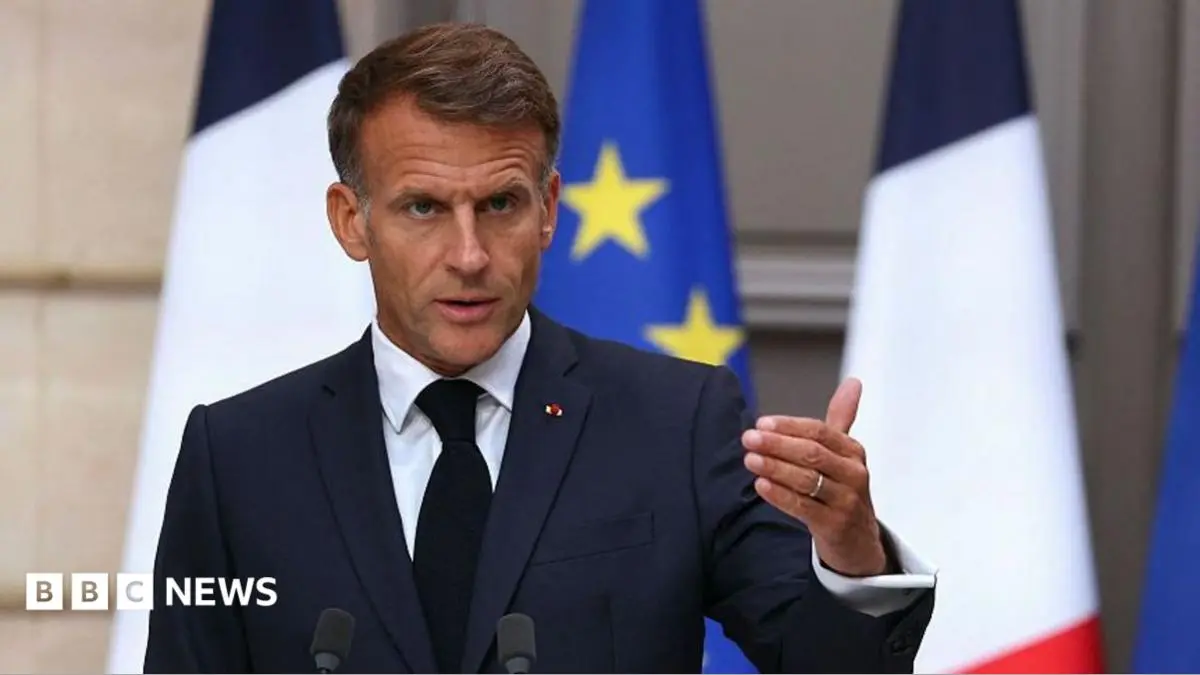 French President Warns of Rising Russian Hybrid Threats to Europe
The Brexit vote was a surprise to many, with 51.9% of voters choosing to leave the EU. The decision was met with both excitement and anxiety, as the UK's economy and politics began to shift in ways both big and small. The country's economy was particularly affected, with the pound sterling experiencing a significant decline in value.
The UK's economy has undergone significant changes since the Brexit vote. According to data from the Office for National Statistics, the country's GDP has grown at a slower rate than expected, with some quarters showing a decline in economic activity. The value of the pound has also continued to fluctuate, making imports more expensive and potentially impacting inflation.
What's Next for the UK's Relationship with the EU?
The Brexit vote has also led to a shift in the UK's trade relationships, with the country negotiating new deals with countries around the world. The UK has signed trade agreements with countries such as Australia, New Zealand, and Japan, but the impact of these deals on the country's economy is still unclear.
As the UK continues to navigate its new relationship with the EU, many questions remain about the country's future. Will the UK remain a close ally of the EU, or will it forge its own path? The answer to this question will depend on a variety of factors, including the outcome of upcoming elections and the continued negotiations between the UK and the EU.
One thing is certain, however: the UK's relationship with the EU will continue to evolve in the coming years. The country will need to balance its desire for independence with the need to maintain strong trade relationships with its European neighbors.
A New Era for the UK's Politics
The Brexit vote has also had a significant impact on the UK's politics. The Conservative Party, which was in power at the time of the vote, has been replaced by a new government led by Prime Minister Rishi Sunak. The Labour Party, which opposed Brexit, has also seen a shift in leadership, with Keir Starmer taking the reins as party leader.
The UK's politics have become increasingly divided since the Brexit vote, with some politicians advocating for a harder Brexit and others pushing for a closer relationship with the EU. This division has led to a number of challenges for the country, including a hung parliament and ongoing debates about the country's future.
Frequently Asked Questions