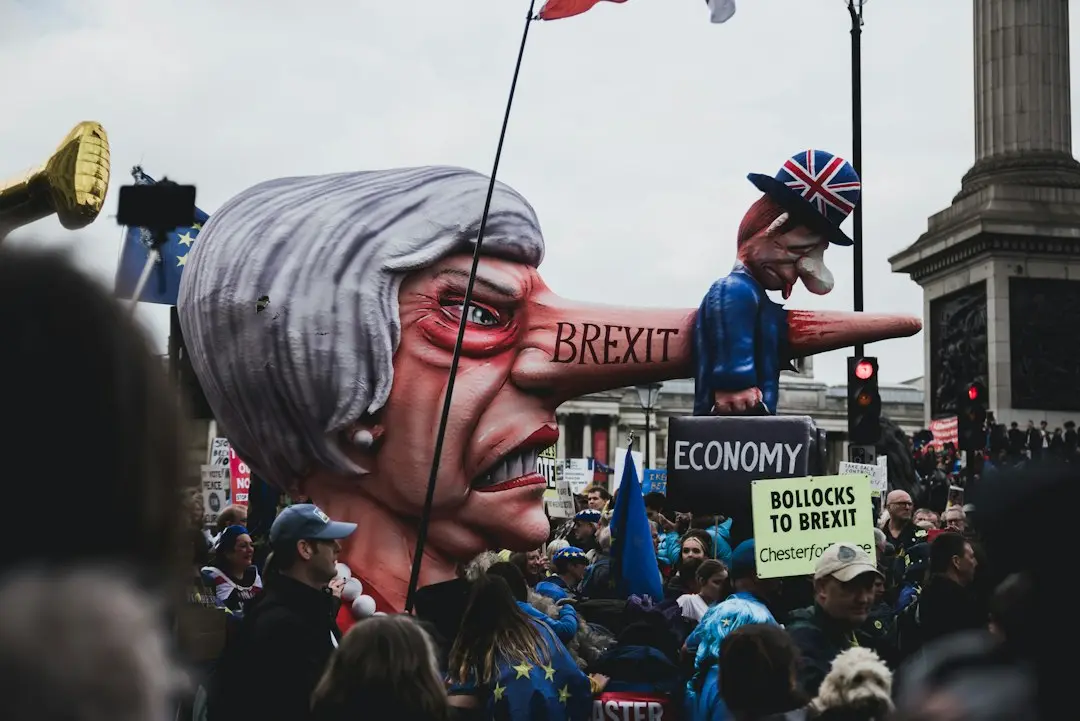
Burnham’s Call for Reconsideration
London, October 16, 2026. The debate over Britain’s relationship with Europe has returned to the forefront of political discourse. Former Manchester Mayor Andy Burnham recently reignited the conversation regarding the UK’s future ties with the continent. This move has triggered a wave of renewed speculation among lawmakers and analysts. The timing suggests a significant shift in the political landscape surrounding post-Brexit policy discussions.
Latest news
 US Steel Prices Surge to Four‑Year Peak Amid Trump Tariffs
 Wall Street's AI spending spree faces growing skepticism
 Geothermal Energy Gains Rare Bipartisan Support Amid AI-Driven Power Surge
 AI Sovereignty: Europe’s Bid to Catch Up with U.S. and China
Andy Burnham’s intervention marks a notable departure from recent political silence on the issue. By reopening the Europe question, he has forced parties across the spectrum to articulate their positions. The core topics include whether the UK should join a customs union or seek full reintegration into the single market. Some voices are even suggesting a second national vote to resolve the matter definitively. This resurgence creates a sense of déjà vu for many observers who followed the intense negotiations during the previous decade.
The political atmosphere in Westminster reflects this confusion. Lawmakers find themselves revisiting arguments that were considered settled years ago. The prospect of a customs union implies aligning trade rules with Brussels, which could simplify border checks but limit independent trade deals. Conversely, single market membership would require accepting the free movement of goods, services, capital, and potentially people. These technical distinctions remain central to the ongoing friction between London and European institutions.
Is a Second Referendum Inevitable?
The mention of a second referendum adds fuel to the fire. Proponents argue that the public deserves another chance to decide their constitutional relationship with Europe. Critics counter that repeated votes may erode trust in democratic processes. The debate highlights deep divisions within the British electorate regarding sovereignty and economic integration. As political parties prepare for upcoming elections, they must now define their stances clearly. Vague positions will likely face scrutiny from both pro-Europe and pro-sovereignty voters.
Burnham’s comments have not gone unnoticed by key figures in the government and opposition. Several ministers have responded cautiously, avoiding strong commitments while acknowledging the complexity of the issue. Business leaders are watching closely, seeking clarity on regulatory frameworks that affect cross-channel trade. The uncertainty prolongs planning cycles for companies operating in both jurisdictions. Financial markets have shown mild volatility in response to the renewed political chatter.
Frequently Asked Questions
Why is Andy Burnham pushing for a change in Europe policy? Burnham believes the current arrangement has created unnecessary friction for businesses and citizens. He advocates for closer alignment with European standards to enhance economic stability. His stance challenges the prevailing consensus that the post-Brexit status quo is final.
What does joining a customs union mean for the UK? It would require the UK to adopt common external tariffs with the EU. This move would eliminate customs declarations at the border but restrict the UK’s ability to sign independent trade agreements with third countries. It represents a middle ground between full membership and complete separation.
Is a second referendum likely to happen soon? While the idea has gained traction in public discourse, it remains a long-term proposal. Political parties must first agree on specific terms before any vote can be scheduled. The current focus remains on defining the precise nature of the new relationship.