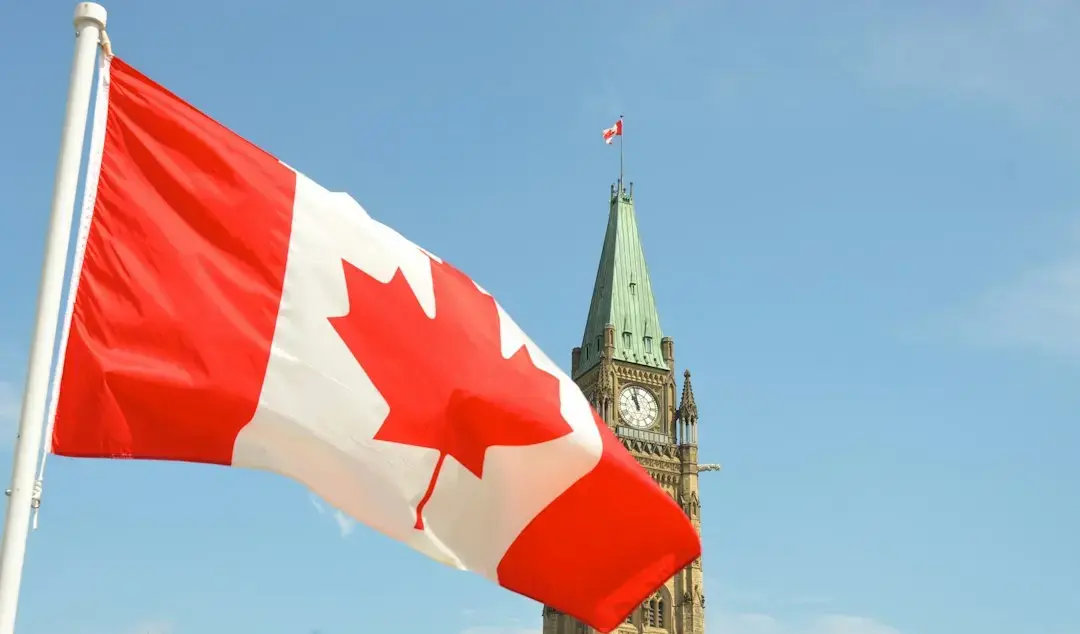
Divergent Pathways Across the Pacific Ocean
Canada is actively pursuing deeper trade relationships across Asia as economic tensions escalate with the United States. Canadian policymakers are evaluating new commercial strategic alliances this September to protect national financial interests. The pivot reflects growing anxiety over shifting American trade policies and the potential disruption to traditional North American supply chains.
Latest news
 TIME Names First-Ever Executives of the Year in Technology and Data
 Marco Rubio Spotted With Banned Media Outlets Days After Trump’s Ban
 Washington signals readiness to meet Tehran at the United Nations
 British banks urge caution on West Bank settlement projects before funding ban kicks in
The strategic redirection comes as historical trade agreements between Ottawa and Washington face renewed scrutiny. For decades, the United States has served as Canada's primary economic partner, absorbing the vast majority of Canadian exports. However, recent bilateral disputes over tariffs and regulatory frameworks have forced Canadian leaders to reconsider their heavy reliance on American consumers.
Navigating the Asian market presents both vast potential and complex diplomatic challenges for Canadian trade envoys. Expanding commerce with major Asian economies requires establishing new bilateral frameworks and adapting to vastly different market regulations. Canadian business leaders are seeking reliable foreign consumers for key domestic commodities, including energy products, agricultural goods, and technological services.
Can Western Goods Find Lasting Success in Asian Economies?
Developing these transpacific relationships requires careful diplomatic balancing. Canadian negotiators must establish steady commercial access while navigating the delicate geopolitical landscape of the Indo-Pacific region. Success depends on securing long-term supply contracts that can effectively offset any economic slowdown stemming from reduced access to North American trade channels.
Transitioning toward Asian markets requires substantial investments in maritime infrastructure and export capacity. Canadian ports and transport networks must expand significantly to handle increased trade volumes bound for overseas destinations. Economists caution that building these new trade corridors will take considerable time and financial investment before delivering measurable economic results.
Despite these immediate operational hurdles, diversifying trade partnerships remains a critical priority for Canada's future economic resilience. Expanding into fast-growing international markets provides a vital safety net against sudden policy shifts in Washington. In the long run, establishing a robust presence in Asia could secure new growth opportunities for Canadian industries for decades to come.
Frequently Asked Questions
What is driving Canada's shift toward Asian markets? Canada is seeking new trade partners in Asia to reduce its economic dependence on the United States. Escalating bilateral trade tensions and policy uncertainties with Washington have compelled Canadian leaders to diversify their international commercial strategy.
Which Canadian industries stand to benefit most from this trade pivot? Sectors such as energy, agriculture, raw materials, and technology are best positioned to expand into Asian markets. These industries produce the primary commodities and specialized services currently in high demand across rapidly growing Asian economies.
Will expanding trade with Asia completely replace the US economic relationship? No, the United States will remain Canada's largest and most significant trading partner due to geographic proximity and deeply integrated supply chains. The effort in Asia aims to complement existing transborder commerce and build economic resilience rather than cut ties with Washington.