How are Canadian industries preparing for prolonged uncertainty?
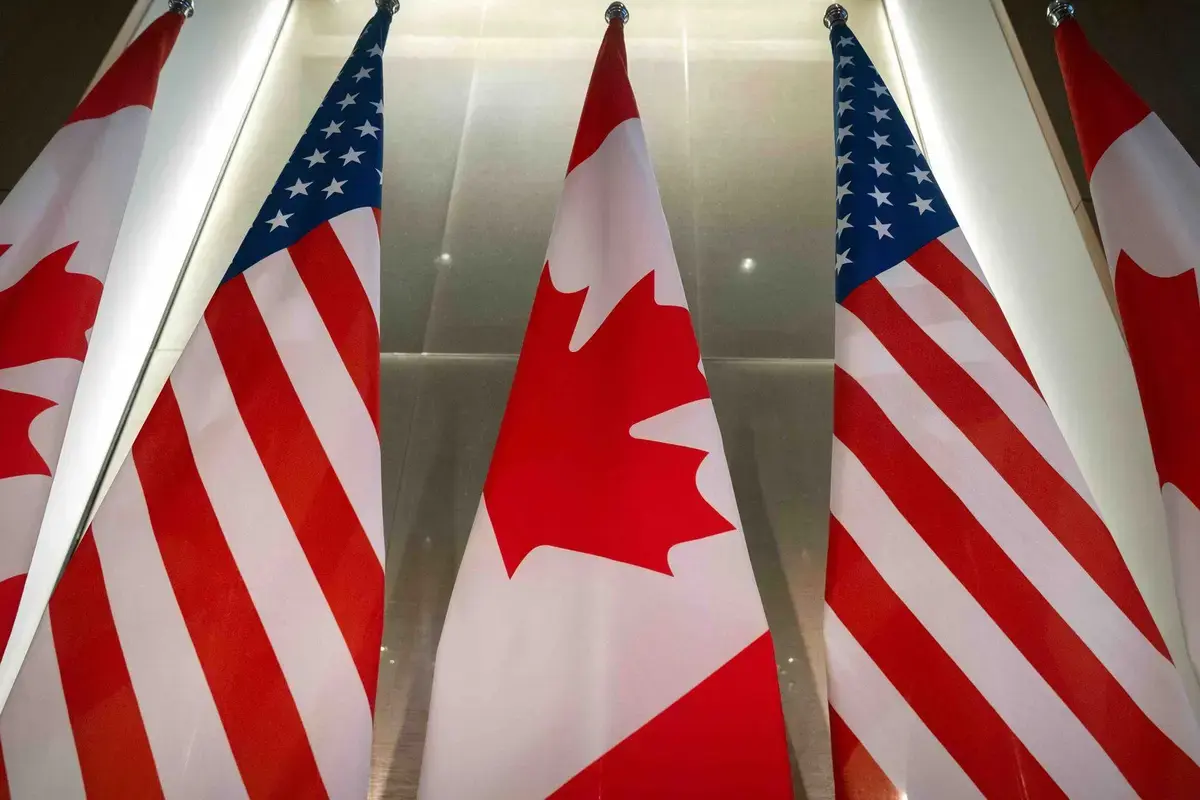
Provincial leaders across Canada have joined Prime Minister Mark Carney in condemning recent trade measures announced by US President Donald Trump, calling them unreliable and damaging to bilateral relations. The coordinated response emerged during an emergency meeting of premiers in Ottawa on Tuesday, where leaders from Ontario, Quebec, Alberta, and British Columbia emphasized that trust in US commitments has eroded significantly. They warned that unpredictable policy shifts threaten Canadian industries ranging from automotive to agriculture, urging a firm but measured national stance to protect jobs and supply chains.
Latest news
 Swedish Voters Choose New Parliament as Left-Wing Coalition Projects to Win Majority
 Trump Announces End of US Tariff on Irish Whisky
 Frances Stonor Saunders, Author of CIA Cultural Espionage Exposé, Dies at 66
 Israel and Lebanon to Hold Security Talks in Rome This October
The premiers criticized the Trump administration’s use of tariffs as a negotiating tactic, arguing that such actions undermine decades of integrated North American trade. Ontario Premier Doug Ford stated that Canadian businesses cannot plan for the future when rules change overnight, while Quebec Premier François Legault highlighted the impact on dairy and lumber sectors already facing volatility. Alberta Premier Danielle Smith pointed to energy exports as particularly vulnerable, noting that cross-border pipelines and refineries depend on stable regulatory frameworks. The leaders agreed that retaliation, if necessary, must be targeted and proportional to avoid escalating costs for consumers.
What message are premiers sending to Canadian workers and businesses?
In response to the trade tensions, provincial governments are accelerating efforts to diversify export markets and strengthen domestic production. Ontario has launched a $500 million fund to help manufacturers retool for non-US markets, while Quebec is expanding trade missions to Europe and Asia. British Columbia is prioritizing infrastructure upgrades at Pacific ports to reduce reliance on southern corridors. Premiers also urged the federal government to expedite approvals for interprovincial trade barriers, arguing that internal market efficiency could offset some external pressures. They stressed that unity among provinces is critical to maintaining leverage in any future negotiations with Washington.
The premiers sought to reassure citizens that their governments are actively defending Canadian interests without resorting to rhetoric that could worsen tensions. Ford emphasized that standing firm does not mean seeking conflict, but rather refusing to accept unfair terms. Legault appealed directly to farmers and factory workers, saying their livelihoods are being protected through strategic planning and reserve funds. Smith noted that while challenges remain, Canada’s resource wealth and skilled workforce position it to adapt. All leaders concluded that rebuilding trust will require consistent actions from the US administration, not just verbal assurances.
Why do Canadian premiers say they cannot trust Trump’s trade policies? They cite repeated reversals on tariff exemptions, sudden policy announcements without consultation, and a pattern of using economic pressure as a bargaining tool, which makes long-term planning impossible for Canadian businesses reliant on cross-border trade.
Frequently Asked Questions
What specific sectors are most at risk from current US trade measures? The automotive, agriculture, lumber, and energy sectors are particularly vulnerable due to their deep integration with US supply chains and exposure to tariffs or non-tariff barriers that could disrupt exports and increase production costs.
Are provinces preparing legal or economic countermeasures if tensions escalate? Yes, several provinces are reviewing options for targeted retaliatory tariffs on select US goods, while also investing in domestic supply chain resilience and pursuing alternative international markets to reduce dependence on the United States.