Anchored Expectations, Steady Policies
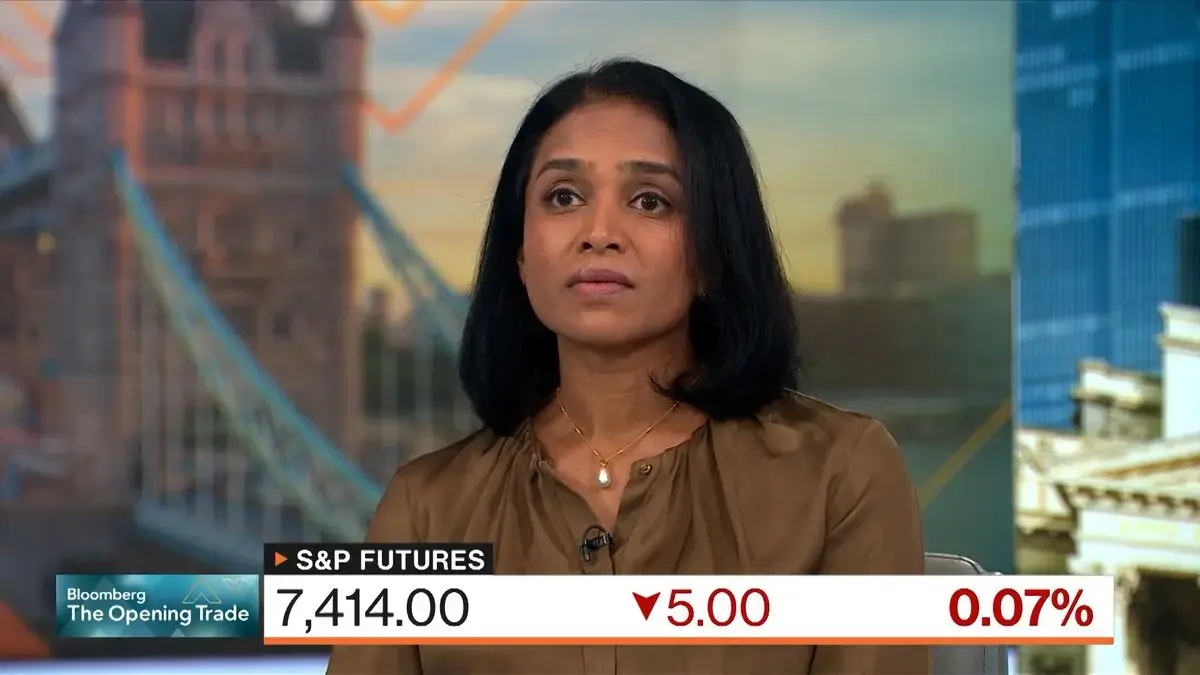
Sree Kochugovindan, Aberdeen's Senior Research Economist, discussed the current monetary policy stance on May 11th, 2026. She spoke to Bloomberg's Guy Johnson, Tom Mackenzie, and Anna Edwards. The Bank of England, European Central Bank, and Federal Reserve are expected to keep their policies unchanged for the rest of the year.
Latest news
 Swedish Voters Choose New Parliament as Left-Wing Coalition Projects to Win Majority
 Trump Announces End of US Tariff on Irish Whisky
 Frances Stonor Saunders, Author of CIA Cultural Espionage Exposé, Dies at 66
 Israel and Lebanon to Hold Security Talks in Rome This October
Inflation expectations are currently stable, according to Kochugovindan. This stability is a key factor in the central banks' decision to maintain their current monetary policy. The economies are being closely monitored, and any significant changes will likely influence future decisions.
Kochugovindan believes that inflation expectations remaining anchored is crucial for the current wait-and-see approach. The central banks are cautious, waiting for more data before making any significant changes to their policies. This cautious stance is expected to continue for the remainder of the year.
Will Inflation Expectations Remain Stable?
The current economic conditions support the decision to keep monetary policies on hold. The central banks are closely watching the inflation rates and overall economic performance. Any signs of significant changes will likely prompt a reevaluation of their policies.
The stability of inflation expectations is a critical factor in the central banks' decision-making process. If these expectations remain anchored, the current monetary policies are likely to continue. However, any shift in these expectations could lead to changes in the policies.
The consequences of the central banks' wait-and-see approach will become clearer as the year progresses. If inflation expectations remain stable, the current policies will likely continue, supporting economic stability.
Frequently Asked Questions
What is driving the central banks' wait-and-see approach? The stability of inflation expectations is the primary factor. The central banks are cautious, waiting for more data before making significant changes.
Will the monetary policies change if inflation expectations shift? Yes, any significant change in inflation expectations will likely influence the central banks' decisions, potentially leading to changes in their policies.
What are the implications of the current monetary policy stance? The current stance is expected to support economic stability if inflation expectations remain anchored. However, any significant changes could lead to a reevaluation of the policies.