Signs of Potential Stabilization
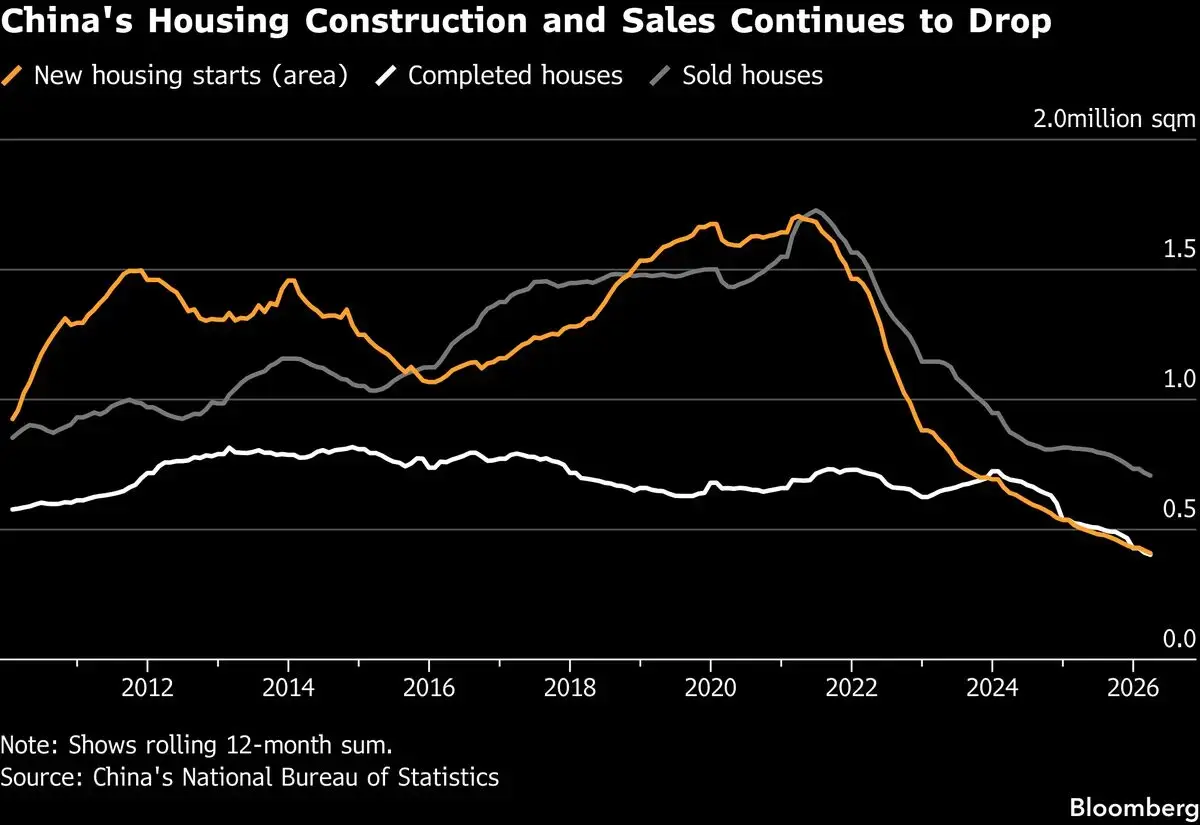
Wall Street analysts are beginning to question if China’s prolonged property crisis is nearing a bottom. The shift in perspective comes after months of decline. Country Garden, China’s second-largest property developer, recently defaulted on debt. This sparked initial fears of wider contagion.
Latest news
 Space Security Landscape Deteriorates Rapidly Amid New US Deployments
 Wife of US Scholar Detained in China Urges Trump to Address Case During Summit
 Palestinian Man Dies in Israeli Custody After Year of Administrative Detention
 Sweden's Centre-Left Coalition Wins Election as Right-Wing Bloc Narrowly Defeated
The Chinese property market has faced significant headwinds. A combination of factors contributed to the downturn. These include government regulations aimed at reducing debt and speculative investment. Strict COVID-19 lockdowns also hampered construction and sales. The crisis initially centered around Evergrande, another major developer, but has broadened to include other firms.
Recent data suggests some tentative signs of stabilization. New home prices in several major cities showed modest increases in October. This is the first positive movement in months. Government support measures, including easing mortgage rates and down payment requirements, may be starting to take effect. However, the impact remains limited and uneven across different regions.
Analysts caution that a full recovery is still distant. The underlying issues of oversupply in some areas and declining consumer confidence persist. Many potential homebuyers remain hesitant. They are worried about the financial health of developers and the future value of their investments.
Will Government Intervention Be Enough?
The Chinese government has signaled its commitment to stabilizing the property sector. It has urged banks to provide financing to developers and homebuyers. Local governments are also implementing measures to support the market. The effectiveness of these interventions remains a key question. Some experts believe stronger, more targeted policies are needed.
„The government is walking a tightrope,” explained one analyst. „They need to support the market without reigniting excessive speculation.” The challenge lies in balancing the need for stability with the long-term goal of a more sustainable property sector.
The default of Country Garden intensified concerns. It highlighted the widespread financial distress within the industry. The company’s struggles demonstrate the depth of the problems facing Chinese developers. It also raises questions about the potential for further defaults.
Frequently Asked Questions
The situation poses risks to the broader Chinese economy. The property sector is a significant driver of growth. A prolonged downturn could have ripple effects across various industries. It could also impact consumer spending and investment.
What is the biggest risk to China’s property market? The biggest risk is a continued decline in consumer confidence. This could further depress demand and lead to more developer defaults. It also threatens broader economic stability.
How is the government responding to the crisis? The government is easing mortgage rates and encouraging bank lending. It is also urging local governments to implement supportive measures. The goal is to stabilize the market and prevent a wider financial crisis.
Could this crisis affect the global economy? Yes, a significant downturn in China’s property market could have global repercussions. China is a major importer of raw materials. Reduced construction activity could lower demand and impact commodity prices.