The Struggle to Fill the Void
Colombia is holding elections amid rising violence. The current president pledged „total peace” four years ago. Candidates now disagree on how to achieve it. These elections will shape the future of Colombia’s peace process.
Latest news
 Swedish Voters Choose New Parliament as Left-Wing Coalition Projects to Win Majority
 Trump Announces End of US Tariff on Irish Whisky
 Frances Stonor Saunders, Author of CIA Cultural Espionage Exposé, Dies at 66
 Israel and Lebanon to Hold Security Talks in Rome This October
The 2016 peace agreement between Colombia’s government and the Revolutionary Armed Forces of Colombia (FARC) brought some success. FARC rebels disarmed, significantly reducing overall violence. However, the deal couldn’t fully end decades of armed conflict. Other armed groups continued operating. They filled the power vacuum left by FARC’s demobilization. This led to increased fighting over territory and resources.
The initial peace deal focused heavily on reintegrating former FARC members into civilian life. This proved challenging, with many ex-combatants facing economic hardship and social stigma. The government struggled to provide adequate support and opportunities. Consequently, some former rebels returned to armed groups. This fueled ongoing conflicts, particularly in rural areas.
Can Colombia Truly Achieve „Total Peace”?
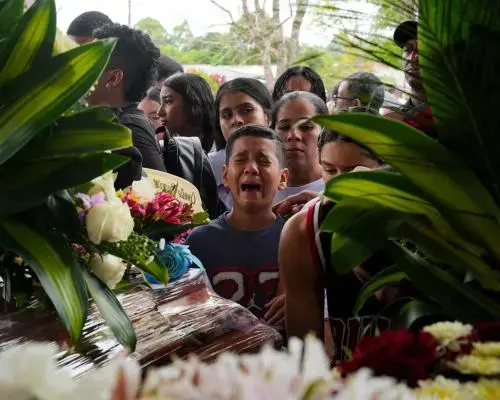
Violence has escalated recently, impacting communities and hindering peace efforts. Various armed groups, including the National Liberation Army (ELN) and criminal organizations, compete for control. They target social leaders, human rights defenders, and civilians. The situation is particularly dire in regions rich in natural resources. These groups often seek to control illegal mining and drug trafficking routes.
The current administration attempted negotiations with the ELN. These talks stalled, further complicating the peace process. The next president will inherit a complex security landscape. They must decide whether to resume negotiations with the ELN. They also need to address the root causes of violence. These include poverty, inequality, and lack of state presence in remote areas.
Some candidates advocate a continuation of the „total peace” policy. They believe dialogue and negotiation are the only way forward. Others favor a more hardline approach. They prioritize military operations against armed groups. This division highlights the deep political polarization within Colombia. It also underscores the challenges of forging a unified strategy for peace.
Frequently Asked Questions
The outcome of these elections will have significant consequences. A successful peace process could bring lasting stability and development. Failure could lead to a resurgence of violence. It could also further erode trust in the government. Colombia’s future hinges on its ability to address the complex challenges facing its peace process. The country must find a way to build a more just and equitable society.
What was the main goal of the 2016 peace deal? The primary objective was to end the decades-long armed conflict between the Colombian government and the FARC rebels. It aimed to disarm the rebels and reintegrate them into civilian life, reducing violence across the country.
Why did violence continue after the peace deal? Other armed groups filled the power vacuum left by FARC. They continued fighting for control of territory and resources. The government also struggled to support former rebels, leading some to rejoin armed groups.