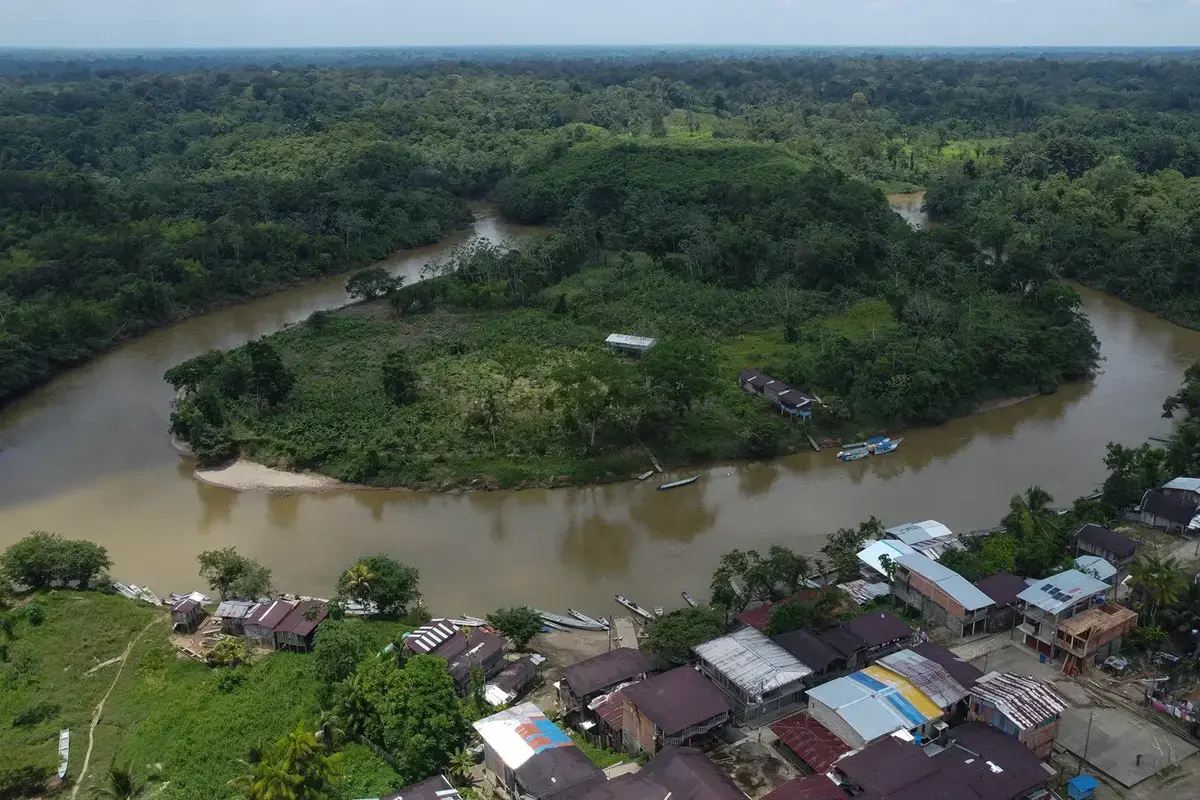
How Countryside Overlooks Fuel Violence
Jeremiah A. Carew, who served as the deputy mission director of the U. S. Agency for International Development in Colombia from 2021 until the mission’s closure in August 2025, highlights that the nation’s path to peace depends on addressing conditions in rural areas. His tenure coincided with a period when the Colombian government and international partners sought to consolidate peace agreements that had been signed years earlier. The countryside, where much of the conflict historically unfolded, remains central to any lasting resolution.
Latest news
 UN Report Accuses US and Iran of Serious Human Rights Violations
 Canada Eyes EU Associate Membership Under Prime Minister Mark Carney
 Fiji Declares National Emergency Over Rapid HIV Surge
 Israeli Forces Detain Palestinian Journalist in Ramallah Raid
Neglect of rural communities has produced a continuous security crisis, according to the summary of his observations. When basic services, infrastructure, and economic opportunities are absent in these regions, illicit groups find fertile ground to operate, undermining peace efforts. Carew’s experience leading USAID initiatives showed that while programs aimed to strengthen local governance and promote livelihoods, gaps in investment left many villages vulnerable. The persistence of violence in the countryside illustrates how overlooking rural development can derail national reconciliation.
The link between rural neglect and insecurity is not merely coincidental; it reflects a systemic pattern where state presence diminishes outside urban centers. During Carew’s time at USAID, efforts focused on improving access to credit for farmers, supporting land restitution, and strengthening community organizations. Despite these actions, many remote areas continued to report high levels of extortion, forced recruitment, and clashes between armed groups. The ongoing insecurity demonstrates that peace cannot be secured without sustained attention to the needs of those living far from major cities.
What Role Did USAID Play in Colombia’s Peace Efforts?
As deputy mission director, Carew oversaw a portfolio that included economic development, human rights assistance, and conflict mitigation projects across the Colombian countryside. The agency’s work sought to complement government programs by providing technical support and funding for initiatives that aimed to reduce the appeal of illegal economies. When the USAID mission concluded in August 2025, the responsibility for maintaining progress shifted to local institutions and other international partners. The transition underscored the importance of building durable capacities within rural communities to sustain peace gains.
The consequences of continued rural neglect are clear: without meaningful improvements in livelihoods, security, and governance, the peace process remains fragile. Looking ahead, policymakers must prioritize sustained investment in the countryside to prevent relapse into violence. The outlook hinges on translating lessons from recent years into long-term strategies that empower rural residents and integrate them fully into Colombia’s democratic future.
Frequently Asked Questions
Question: What timeframe did Jeremiah A. Carew’s USAID tenure cover in Colombia? Answer: Jeremiah A. Carew served as the deputy mission director of USAID in Colombia from 2021 until the mission’s closing in August 2025. This period encompassed the final years of the agency’s presence in the country.
Question: How does rural neglect contribute to security challenges in Colombia? Answer: When rural areas lack basic services, infrastructure, and economic opportunities, illicit groups can exploit the vacuum to operate and recruit. This dynamic fuels a persistent security crisis that undermines national peace efforts.
Question: What happened to USAID’s programs after the mission closed in August 2025? Answer: After the USAID mission concluded in August 2025, the responsibility for maintaining and advancing the initiatives fell to local Colombian institutions and other international partners. The transition aimed to ensure that progress made in rural development and peacebuilding could continue without direct USAID support.