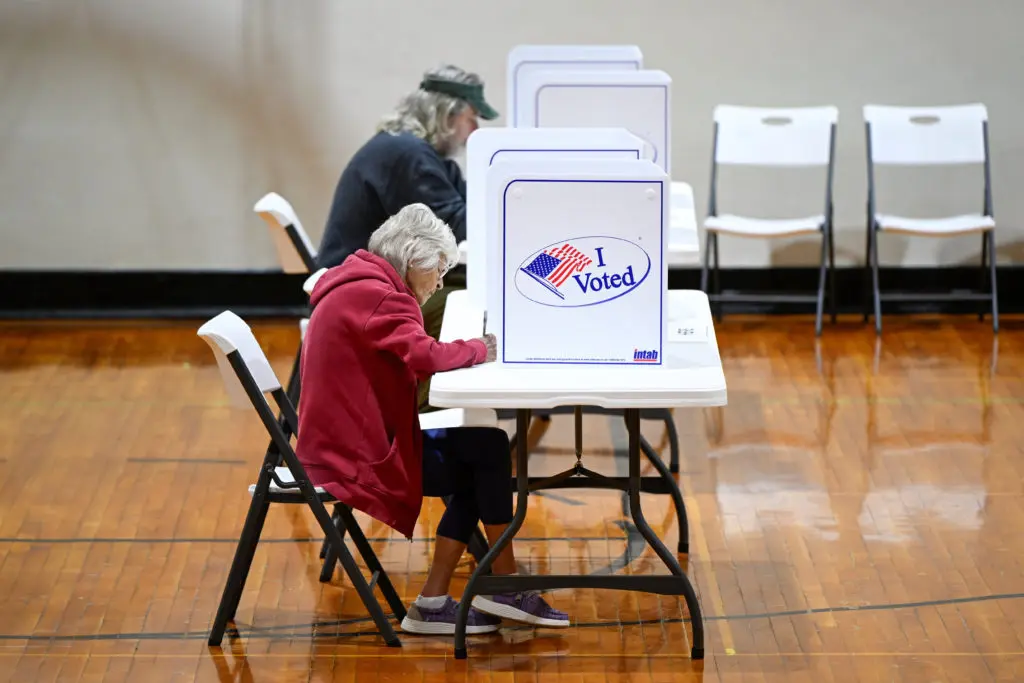
Rob Sand, the Democrat who shifts Iowa’s balance of power
Both candidates campaigned on criticizing the status quo. They highlighted the local economic stagnation, declining public education quality, and rising cancer diagnoses. Their visions for executive power and problem-solving were radically different. This open race, held during a midterm election year where Republicans faced national tailwinds, disrupted conventional local politics. It revitalized Iowa as a battleground. Party registration shows a Republican edge over Democrats. Democrats tried to break the GOP’s hold on state government. Reynolds’ unexpected retirement opened the first gubernatorial race without an incumbent since 2010. Sand was the sole Democrat on the ballot. Republicans had to hold a five-candidate primary. At 44, Sand often expressed frustration with how the political system forces people to choose sides. He ran only under the Democratic banner and donated significantly to the party. He acknowledged he must collaborate with Republican majorities in the House and Senate.
Latest news
 Asian Shares and Dollar Fall as Democrats Gain Ground in US Midterms
 2026 Midterms: Democrats Seize Senate Control, Reshaping U.S. Politics
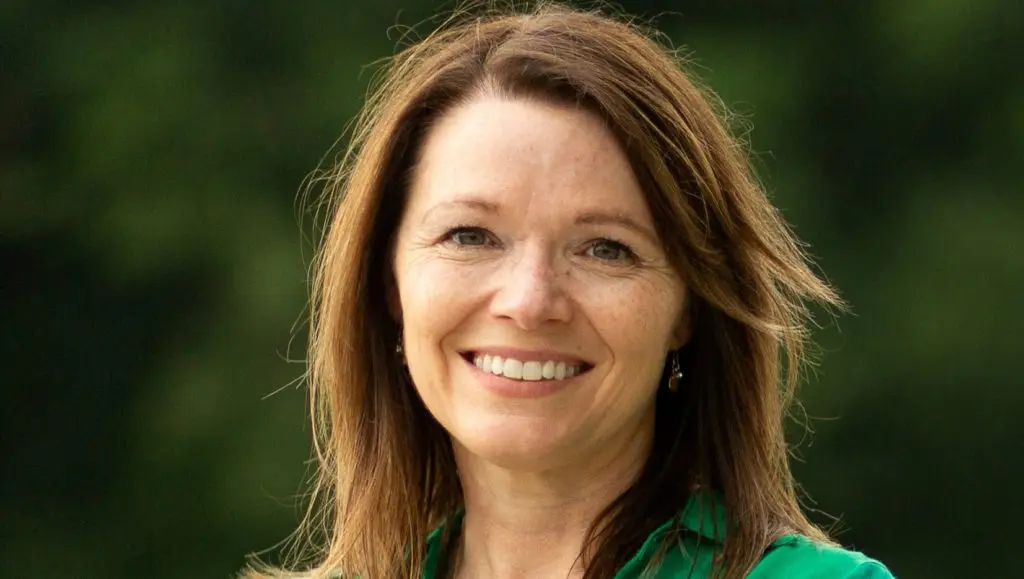 Iowa Democrat Christina Bohannan Secures House Seat After Third Attempt
 Gina Hinojosa Wins Texas Governor’s Race, Ending Republican Stronghold
He argued a divided government would help solve problems. He accused Republicans of ignoring a worsening budget deficit caused by tax cuts. He also criticized their investments in education savings accounts. These accounts provide public funds for private school tuition. However, he emphasized this would also check Republican efforts to pass cultural war legislation. A sign of the race’s competitive nature is that many top agricultural and local business groups refused to endorse a gubernatorial candidate. They supported other races. Lahn charted a new path for the Iowa GOP. His general election campaign expanded rapidly after his unexpected June primary win. He had five months to present himself to voters, including many Republicans. He dramatically increased fundraising and staff. Lahn won the primary by less than one percentage point. He faced federal representative Randy Feenstra, who was backed by President Donald Trump.
In the five-candidate race, Lahn secured support from only about one-third of
In the five-candidate race, Lahn secured support from only about one-third of Republican voters. He was not afraid to contradict traditional Iowa GOP positions. He claimed he had already changed the narrative inside the Republican Party. He stressed that Iowa cannot prosper under Republican rule if it loses family farms. He noted that young people are leaving for other states. He pointed out that residents face cancer and eroding public education achievements. However, when facing Sand in debates, Lahn relied on his party’s traditional stances. He argued Sand would be a liberal governor. He claimed Sand would raise taxes, multiply regulations, and impose a political agenda in public education. As in his two previous state auditor races, Sand won a state-level race just two years after Iowa voters backed Trump. The party’s hopes for restoring Democratic leadership in the state rested heavily on Sand.
He tried to keep distance from party politics.