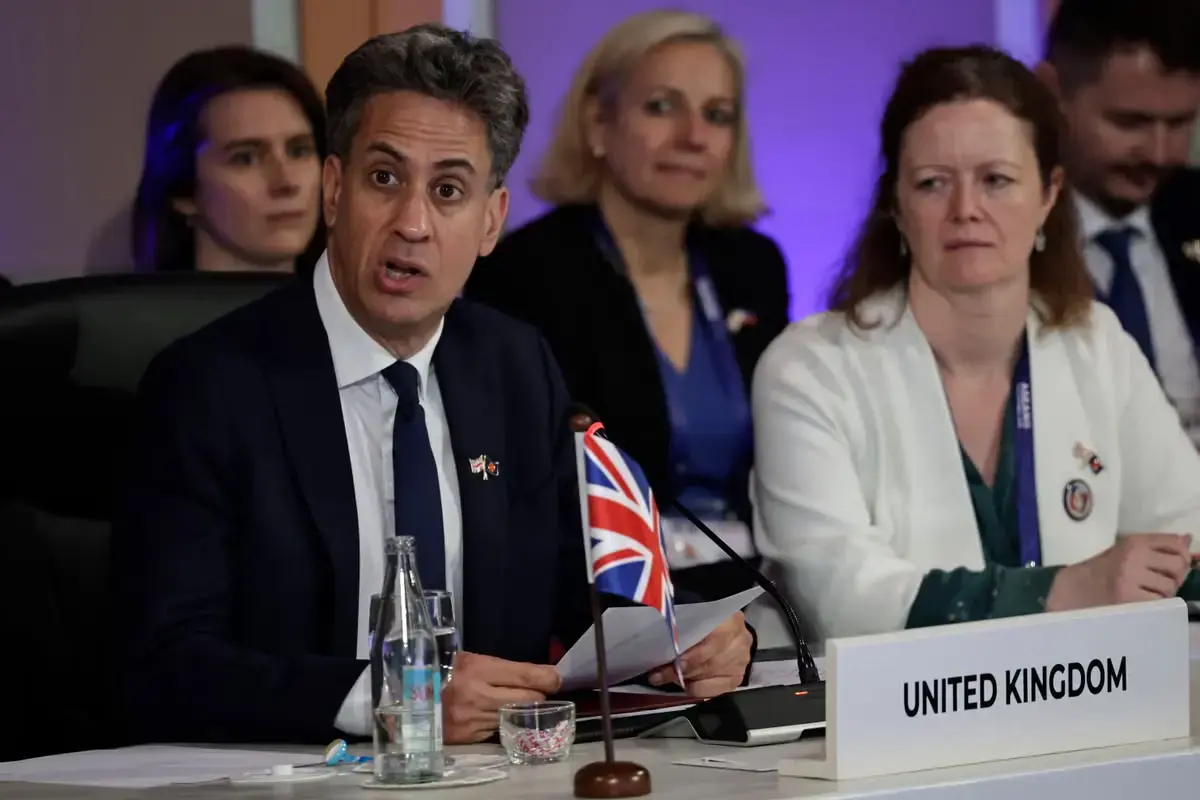
A New Voice for British Development Policy
Ed Miliband, former Labour leader, will assume a seat on the World Bank’s Board of Governors on 27 July 2026. The appointment was announced by the UK Foreign Secretary in London, emphasizing that overseas aid and climate action will be central to Britain’s agenda at the institution.
Latest news
 Swedish Voters Choose New Parliament as Left-Wing Coalition Projects to Win Majority
 Trump Announces End of US Tariff on Irish Whisky
 Frances Stonor Saunders, Author of CIA Cultural Espionage Exposé, Dies at 66
 Israel and Lebanon to Hold Security Talks in Rome This October
The decision follows a broader UK push to integrate development policy with its foreign policy objectives. Miliband’s experience in domestic politics and his recent work on climate finance make him a strategic choice, the Foreign Secretary said. „International development is not an add‑on to British policy,” he declared, underscoring a shift toward coordinated action on poverty reduction and emissions. The move also signals the UK’s intent to influence the World Bank’s upcoming reforms on debt sustainability and green investment.
Miliband’s presence on the board is expected to amplify the UK’s priorities in the World Bank’s lending decisions. He will work alongside representatives from the United States, China, and emerging economies, advocating for stronger safeguards for climate‑related projects. Analysts note that his track record on progressive taxation and social welfare could translate into a push for more inclusive financing models. The appointment arrives as the World Bank prepares its 2027 strategic plan, which will address climate resilience, renewable energy, and the financing of low‑income nations.
Will Climate Priorities Shape World Bank Strategy?
Stakeholders are watching to see whether Miliband can steer the bank toward greener policies. The UK has pledged to increase its climate‑related aid by 15 percent over the next five years, and Miliband is likely to champion that target within the Board. Critics argue that entrenched interests may resist rapid changes, but the foreign secretary’s remarks suggest a firm political backing. If successful, the bank could see a rise in green bonds and a tighter focus on climate‑smart infrastructure in Africa and South Asia.
Miliband’s appointment could reshape the balance of power within the World Bank, aligning it more closely with the UK’s climate and development agenda. Observers expect the new board member to leverage his political experience to push for policies that blend poverty alleviation with carbon reduction. The upcoming World Bank annual meeting will be a key moment to gauge the impact of his influence.
Frequently Asked Questions
What role will Ed Miliband play on the World Bank board? He will serve as a governor representing the United Kingdom, participating in policy decisions, budget approvals, and strategic direction, especially on aid and climate matters.
Why is the UK emphasizing climate in its World Bank agenda now? The UK aims to meet its net‑zero commitments and sees the World Bank as a platform to channel financing toward low‑carbon development projects worldwide.
How might Miliband’s political background affect World Bank policies? His experience in domestic reform and progressive economics may encourage more inclusive financing, greater focus on social equity, and stronger climate safeguards in bank operations.