
He called for urgent investment in equitable adaptation strategies, such as
At an event in New York marking the release of The Independent’s Climate 100 List, former UK foreign secretary David Miliband warned that the dual crises of armed conflict and climate change are reaching unprecedented levels, disproportionately affecting the world’s most vulnerable populations who have contributed least to the problem. He emphasized that current responses, including increased reliance on air conditioning, fail to address root causes and risk deepening inequality. Miliband stressed that while extreme heat drives demand for cooling technologies, expanding air conditioning use without clean energy transitions will increase emissions and strain power grids, particularly in developing nations.
Latest news
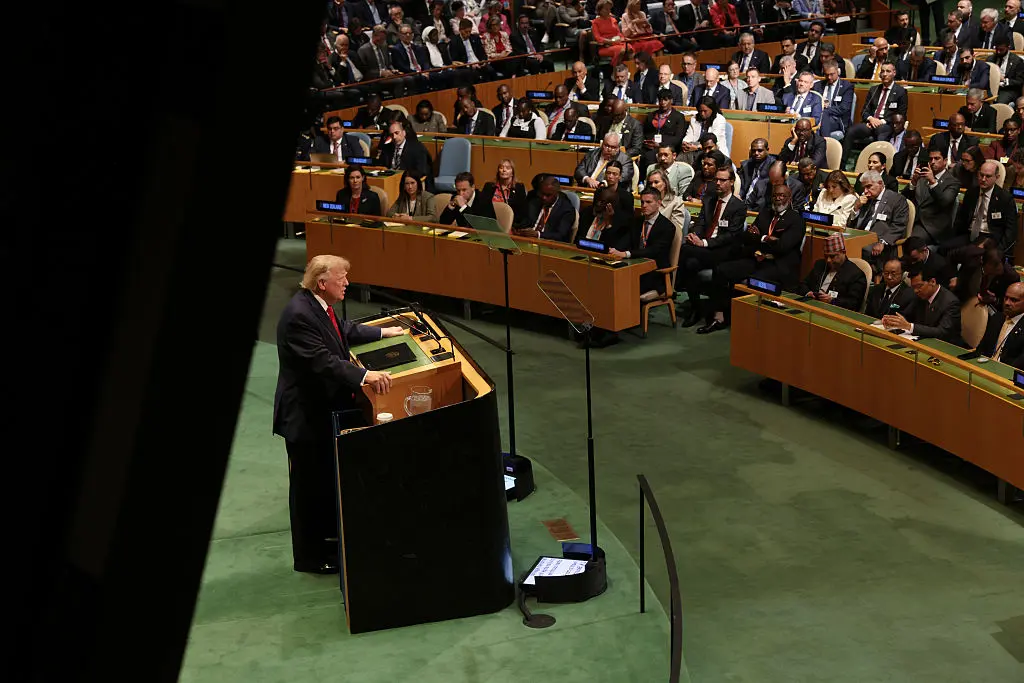 President Trump Declares Force the Path to Peace at UN Assembly
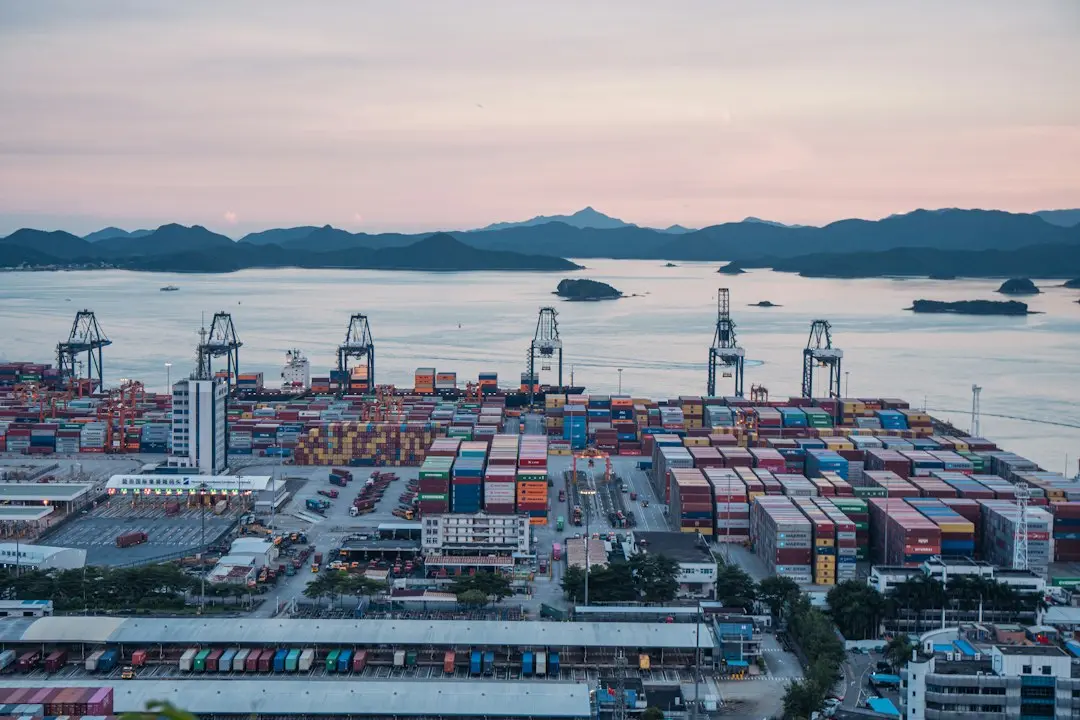 China’s Clean Energy Exports Surge Amid Iran Conflict, Boosting Xi’s Leverage in U.S. Talks
 Carney Commits $100 Million to Palestinian Aid at
 Family Claims Neglect Led to Death of Costa Rican Detainee in ICE Custody
He called for urgent investment in equitable adaptation strategies, such as urban greening, heat-resistant infrastructure, and access to renewable energy, arguing that technological fixes alone cannot substitute for systemic change and global solidarity. Why Cooling Alone Cannot Solve a Warming Planet Relying on air conditioning as a primary response to rising temperatures overlooks the fact that over a billion people lack reliable electricity, making such solutions inaccessible to those most at risk. Miliband pointed out that cooling accounts for nearly 10% of global electricity consumption, a figure projected to rise sharply without intervention.
Instead, he advocated for passive cooling methods in building design
Instead, he advocated for passive cooling methods in building design, reforestation in cities, and international funding to support climate-resilient communities in conflict-affected regions where environmental degradation exacerbates instability. What Responsibility Do We Owe to Those on the Frontlines? Miliband challenged wealthier nations to acknowledge their historical emissions and fulfill climate finance pledges, noting that current funding falls far short of what is needed for loss and damage in vulnerable countries. He argued that delaying action not only harms ecosystems but also fuels displacement and conflict, creating feedback loops that undermine global security. True resilience, he said, requires listening to local leaders and integrating traditional knowledge with modern science. Frequently Asked Questions Why is increasing air conditioning use problematic in the context of climate change?
Expanding air conditioning without clean energy sources increases greenhouse gas emissions and electricity demand, often relying on fossil fuels, which worsens the very problem it aims to alleviate. What alternatives did David Miliband suggest for coping with extreme heat? He supported passive cooling techniques, urban tree planting, heat-resilient infrastructure, and equitable access to renewable energy as more sustainable and inclusive approaches. How are climate change and conflict interconnected according to Miliband? Climate change intensifies resource scarcity and displacement, which can trigger or worsen conflict, especially in fragile regions, while conflict hinders climate adaptation efforts and increases vulnerability.