The Cost of Political Influence
Elon Musk spent a record $446 million supporting Republican candidates in the recent US midterm elections. The billionaire’s massive financial injection aimed to secure key legislative victories for the party. However, the results have proven disappointing. His strategy to dominate specific districts failed to deliver the expected political dominance.
Latest news
 South Korea to Deploy Military Mission to Keep Strait of Hormuz Open
 Herzog Accepts Election Results, Opens Government Formation Talks
 Hegseth Faces Backlash Over Iran War as Midterm Blame Shifts
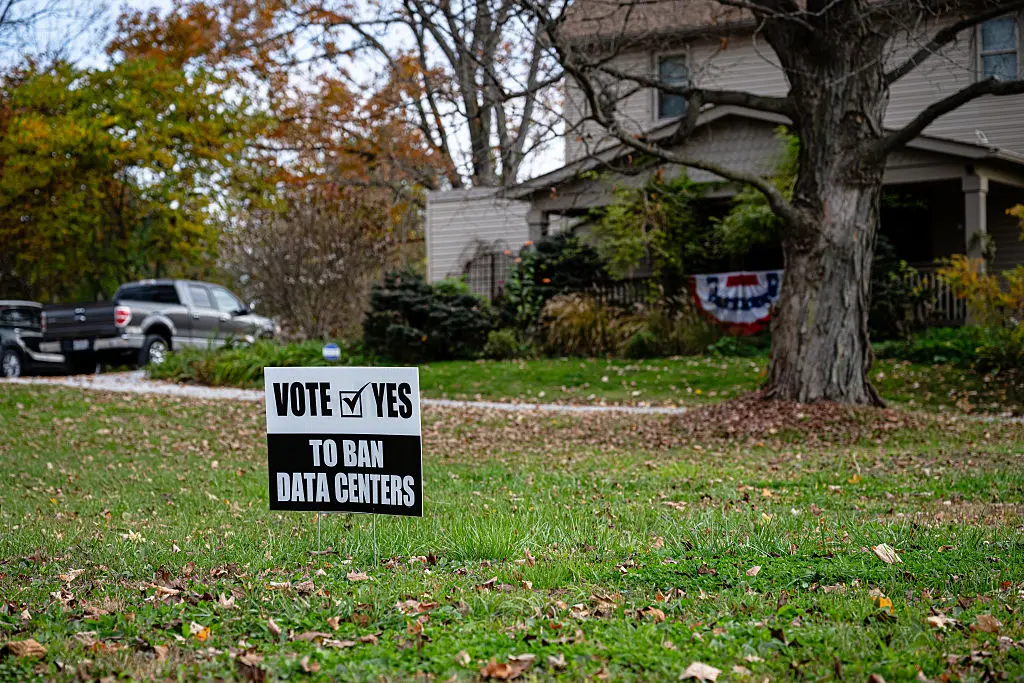
 US voters reject datacenter moratoriums in 40 jurisdictions
Musk directed these funds primarily through Republican-aligned Super PACs and political groups. The spending targeted specific congressional races where Republicans sought to expand their majority. Despite the unprecedented scale of his contributions, the outcomes did not match the investment level. This marks a significant setback for the technology leader’s political ambitions in Washington.
The total expenditure reached nearly half a billion dollars. This figure set a new benchmark for individual election spending in modern history. Musk focused his efforts on districts with high strategic value for the Republican agenda. The goal was to influence policy outcomes related to technology and regulation.
Did Money Buy Victory?
Critics argued that the money could not buy enough votes in competitive districts. Many races remained too close for such sums to guarantee victory. The funds were spread across multiple states, diluting their impact in crucial battlegrounds. Analysts noted that voter sentiment often outweighs financial backing in tight contests.
The failure of this strategy raises questions about the limits of wealth in politics. Musk’s contributions did not translate into the desired legislative control. Several targeted seats remained out of reach despite heavy spending. The disparity between money spent and seats won highlights diminishing returns.
Political experts suggest that brand loyalty does not always align with candidate popularity. Voters may reject candidates regardless of donor support if local issues dominate. The midterm results show that structural advantages matter more than raw capital. This outcome challenges the assumption that unlimited funds ensure political success.
The consequences of this spending spree extend beyond the election results. Musk’s public image may suffer from perceived political overreach. Future donors might hesitate to commit similar amounts if returns are low. The Republican party must now reassess its reliance on individual mega-donors.
Frequently Asked Questions
Strategic shifts will likely be necessary for future electoral cycles. Parties may look to diversify funding sources rather than relying on single billionaires. The focus could shift toward grassroots mobilization and local campaigning. The midterm experience serves as a costly lesson in political economics.
How much did Elon Musk spend on the midterms? Musk contributed at least $446 million to Republican-aligned groups. This amount set a new record for individual election spending. The funds were distributed across various Super PACs.
Why did the spending fail to achieve its goals? The money did not secure enough seats in competitive districts. Voter preferences and local dynamics outweighed the financial advantage. The strategy suffered from diminishing returns in tight races.