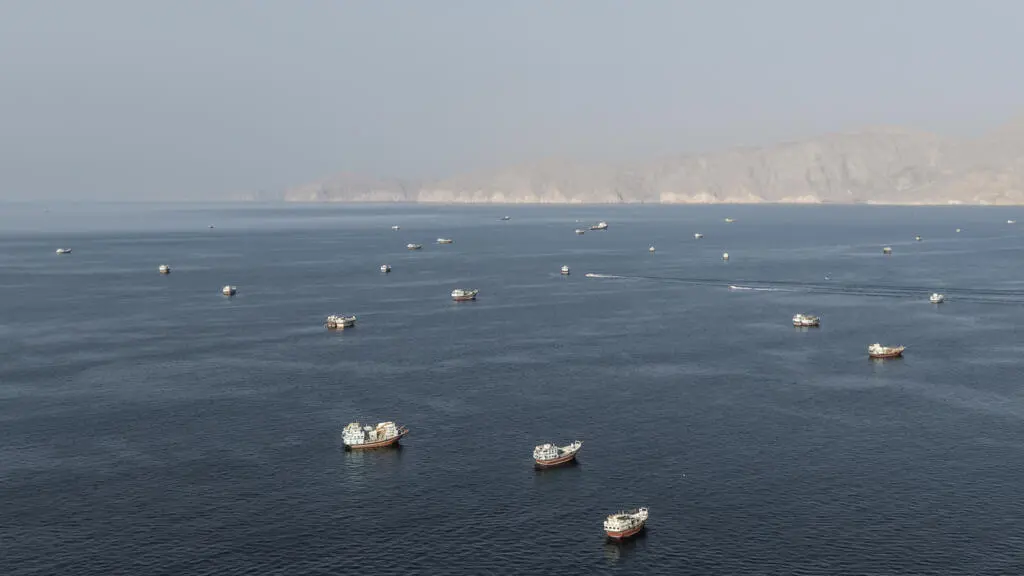
Protecting Global Energy Flows
South Korea will deploy maritime patrol aircraft and an explosive ordnance disposal team near the Strait of Hormuz. The mission aims to keep the critical waterway open for global trade. Seoul announced the plan on Thursday. The move responds to regional security concerns.
Latest news
 Herzog Accepts Election Results, Opens Government Formation Talks
 Hegseth Faces Backlash Over Iran War as Midterm Blame Shifts
 US voters reject datacenter moratoriums in 40 jurisdictions
 Elon Musk’s $446 Million Midterm Bet Backfires
The defence ministry confirmed the deployment. It includes aircraft for surveillance and a specialist team for clearing unexploded ordnance. This ensures safe passage for commercial vessels. Energy supplies depend on this route.
The Strait of Hormuz handles a large share of the world's oil and gas. Disruptions there would spike prices and strain economies. South Korea imports most of its energy from the Middle East. Keeping the strait clear protects its own supply lines.
Why Is This Mission Necessary Now?
The ordnance disposal team will handle debris and unexploded munitions. Patrol aircraft will monitor traffic and deter threats. This combination addresses both immediate hazards and longer-term risks.
Regional tensions have raised fears of blockage. Ships have reported delays and rerouting. South Korea's action is preventive. It signals readiness to act before a crisis deepens.
The deployment is part of a broader strategy. It works with allied navies in the region. Coordination helps avoid duplication and fills gaps in coverage.
Frequently Asked Questions
What equipment will South Korea send? Maritime patrol aircraft and an explosive ordnance disposal team. The aircraft monitor the waterway. The team clears unexploded munitions.
Why is the Strait of Hormuz so important? It is a key chokepoint for oil and gas shipments. Many countries depend on it for energy. A closure would have immediate economic effects.
How long will the mission last? The announcement did not specify an end date. It is framed as an ongoing effort. Duration depends on regional conditions.