Coalition Dynamics and Military Strategy
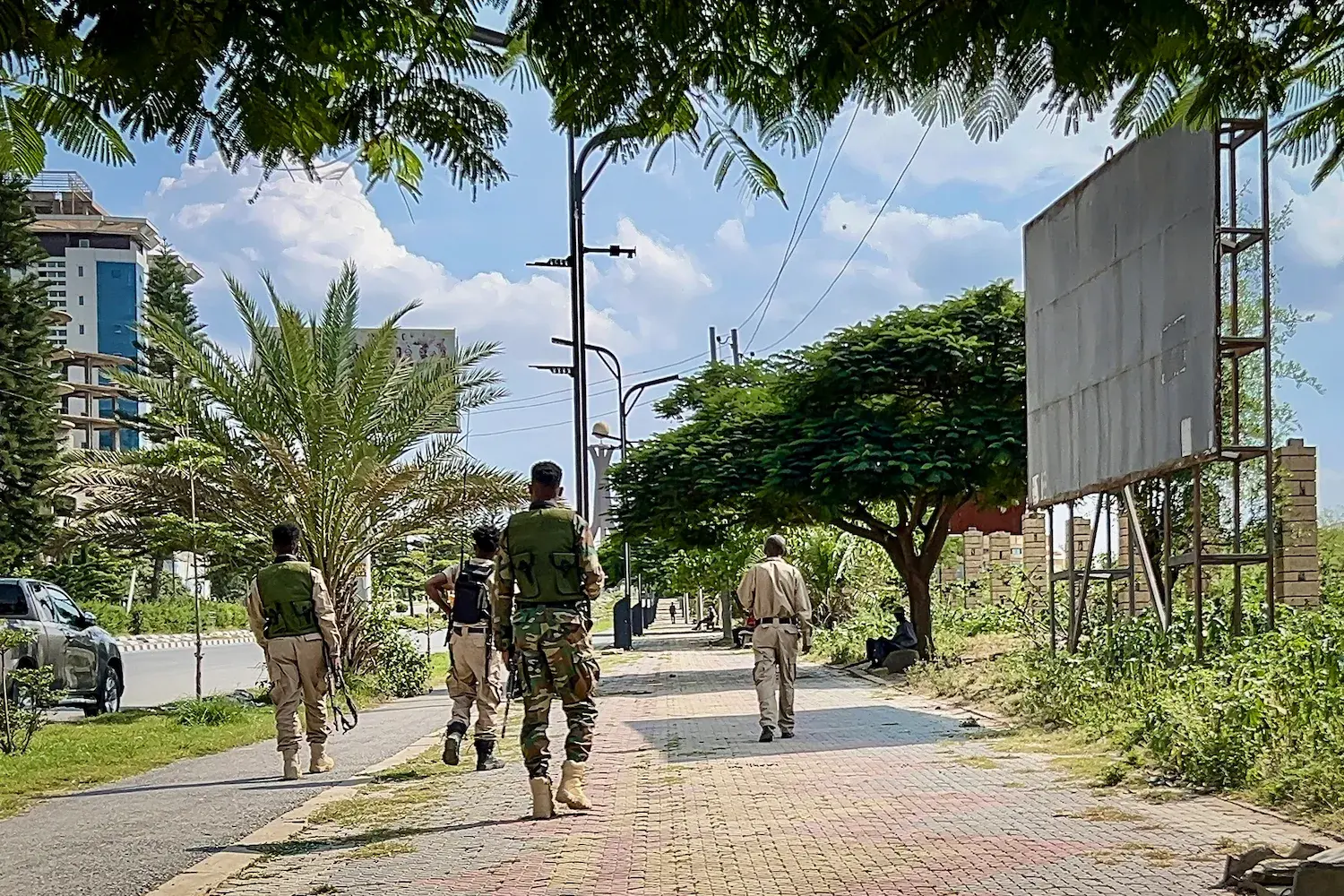
Ethiopian Prime Minister Abiy Ahmed faces a critical threat to his government. The Tigray People's Liberation Front has formally allied with six other armed groups. This new coalition seeks to overthrow the central leadership in Addis Ababa. The conflict, which had seemed dormant, is reigniting across northern regions. Tensions are escalating rapidly among various factions. The political landscape remains extremely volatile.
Latest news
 Luna Wong's death exposes systemic failures in UK student care
 Study Suggests Drones Could Speed Up Defibrillator Delivery for Cardiac Arrest Victims
 How Russia Recruits Belarusians for Ukraine War: Methods and Consequences
 Europe Conducts Real-World War Games Amid Rising Russian Threat Concerns
The TPLF, which led the Tigray region, signed a peace deal in 2022. However, disputes over implementation have stalled progress. The group claims the federal government has ignored key provisions. These disagreements have fueled a resurgence of hostilities. The alliance includes diverse ethnic and political movements. Each group brings its own military strength to the table. They coordinate their efforts against the national army. The coalition aims to dismantle the current power structure.
The six allied groups represent different ethnicities and political ideologies. They have united under a common objective. This unity presents a significant challenge for the state. The TPLF retains substantial military experience from the previous war. Their forces are well-equipped and organized. The other groups provide additional manpower and local knowledge. Together, they control significant territory in the north. The federal government has deployed troops to counter this advance. Airstrikes and ground operations have resumed in key areas. Civilians in border regions face displacement and hardship. Humanitarian agencies report increased needs for aid. The conflict threatens regional stability in the Horn of Africa.
What Drives the Renewed Conflict?
The Prime Minister’s administration insists it will defend national unity. They view the coalition as a separatist threat. Diplomatic efforts have failed to resolve the core issues. International observers express deep concern over the escalation. Neighboring countries monitor the situation closely. The situation mirrors the earlier civil war that devastated the region. Economic activity has slowed due to insecurity. Trade routes are disrupted by ongoing fighting.
The root causes remain unresolved political grievances. The TPLF demands greater autonomy and representation. They argue the current system marginalizes their interests. The federal government rejects these demands as unconstitutional. This deadlock has driven both sides to the battlefield. Historical tensions between ethnic groups play a role. Power struggles within the ruling party add complexity. The coalition seeks to change the national narrative. They want a federal system with stronger regional powers. This political vision clashes with centralist ambitions.
Frequently Asked Questions
Who is leading the new opposition coalition? The Tigray People's Liberation Front leads the alliance. It includes six other armed groups from various regions. Together, they aim to remove the current government.
Why did the peace deal fail? Disputes over the implementation of the 2022 agreement caused the breakdown. The TPLF claims the government ignored key terms. This led to renewed military actions.
What is the immediate impact on civilians? Displacement and humanitarian needs have increased significantly. Trade and economic activity in the north are disrupted. Aid agencies are struggling to meet rising demands.