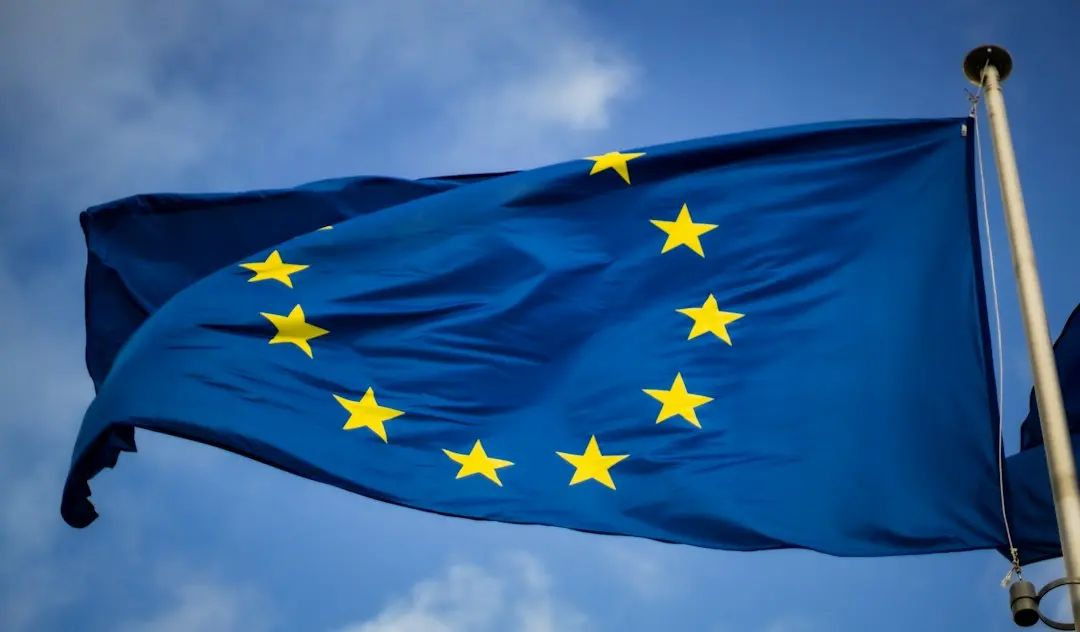
Energy Security Takes Centre Stage Amid Supply Concerns
European Union leaders have convened in Brussels for a two-day summit starting on 15 October 2026. The gathering brings together heads of state and government to address pressing challenges in energy security, relations with China, and the EU’s long-term budget. Hosted amid growing geopolitical tensions, the talks aim to forge consensus on strategic priorities shaping the bloc’s future direction.
Latest news
 Escalating Crackdown Targets LGBTQ+ Individuals Across Senegal
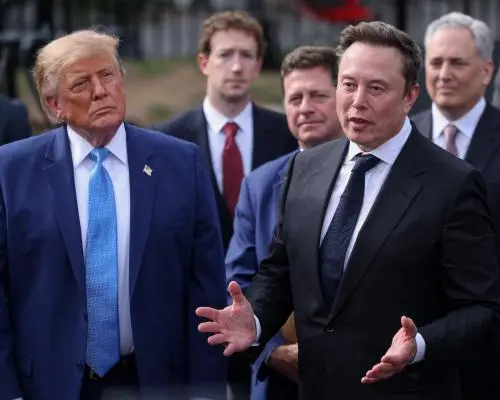 Elon Musk Hints at Washington Role in Starlink Limits
 Embryo Gene Editing Advances in Precision Amid Safety and Ethics Debate
 EU Summit Opens With Kaja Kallas’s Key Speech
Discussions opened with a focus on reducing dependency on external energy suppliers, particularly in light of recent disruptions to gas and electricity markets. Commission President Ursula von der Leyen emphasized the need to accelerate renewable energy projects and diversify supply chains. Council President Antonio Costa noted that member states remain divided over the pace of nuclear energy integration, with some advocating for faster deployment while others insist on stricter safety reviews. The summit will examine funding mechanisms to support cross-border grid upgrades and hydrogen infrastructure, aiming to strengthen resilience ahead of winter.
How Will the EU Balance Trade and Security in Its China Policy?
Leaders are set to debate a coordinated approach to China that seeks to protect European industries without triggering a full-scale trade conflict. Proposals include targeted screening of foreign investments in critical sectors such as semiconductors and artificial intelligence, alongside efforts to deepen ties with like-minded partners in Indo-Pacific regions. Officials acknowledged that complete decoupling is neither feasible nor desirable, but stressed the importance of reducing strategic vulnerabilities. The outcome could influence upcoming negotiations on the EU-China Comprehensive Agreement on Investment, which remains stalled.
What are the main goals of the Brussels summit? The summit aims to align EU members on energy independence strategies, define a unified stance toward China, and advance negotiations on the next multiannual financial framework to fund key priorities.
Frequently Asked Questions
Why is energy policy a major point of contention? Disagreements persist over the role of nuclear power, the speed of fossil fuel phase-out, and how to fairly distribute the costs of infrastructure upgrades across member states with differing energy mixes.
What risks does the EU face in its China policy? The EU risks economic retaliation if perceived as overly confrontational, yet also faces criticism for insufficient action on human rights concerns and unfair trade practices, requiring a careful calibration of engagement and defence mechanisms.