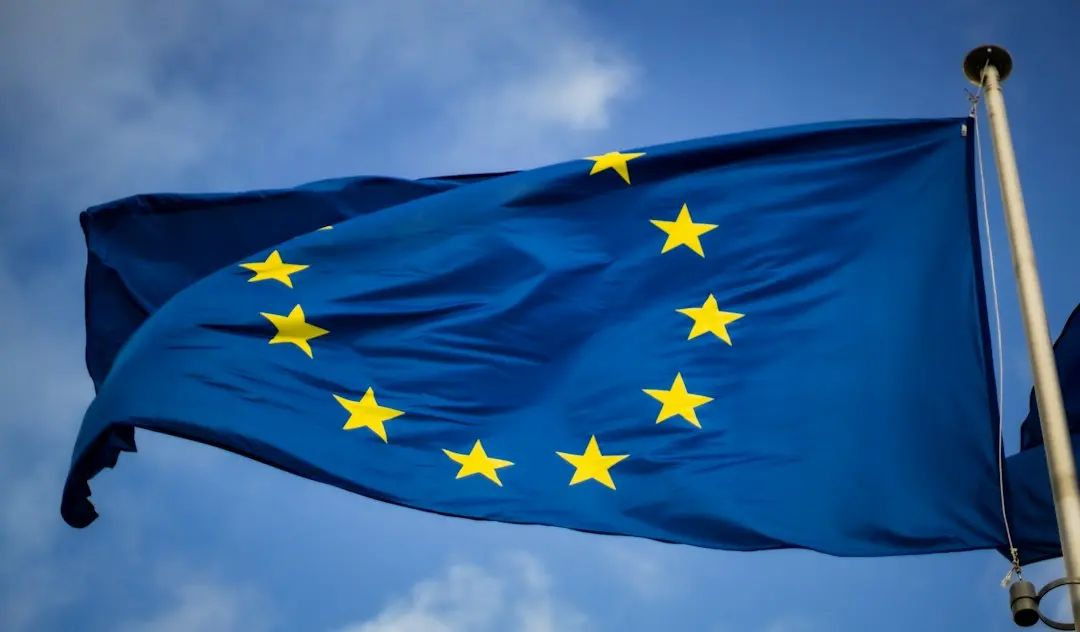
Strengthening Collective Defense Mechanisms
European Union leaders are debating the creation of a dedicated European Security Council to address escalating hybrid threats. This proposed body aims to accelerate political decision-making in response to a surge in sabotage, cyberattacks, and unauthorized drone incursions. The initiative seeks to unify member states against increasingly sophisticated destabilization tactics originating from Russia.
Latest news
 Escalating Crackdown Targets LGBTQ+ Individuals Across Senegal
 Elon Musk Hints at Washington Role in Starlink Limits
 Embryo Gene Editing Advances in Precision Amid Safety and Ethics Debate
 EU Summit Opens With Kaja Kallas’s Key Speech
The current EU security framework often struggles to keep pace with the speed of modern hybrid warfare. Officials argue that existing bureaucratic procedures are too slow to counter rapid, multi-front operations. By establishing a centralized council, the bloc hopes to streamline intelligence sharing and implement immediate, coordinated retaliatory measures across all member nations.
Recent incidents across the continent have highlighted significant vulnerabilities in critical infrastructure. From mysterious undersea cable damage to persistent digital interference, the frequency of these attacks has alarmed security experts. A specialized council would provide a formal venue for high-level officials to synchronize their response strategies.
Can a Centralized Body Outpace Moscow’s Tactics?
Proponents of the plan suggest that a unified political front is the most effective deterrent against external aggression. By pooling resources and expertise, the EU could better protect its energy grids and communication networks. This approach shifts the focus from reactive damage control to proactive, collective security management.
The effectiveness of such a council depends heavily on the willingness of individual nations to surrender some autonomy over their national security decisions. Critics worry that internal disagreements could paralyze the body during a crisis. However, supporters maintain that the alternative is a fragmented defense that leaves smaller states exposed to foreign manipulation.
Frequently Asked Questions
Ultimately, the proposal reflects a broader shift in European defense policy toward strategic sovereignty. If implemented, the council could fundamentally change how the EU manages its borders and digital integrity. The success of this endeavor will be measured by its ability to act decisively when the next wave of hybrid aggression occurs.
What is the primary goal of the proposed European Security Council? The council aims to speed up political responses to hybrid threats like cyberattacks and sabotage. It seeks to unify member states to act decisively against destabilization efforts.
Why is the current EU response system considered insufficient? Existing procedures are often too slow to address the rapid nature of modern hybrid warfare. A centralized body would allow for faster intelligence sharing and coordinated action.