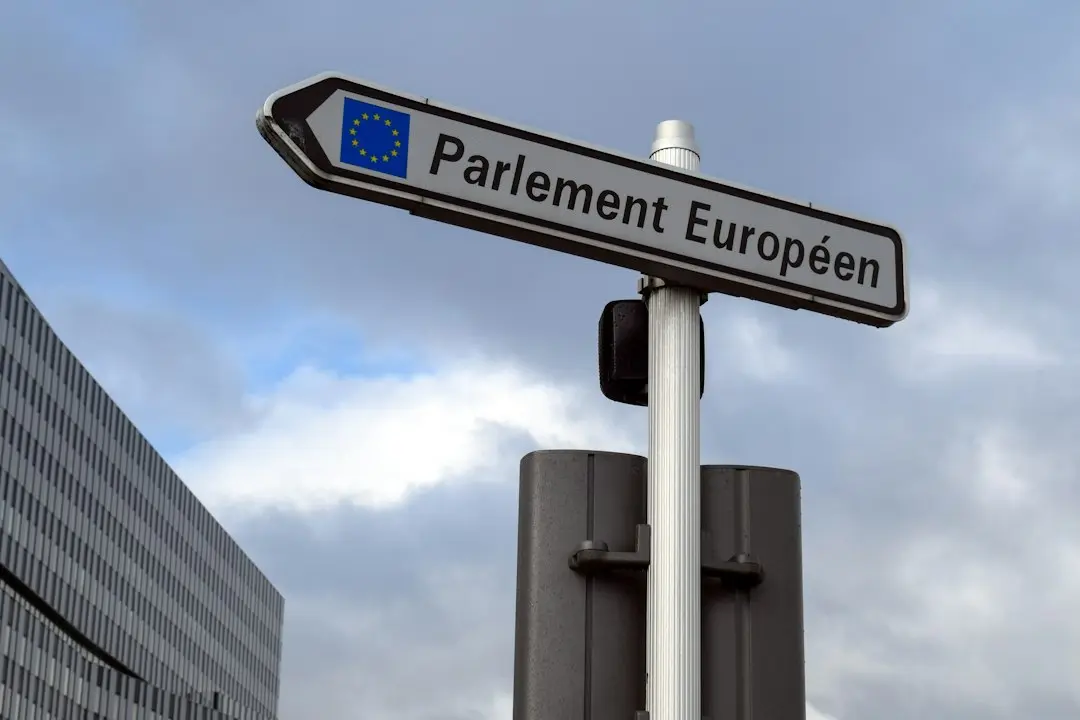
Altman’s Comments Reignite Debate on AI Accountability
In an exclusive interview published Monday and reported by Decoded by POLITICO, Altman explicitly stated there is a moral and legal obligation when their algorithmic models make mistakes during the training phase. He stressed that a clear mechanism is needed to hold companies liable for damages caused, saying „there needs to be a liability framework for companies.” This acknowledgment from a major tech industry figure gave European parliamentarians the chance to validate their earlier stance, after the EU abandoned initial plans last year to legislate on compensation and liability for harms caused by AI developers and deployers. Initial Proposal Dropped Amid Deregulation Push The original proposal, put forward by the European Commission, was dropped during a period when Brussels focused heavily on deregulation and reducing administrative burdens on firms.
Latest news
 French Students Face Harsh Crackdown During Nationwide School Protests
 Coalition Admits Immigration Policy Lacks Full Independent Costing
 Tony Wilson and the Factory Records Legacy Return to Cinemas
 Israel Marks Three Years Since the October 7 Hamas Attacks
At the time, the executive institution argued the text had little chance of gaining the necessary political support, leading to its removal from the legislative agenda. Now, Axel Voss, the German conservative MEP who led the drafting of the proposal for the European Parliament, is advocating for its reinsertion onto the EU agenda, citing Altman’s recent remarks. Voss welcomed this „moment of refreshing honesty,” noting that for years the tech sector had systematically claimed strict liability rules would hinder innovation. However, he pointed out that even OpenAI’s CEO now admits the evident reality: without clear liability, trust cannot be built. 2022 Law Would Have Filled Current Gaps The legislation, initially presented in 2022, would have closed exactly the gaps Altman now identifies, establishing clear liabilities before model implementation and throughout training and testing phases.
An effective strategy for governments to mitigate technology-specific risks would be applying product liability principles, assigning responsibility and sanctions to producers of the most advanced AI models. This would incentivize developers to adopt a safety-centered approach in the creation process. As concerns grow over the accelerated pace of frontier AI development and tangible harms caused, making liability impossible to ignore — and similar proposals gain traction worldwide — supporters argue the EU’s decision to abandon the project has not aged well. Commission Defends AI Act but Leaves Door Open The European Commission defended the AI Act, considered a major achievement, amid rising incidents and public concerns, while keeping the door open for additional rules addressing liability aspects.
Responding to questions last week from POLITICO, the EU’s tech chief, Henna
Responding to questions last week from POLITICO, the EU’s tech chief, Henna Virkkunen, said she would examine any potential „weak points” or gaps in current legislation, but stressed the need for extreme caution when drafting new rules. The Commission did not respond to a request for comment for this article. Lawmakers Call Retraction a Serious Mistake Brando Benifei, the social-democrat MEP who helped draft the EU’s AI rulebook, called the withdrawal of the liability proposal a „serious mistake” on Tuesday. He explained that obligations under the AI Act were initially designed to be complemented by rules holding firms accountable. Benifei emphasized that frontier models and high-risk systems require a strict liability regime. Together with Irish independent MEP Michael McNamara and Kim van Sparrentak of the Greens group, these senior lawmakers are actively urging the EU to introduce a specific AI liability act.
The goal is to cover current legislative gaps for such incidents, ensuring no European citizen or company is left without compensation when large AI providers cause harm, as previously reported by POLITICO. Voss Warns of Unsustainable Situation Voss criticized the current state, saying: „We have an AI Act that regulates use, but we lack clear rules on who pays when a foundational model is defective, faulty, or causes harm. This is an unsustainable situation.” He added that it is not too late for Brussels to make a second legislative U-turn. „If the model builder admits they should be responsible, the legislator should not be less ambitious than industry,” he declared. A senior Parliament official directly involved in the liability law proposal observed that for the Commission, it would be an admission of a major mistake.
This official speculated that if a major AI accident occurs, creating greater inertia for action, officials might rename the legislation — perhaps the „AI Agentic Act” or „Citizens Protection Against AI Act” — to conceal past shortcomings and omissions. Global Attention on Brussels’ Approach As Brussels analyzes how to manage these new risks, the rest of the world will watch closely. Artur Bogucki, research director at the CEPS think tank, commented that while Altman supports needing a liability framework for his models, it will likely be full of exceptions. He insisted the EU needs a direct and targeted AI liability instrument, narrow and procedural in nature.