
Strategic Autonomy and Industrial Cooperation
European defense ministers gather in Brussels today to debate a pivotal question. The core issue is whether the European Union requires a dedicated version of its own defense capabilities. This high-level meeting marks a significant moment for continental security policy. Leaders aim to define the future trajectory of military cooperation within the bloc.
Latest news
 European Shares Rise as UK Homebuilders Rally on New Loan Scheme
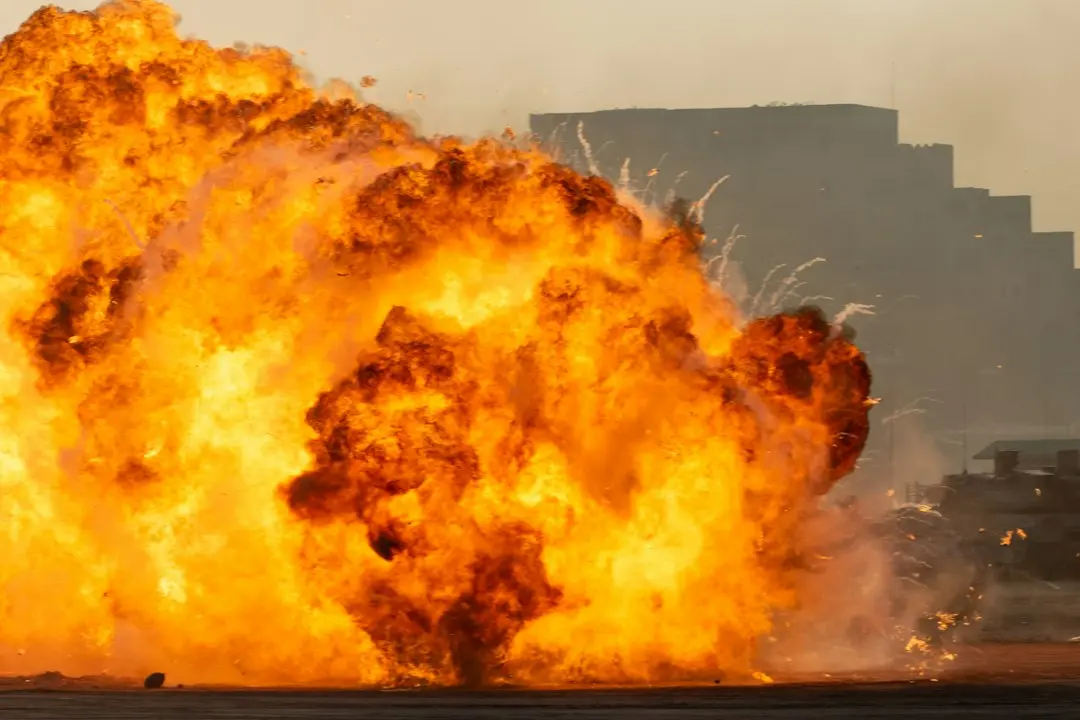 Trump Offered to Sell Weapons to China
 Tensions Rise in the Strait of Hormuz as OpenAI Halts Advanced Model Deployment
 Global Bond Yields Set to Rise Amid Washington-Tehran Impasse
The discussion centers on enhancing collective defense mechanisms. Officials are evaluating current gaps in readiness and interoperability. They seek to determine if existing structures suffice or if a new model is necessary. The agenda includes funding strategies and industrial collaboration. Ministers will review proposals for joint procurement and shared resources.
The push for greater autonomy stems from shifting global dynamics. European nations face pressure to reduce reliance on external partners for critical defense assets. This includes advanced technology and ammunition supplies. The ministers are exploring ways to boost domestic production capacity. They aim to create a resilient supply chain that can withstand future shocks.
Is a Unified Command Structure Viable?
Industrial stakeholders play a crucial role in this transition. Companies across the continent are working to standardize equipment. This standardization allows for easier sharing between national armies. It also lowers costs through economies of scale. The political goal is to ensure that Europe can act independently when needed.
A key point of contention remains command and control. Some advocates argue for a single operational headquarters. Others prefer a flexible alliance of national commands. The debate highlights the tension between sovereignty and efficiency. Ministers must balance national interests with collective goals.
Technical experts have presented data on current capabilities. Reports indicate that several member states still struggle with rapid deployment. Logistics remain a major bottleneck for cross-border operations. The meeting addresses these logistical hurdles directly. Solutions involve shared infrastructure and digital integration tools.
Frequently Asked Questions
The outcome of these talks will shape upcoming budget negotiations. A stronger defense framework could unlock new investment streams. It may also influence trade policies related to defense exports. The long-term vision is a more cohesive and capable European force.
Why are ministers focusing on a specific EU defense version? Leaders want to assess if current arrangements are sufficient. They seek to identify gaps that prevent effective collective action. This review aims to guide future policy decisions.
What role does industry play in these discussions? Defense companies provide essential input on production needs. Standardizing equipment helps reduce costs and improves compatibility. Industrial growth supports the broader strategic autonomy goals.