How Will This Change Defense Policy?
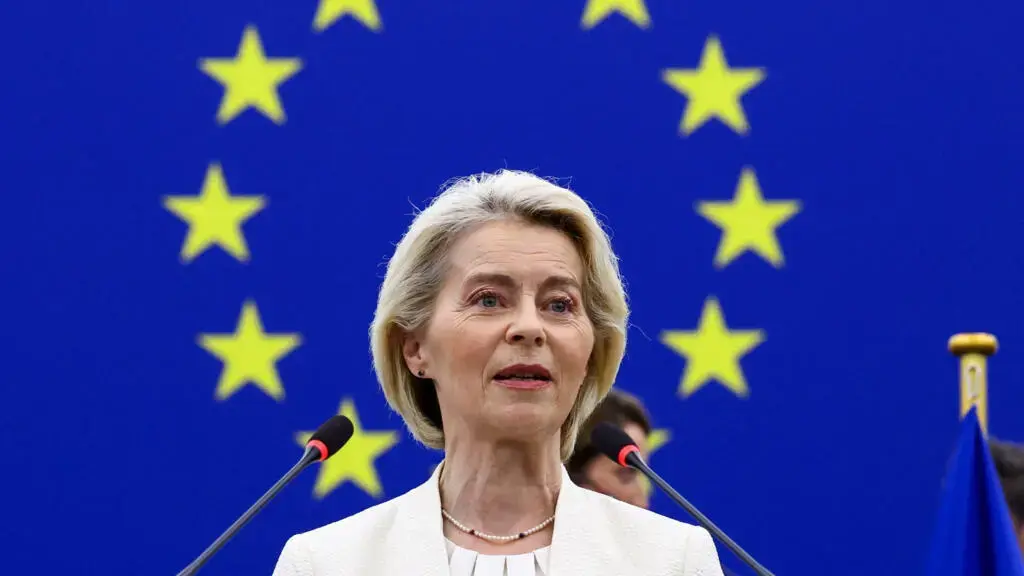
Ursula von der Leyen, the head of the European Commission, formally requested the establishment of a new European Security Council during her annual address. She delivered this proposal to the European Parliament in Strasbourg on Wednesday. The initiative aims to reshape how the continent handles defense and foreign policy coordination. This move signals a significant shift in the bloc’s strategic approach to regional stability.
Latest news
 Saudi Arabia Declares Mecca Attack Attempt a Red Line as Houthis Deny Involvement
 Surrey Oil Drilling Project Sold After Supreme Court Rejection
 Union leaders urge bold action for Labour leader
 Wildfire Crisis Deepens as Federal Firefighter Shortage Plagues Summer Season
The proposal envisions a council that would include member states from within the European Union. However, von der Leyen explicitly advocated for the inclusion of key partners such as Britain and Ukraine. This broader membership structure is designed to strengthen collective security mechanisms. By integrating non-EU nations into this framework, the bloc hopes to create a more unified front against emerging threats. The speech marked a pivotal moment in the ongoing debate about Europe’s autonomous defense capabilities.
The call for a wider council reflects growing pressure on the EU to act independently. Recent geopolitical tensions have highlighted gaps in current decision-making processes. Von der Leyen argued that a dedicated body would streamline responses to crises. Including Britain leverages its extensive military experience and intelligence networks. Ukraine’s participation acknowledges its central role in the current conflict. This structural change seeks to bridge the gap between political intent and operational reality. It provides a formal venue for regular dialogue among diverse stakeholders. The mechanism would allow for faster consensus building during emergencies. Critics may question the logistical challenges of adding non-member states to EU-led bodies. Yet, proponents argue that exclusion weakens the overall security architecture. The proposal aligns with broader efforts to reduce reliance on transatlantic partners.
Frequently Asked Questions
The introduction of a specific security council changes the institutional landscape significantly. Currently, security matters are often handled through ad-hoc meetings or existing foreign affairs councils. A standing body implies continuous engagement rather than reactive measures. Von der Leyen emphasized that this structure supports a robust partnership with Canada. This North American alliance complements the European security focus. The dual emphasis on intra-European cooperation and transatlantic ties creates a layered defense strategy. The new council would likely oversee joint exercises, funding allocation, and threat assessments. It could also facilitate the sharing of critical resources among participating nations. This approach moves beyond traditional diplomatic channels into operational coordination. The success of this model depends on the willingness of all parties to cede some autonomy. It requires trust and consistent communication across borders.
Which countries are included in the proposed council? The proposal includes European Union member states. It also specifically invites Britain and Ukraine to participate. This inclusive model aims to maximize collective security strength.
When was this proposal announced? Ursula von der Leyen presented the idea during her State of the Union speech. The address took place in Strasbourg on Wednesday. This timing coincides with increased scrutiny of European defense readiness.