UN Intervention and Call
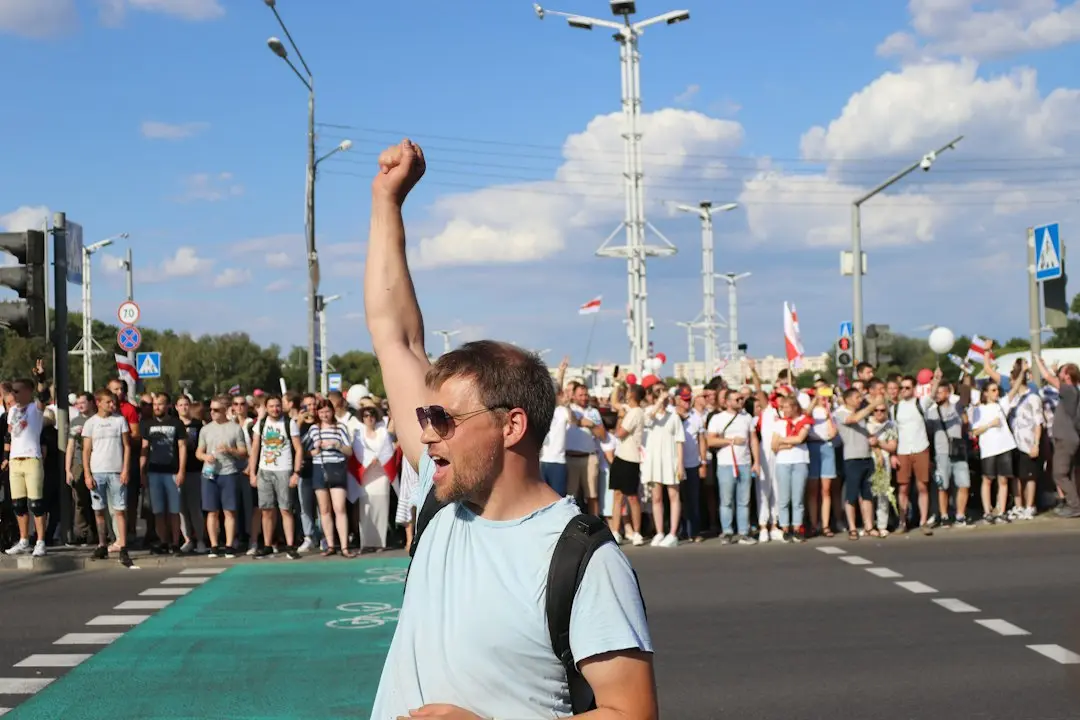
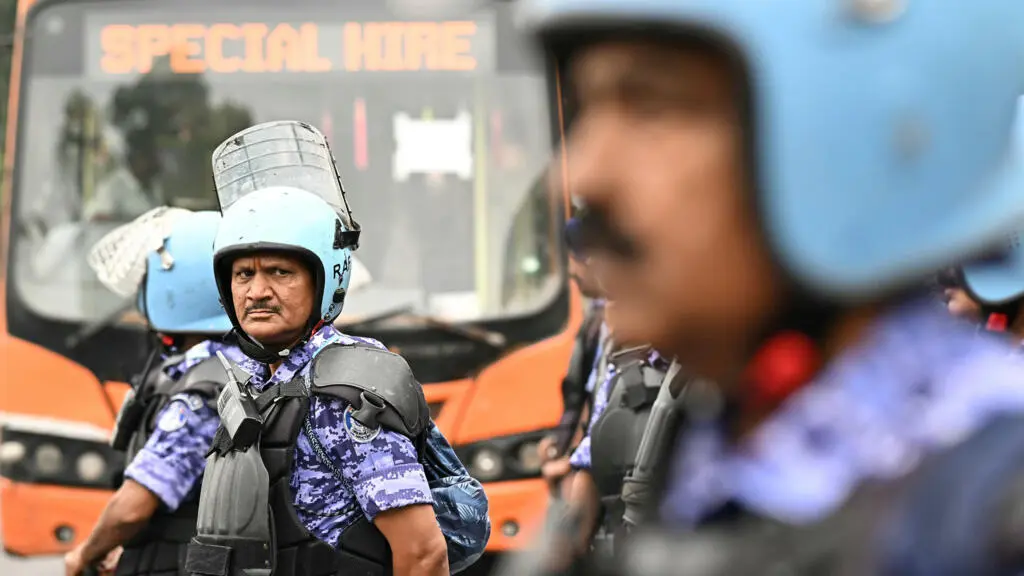
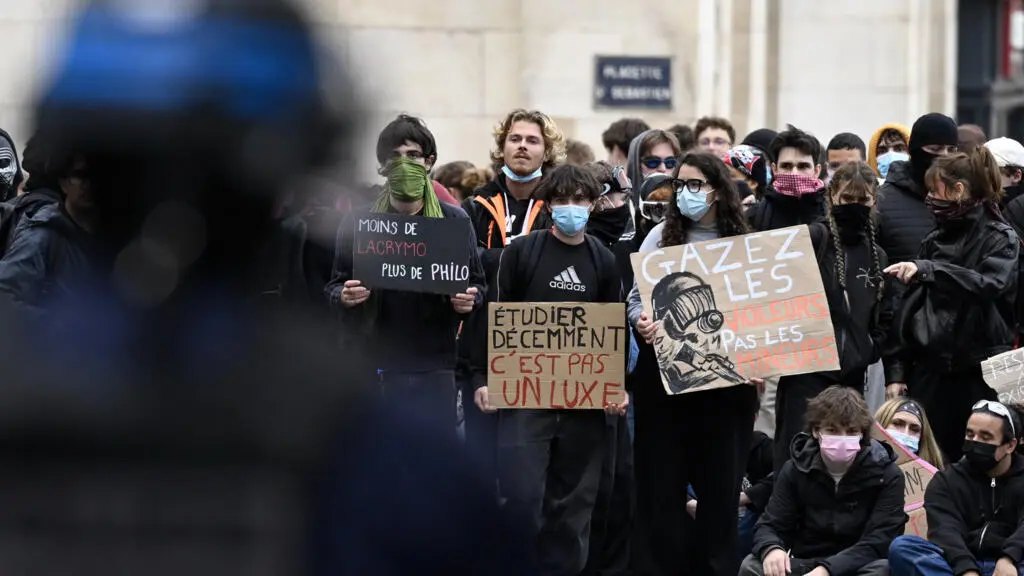
Thousands of students, many aged 15 to 18, have dominated streets across French cities, blocking school entrances and demanding major reforms to the education system. Police forces were mobilised en masse, and riot units were dispatched to the scenes. The ministries of justice and education reported that since the start of the protests, over 6,800 people have been arrested, 86% of whom are minors, according to the justice ministry’s Friday data. A source stated that the costs of damage caused by the protests are at least €30 million. Despite these alarming figures, the government said the movement had slowed significantly and that most injuries were not directly caused by police actions but rather by accidents during the protests. Students and youth organisations, however, have not given up their demands.
Latest news
 Iranian Leadership Condemns Rubio's Historic Athens Speech
 The FBI Pressures Iranian-American Scholar
 Trump Slams Nobel Peace Prize Snub With Eight-War Claim
 Silicon Valley Tech Leaders Welcome Light-Touch Approach
Violence and Police Response
On Friday, UN representatives expressed „concern” over violent incidents that occurred during the school blockades in France. Shabia Mantoo, UN human‑rights spokesperson, said that the events are viewed „with concern” and urged all parties to maintain peace. The organisation called for tolerance and dialogue, stressing that violence cannot be justified amid the legitimate demands of youth for adequate educational conditions.
While most protests remained peaceful, reports emerged of fires set by demonstrators and vandalism behind bus stops. Police used tear gas, batons, and stun grenades, prompting accusations from human‑rights groups and the youth themselves of excessive force. After an incident where a 15‑year‑old lost a hand to a police stun grenade, the government suspended the use of that weapon. Police opened 18 internal investigations into alleged abuse of power.
Students’ Reactions and Future Plans
Despite the government’s claim of a slowdown, students are not inclined to withdraw. A 16‑year‑old from Toulouse said, „We’re saving energy for next week,” indicating plans for a new protest peak at the start of the following week. Alice, a high‑schooler from Marseille, said the education minister’s statements are only a first step and insufficient to meet students’ demands.
School Conditions and Learning Environment
Beyond public protests, French students face significant problems in the education system: teacher shortages, overloaded programmes, deteriorating classrooms, and buildings that cannot withstand high temperatures. Key issues include: - Excessive heat: In summer, classrooms become unusable due to high temperatures, affecting learning. - Insufficient resources: Lack of adequate teaching materials and qualified staff worsens the situation. - Deteriorated infrastructure: School buildings need major repairs to ensure a safe and functional learning environment.
These conditions fuel the youth’s demand for substantial change, keeping protests central in Western Europe.
Conclusion
Although the protest movement appears to have slowed, students and organisers remain determined to continue their fight for better educational conditions. While the government and the UN monitor developments, most protesters are preparing for another round of mobilisation, hoping their voices will be heard and changes implemented in time.