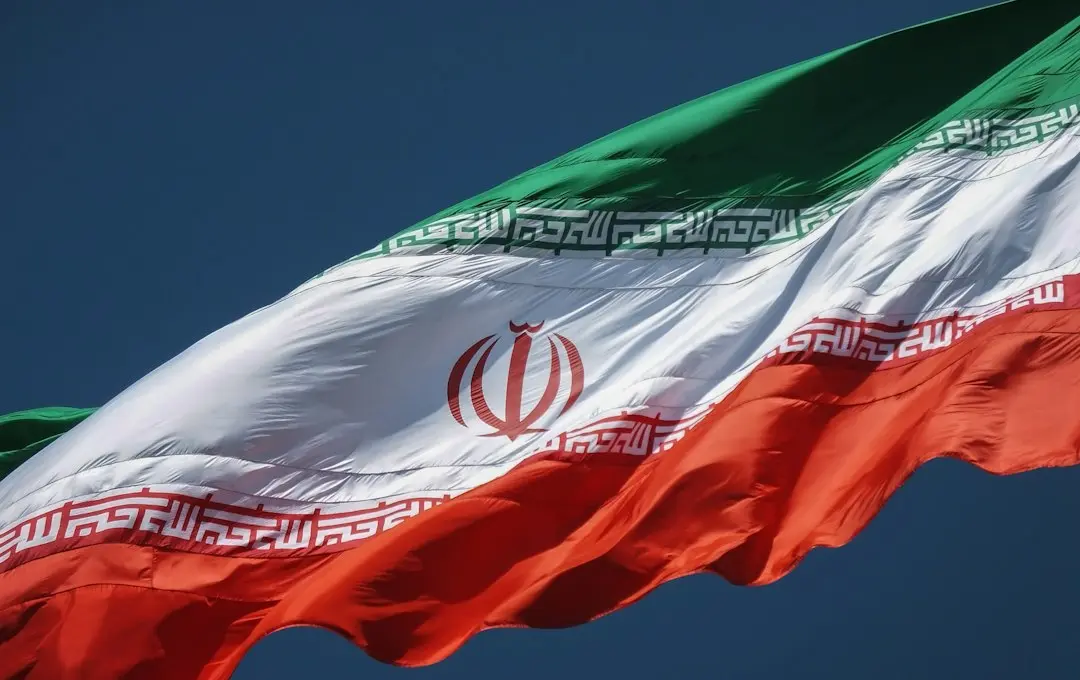
New Attack Methods Targeting Commercial Shipping
A report says Iran is changing its approach to attacks on ships in the Strait of Hormuz, aiming to keep oil prices high and influence the U. S. midterm elections. Two senior Iranian officials told Reuters that the new strategy will be used before the American polls, though they declined to give specifics.
Latest news
 President Calls for Restraint in US-Iran Deal
 Rekindling a War: Netanyahu Urges Trump to Act on Iran Before Election
 Cairo to Host Palestinian Groups for Unity and Election Talks
 India's Cockroach Movement Leaders Remanded in Judicial Custody
The officials said the shift is part of a broader effort to pressure global markets and create uncertainty for U. S. voters. They emphasized that the change is tactical, not strategic, and that it will be employed only in the short term.
The report notes that Iran will use a combination of unmanned surface vessels and cyber‑based jamming to disrupt maritime traffic. Officials said the new approach will focus on smaller, less‑protected vessels that carry crude oil. They also mentioned that the tactics will be coordinated with cyber‑operations to disable navigation systems temporarily.
Will the U. S. Respond With Military Force?
Iran’s Ministry of Defense has previously warned that it could target shipping lanes if U. S. forces intervene in the region. The new tactics are seen as a way to increase the cost of shipping without provoking a full‑scale military response. Analysts suggest that the timing is designed to coincide with the U. S. midterm elections, where energy policy is a key issue.
The officials declined to confirm whether the U. S. would react militarily. They said that any response would be measured and proportional to the threat level. The report indicates that Iran is aware of the U. S. naval presence in the Gulf and is attempting to avoid direct confrontation while still exerting economic pressure.
Experts say the new tactics could raise insurance premiums for shipping companies and increase the price of crude oil on the global market. If oil prices rise, it could affect the U. S. economy and voter sentiment in key swing states. The officials also hinted that Iran’s actions are part of a broader strategy to influence U. S. political outcomes.
Potential Impact on Global Oil Markets
The shift in tactics could lead to a temporary spike in oil prices as shipping routes become less secure. The report estimates that a 5‑10% increase in shipping costs could translate into a 1‑2% rise in global oil prices. This would affect gasoline and heating costs worldwide, potentially influencing consumer confidence and election campaigns.
The officials also warned that the new approach could create a ripple effect, prompting other regional actors to adopt similar tactics. They said that the goal is to destabilize the status quo and create a bargaining position for Iran in future negotiations.
Frequently Asked Questions
What is Iran’s main objective with the new tactics? Iran aims to keep oil prices high and influence U. S. midterm elections by creating uncertainty in global markets.
Will the U. S. military intervene? Officials said any response would be measured and proportional, but they did not confirm a specific military action.
How could this affect U. S. voters? Higher oil prices could impact consumer spending and fuel political debate on energy policy, potentially influencing swing-state outcomes.