Leveraging Military Deterrence for Diplomatic Leverage
Parliament Speaker Mohammad Bagher Ghalibaf declared on Sunday that Iran must simultaneously engage in combat and diplomatic negotiations. Addressing lawmakers in Tehran, he emphasized that the country faces a prolonged confrontation with the United States. This dual approach aims to preserve national interests while navigating the current geopolitical crisis.
Latest news
 Meloni Announces Veil Ban in Schools and Caps on Foreign Students
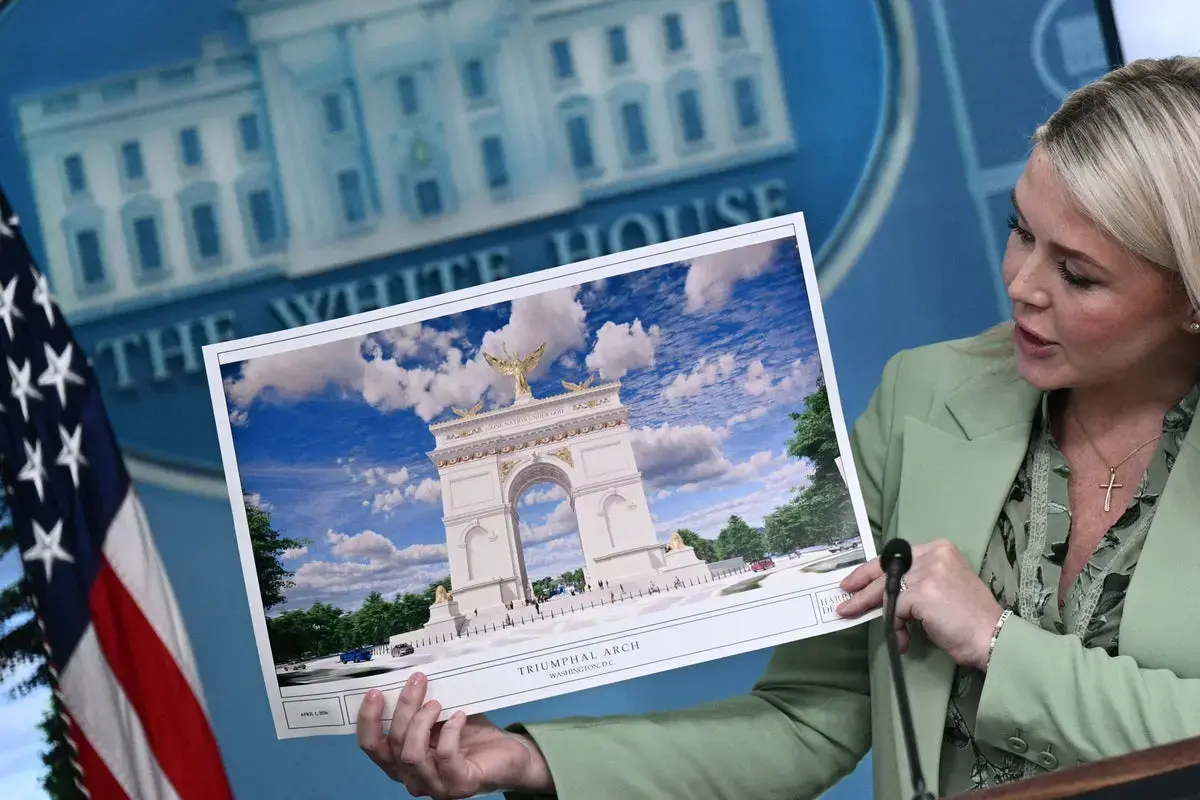 Trump Announces 250‑Foot Arch to Become Drone and Sniper Facility
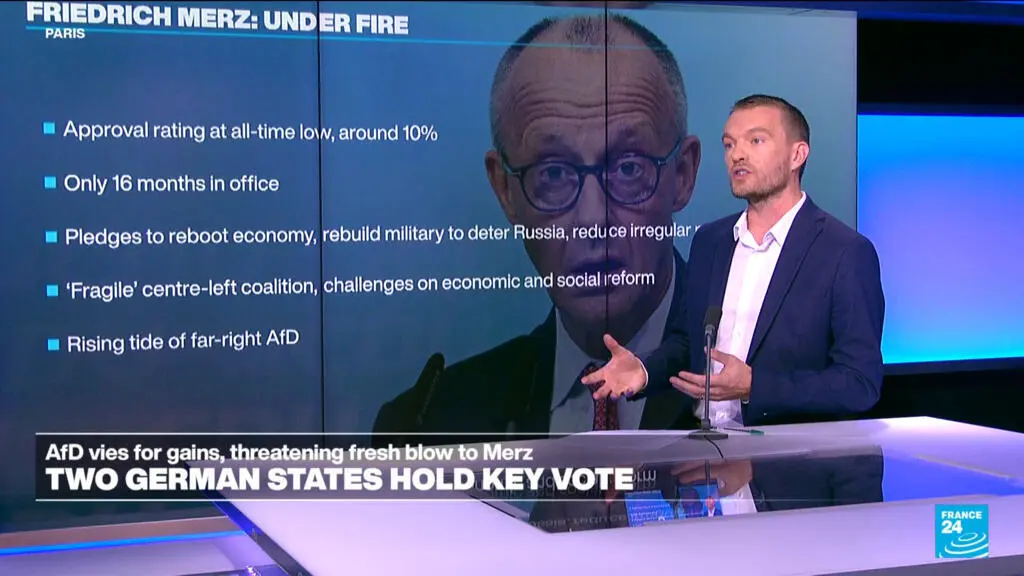 German Regional Elections Pose Fresh Challenge for Opposition Leader Friedrich Merz
 Trump Reveals Dual Purpose for Planned Triumphal Arch
Ghalibaf stated that Iran intends to leverage its military capabilities to deter American influence. He argued that demonstrating strength is essential to push back against adversaries and inflict significant setbacks. By combining aggressive defense with strategic dialogue, Tehran hopes to manage the mounting pressures of the ongoing conflict.
The speaker underscored that military readiness remains a core pillar of Iran’s foreign policy. He suggested that the enemy will only retreat when confronted with a credible threat of force. This stance reflects a hardening position within the Iranian government as the standoff reaches its seventh month.
Can Tehran Successfully Balance Confrontation and Diplomacy?
Negotiations are viewed not as a sign of weakness, but as a calculated mechanism to secure better terms. Ghalibaf insisted that the state must remain vigilant on the battlefield while keeping communication channels open. This strategy is designed to exhaust the opposition while maintaining Iran's regional standing.
The effectiveness of this hybrid policy remains a subject of intense debate among regional analysts. Critics worry that escalating military rhetoric could inadvertently derail potential diplomatic breakthroughs. Meanwhile, supporters believe that a show of force is the only way to ensure the United States takes Iranian demands seriously.
Frequently Asked Questions
As the situation evolves, the international community watches closely for signs of de-escalation. The success of this dual-track approach depends on Tehran’s ability to calibrate its military responses without triggering a wider war. The coming months will determine if this aggressive diplomatic posture can yield tangible results for the Islamic Republic.
What is the core of Ghalibaf’s proposed strategy? Ghalibaf advocates for a dual strategy that combines military resistance with active diplomatic negotiations. He believes this approach forces the adversary to respect Iran's position while protecting the nation's interests.
Why does Iran believe it needs to use military force now? The government argues that military strength is necessary to deter American pressure. By demonstrating a capability to push back, they hope to gain more leverage at the negotiating table.