The human cost behind the statistics
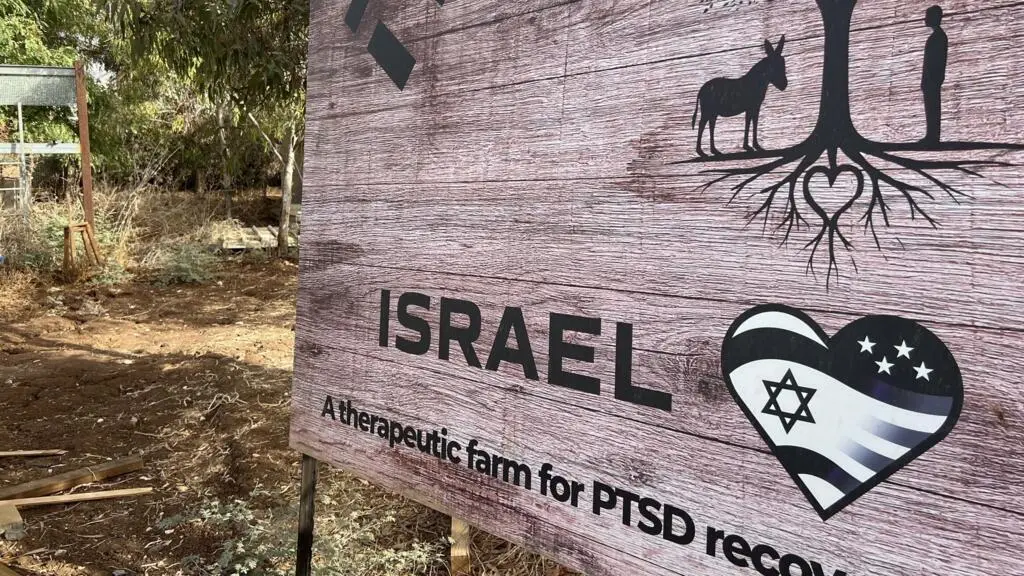
After over three years of continuous conflict, thousands of Israeli soldiers return home bearing psychological scars that are increasingly influencing the country's political discourse ahead of upcoming elections. The mounting toll of post-traumatic stress disorder among veterans of operations in Gaza and Lebanon has created a silent crisis that politicians can no longer ignore.
Latest news
 Concerns Mount Over Potential Interference in Alaska Election Results
 Brazil Faces Pivotal Choice in High-Stakes Presidential Runoff
 Rising Diesel Costs Threaten Iowa Republican Midterm Prospects
 Trump Eases Tariffs to Aid Maine Senator
Military mental health services report a sharp rise in PTSD cases, with many former combatants struggling to reintegrate into civilian life. The trauma extends beyond active duty personnel, affecting families and communities nationwide. Veterans describe nightmares, hypervigilance, and emotional numbness long after leaving the battlefield.
Specialist treatment centers across Israel are overwhelmed as more soldiers seek help for combat-related trauma. Dr. Sarah Cohen, a military psychologist, notes that the stigma surrounding mental health has slowly begun to fade, encouraging more veterans to come forward. „The phrase ' I killed lots of terrorists, but it didn’t make me feel better' captures a deep sense of emptiness many feel,”she explains.
Can politics address a psychological pandemic?
Government data shows that suicide rates among veterans have climbed steadily, prompting emergency funding for expanded counseling programs. Meanwhile, advocacy groups are pushing for better long-term support, arguing that current resources remain insufficient.
As election campaigns heat up, several parties have made veteran welfare a central plank of their platforms. Critics question whether political promises can truly heal wounds that require years of therapy and community support. The challenge lies in translating compassion into concrete policy without exploiting personal suffering for votes.
The intersection of trauma and politics raises difficult questions about responsibility, memory, and healing. With no clear timeline for recovery, both individuals and institutions face an uncertain future.
Frequently Asked Questions
What is driving the increase in PTSD among Israeli veterans? The prolonged nature of recent conflicts, combined with repeated deployments, has intensified exposure to life-threatening situations. Many soldiers also report inadequate preparation for the psychological aftermath of combat.
How are political parties responding to veteran trauma? Several parties have pledged increased funding for mental health services and job training programs. However, mental health professionals caution that legislative change alone cannot replace sustained individual care.
What support exists for families affected by veteran PTSD? Community organizations provide counseling and financial assistance, but gaps remain in long-term support. Families often struggle with secondary trauma and limited access to specialized resources.